Stand on Breedestraat for ten minutes and count the languages. A shopkeeper greets a regular in Papiamentu, switches to Dutch for a visitor with an Amsterdam accent, sells a cruise passenger postcards in English, and calls across the lane in Spanish to the fruit seller. Nobody pauses. Nobody translates. This is simply how Curaçao talks, and it is one of the most quietly impressive things about the island.
For the traveler, the practical news is excellent: English will carry you everywhere. But knowing what you are hearing makes the island richer, so here is the story of its four voices.
I.The short answer
Curaçao speaks Papiamentu, Dutch, English, and Spanish, all of them daily and most of them interchangeably. Papiamentu is the mother tongue, the language of home, humor, and music. Dutch is the formal thread of government, law, and schooling. English is fluent throughout tourism and commerce. Spanish flows from the South American coast, 40 miles away. Most islanders move between three or four of these without thinking, often inside a single conversation.
Four languages share one small island, and most residents glide between them in a single sentence.
II.Papiamentu: the language the island thinks in
The island's mother tongue is a creole, born centuries ago in the meeting of Portuguese, Spanish, Dutch, and West African languages along the trade routes that ran through this harbor. Out of necessity came invention, and out of invention came a language with its own grammar, its own spelling, its own poetry. Papiamentu is not a dialect of anything. It is the language families speak at dinner, the language of radio hosts and song lyrics, the language children learn to read in school alongside Dutch.
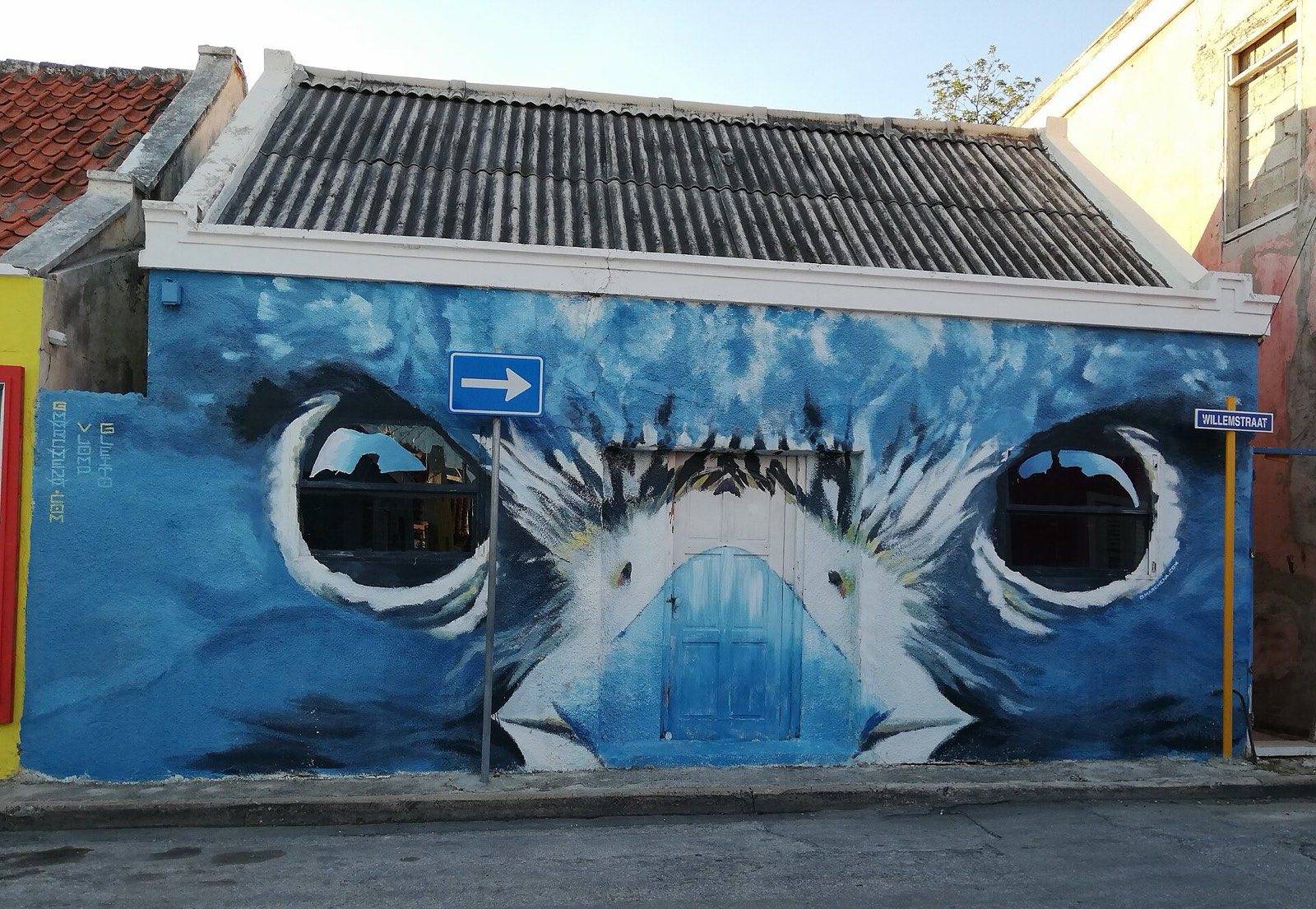
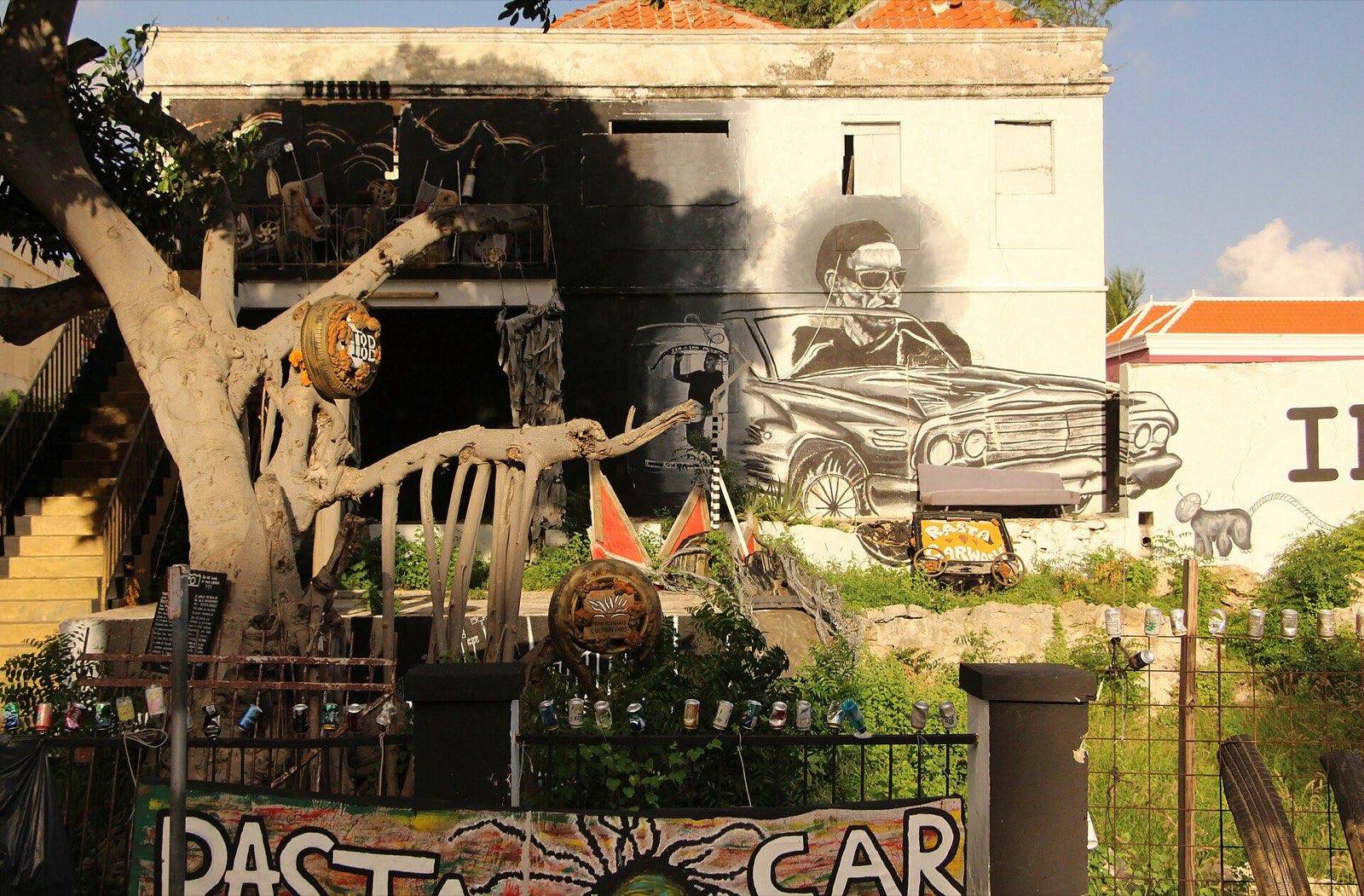
You will hear its music before you understand a word: rhythmic, vowel-bright, affectionate. And you will see it written across the island, on signs and in the murals of Otrobanda and Scharloo, where the island paints its own voice on its own walls.
III.Dutch: the official thread
Curaçao is a constituent country within the Kingdom of the Netherlands, and Dutch has run through its institutions since the founding of Punda in 1634. It remains the language of law, administration, and much of formal education, which is why official signage reads like Amsterdam while the street sounds like the Caribbean. The Dutch presence is also human: residents, students, and a steady stream of visitors from the European Netherlands keep the language alive in cafes as well as courtrooms. For travelers, Dutch mostly appears as a pleasant layer of atmosphere, on gables, menus, and street names that end in straat. It also explains a practical perk: the island's service culture was raised on European visitors, so standards of clarity, signage, and multilingual patience run unusually high for a small island.
IV.English and Spanish: the everyday bridges
English is the language of the island's front door. Tourism runs on it, schools teach it, and visitors will conduct an entire vacation in it without a hitch, from check-in to the last beach bar. Curaçao is among the easiest non-English-speaking countries on earth to travel in English, because functionally it is an English-speaking country too.
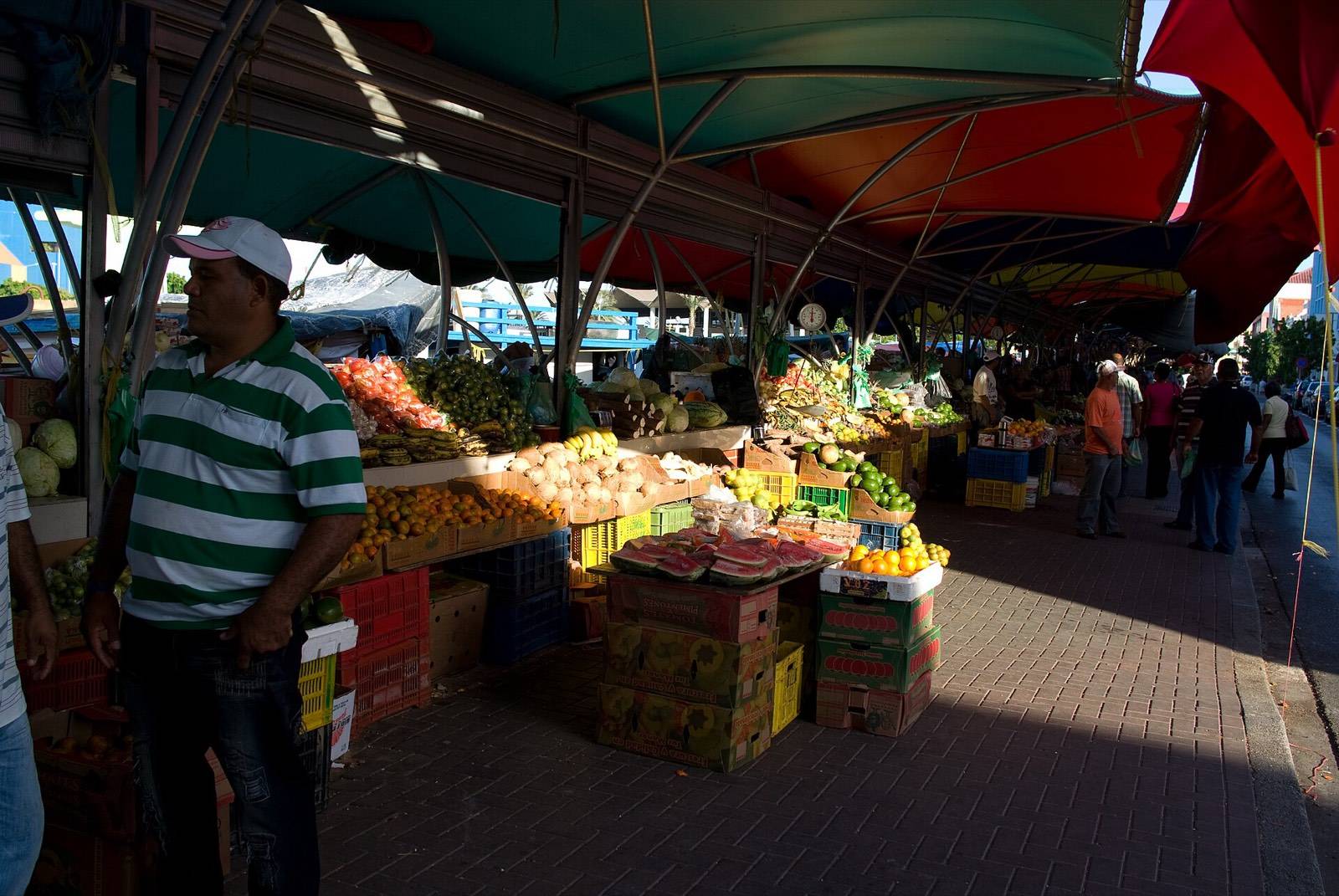
Spanish is the language of proximity. Venezuela sits just over the horizon, and generations of trade, family, and migration have made Spanish a true local language rather than a foreign one. You will hear it at the Floating Market, where produce boats from the mainland have moored for generations, and across the lunch counters of Punda. Spanish-speaking visitors are often startled by how at home they sound here. Hungry students of either language will find the market stalls and old kitchens, mapped in our Curaçao food guide, the best classrooms on the island.
V.Four words worth learning
You need zero local words to thrive here, which is exactly why offering a few lands so well. These four carry you a long way:
- Bon biní, meaning welcome. The island's signature greeting; you will be on the receiving end of it within minutes of arriving, often before you reach the front desk.
- Dushi, meaning sweet, lovely, delightful. The most beloved word on the island, applied with equal sincerity to food, people, music, and life in general.
- Masha danki, meaning thank you. The phrase that repays every kindness, and the one locals visibly light up at hearing from a visitor.
- Kòrsou, the island's own name for itself in its own tongue. Using it, even once, is a small and sincere form of respect.
VI.Will you be fine with only English?
Completely. Menus come in English or arrive with cheerful translation, tours and dive briefings run in it, and every hotel desk handles it natively; at our 1892 monument in Punda, the desk slides between four languages before morning bite. The only places English thins out are the most local corners, a fish shack at the far west end or a domino table deep in a neighborhood, and there a smile, a pointed finger, and patience complete every transaction ever attempted. Treat the language gap, where it exists at all, as part of the charm rather than a problem to solve.
VII.Where to hear the island speak
Language is Curaçao's best free attraction, if you know where to listen. Take lunch at Plasa Bieu, the old covered market, where orders fly in Papiamentu and Spanish over the clatter of plates; the things to do in Punda guide puts it on your route. Wander the Floating Market mid-morning for bilingual bargaining at full volume. Come back on a Thursday evening, when the weekly Punda Vibes celebration sets the whole quarter to music, and notice how the crowd sings along in a language most visitors cannot name.
By your last day you will catch yourself using dushi without irony, and you will have learned the real lesson of this four-tongued island: Curaçao has never met a language it could not make its own, including, within about three days, yours.
Questions travelers ask
Straight answers from the front desk.
Do they speak English in Curaçao?
What is Papiamentu?
Is Spanish spoken in Curaçao?
Why do people in Curaçao speak Dutch?
What does dushi mean?
Keep exploring
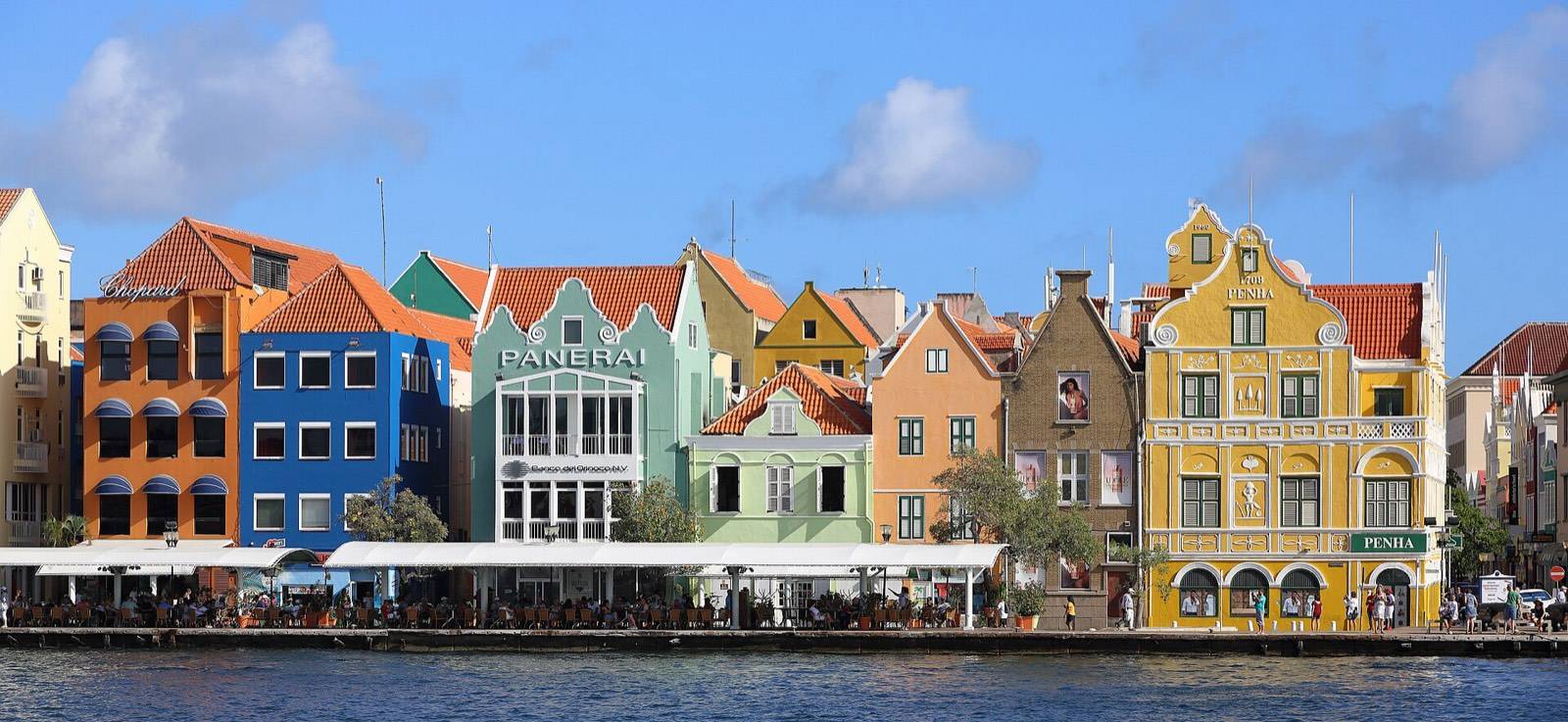
Curaçao travel FAQ: every question, answered straight
Curaçao travel questions answered fast: money, entry rules, rental cars, beach fees, turtles, language, and…
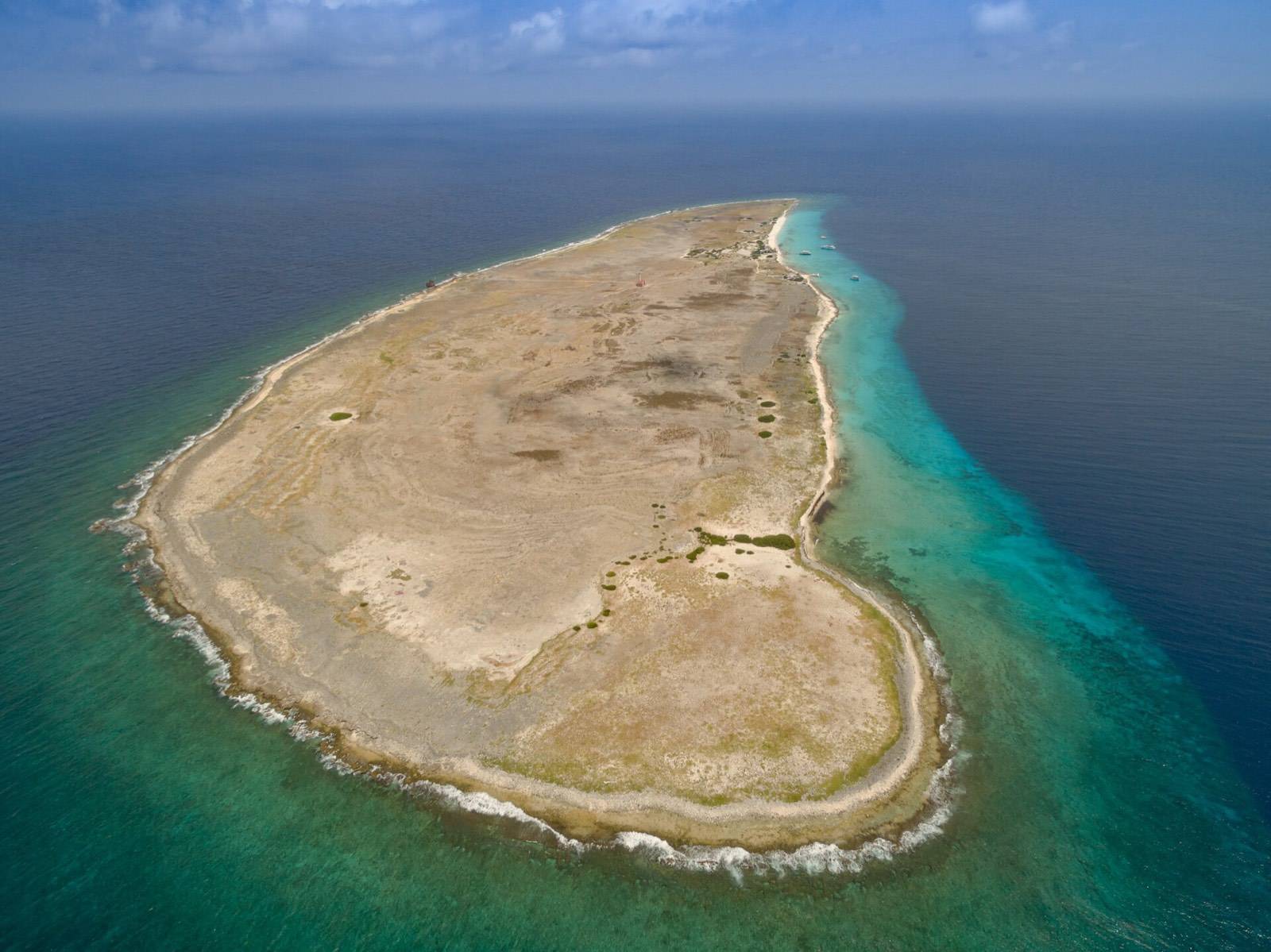
Where is Curaçao? Geography, time zone and how to get here
Where is Curaçao located? Southern Caribbean geography explained: the ABC islands, 40 miles off Venezuela…
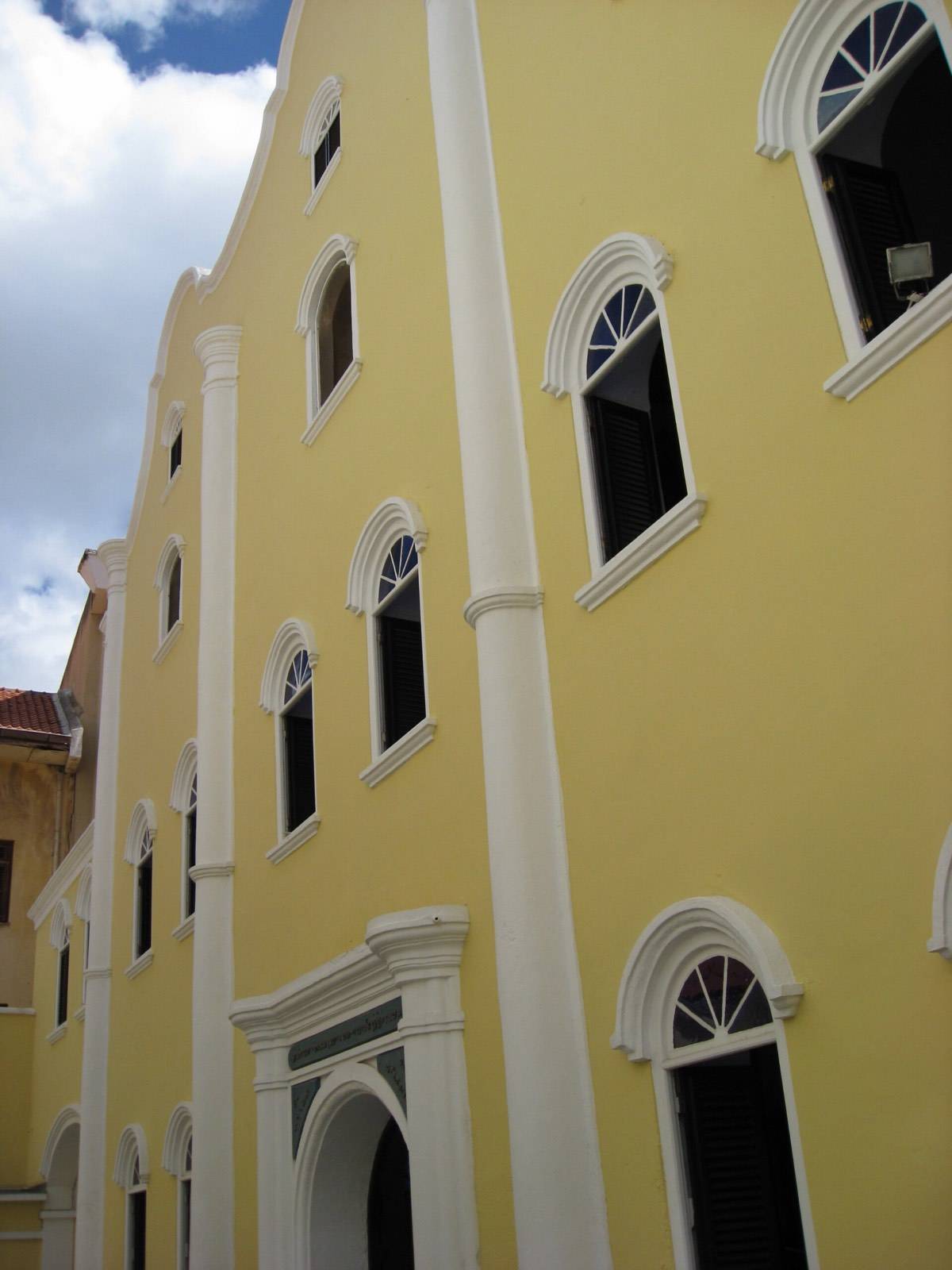
Curaçao culture: language, memory, music, and how to be a good guest
A guide to Curaçao culture: Papiamentu, the sand-floor synagogue, the landhuizen and the memory of Tula…
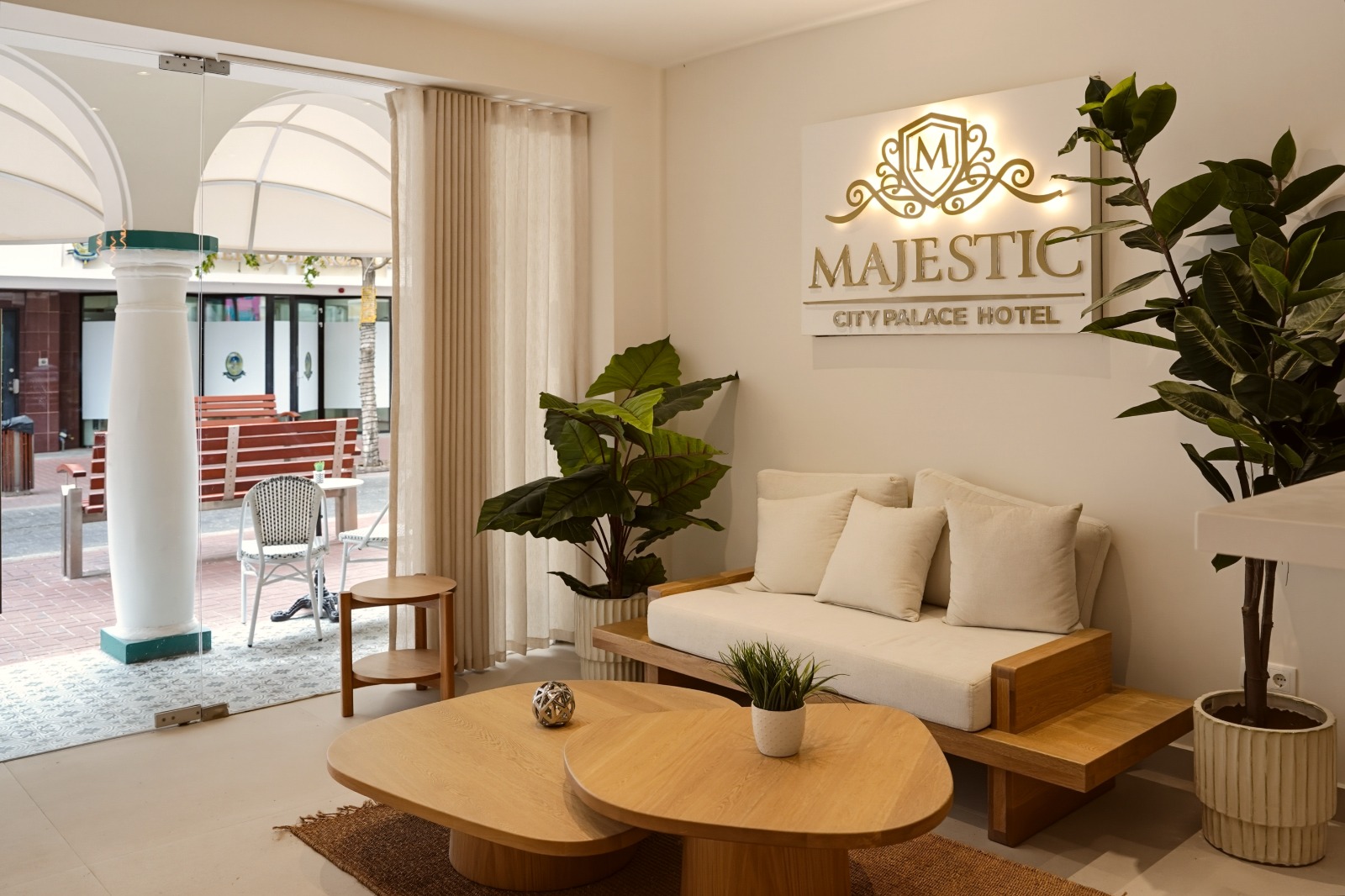
A restored 1892 monument, steps from everything in this guide.
Eighteen boutique rooms across five categories on Breedestraat, Punda. Signature balconies over the main street, and the Van Gogh café pouring espresso downstairs. Reserve your room on Airbnb in a few taps.