
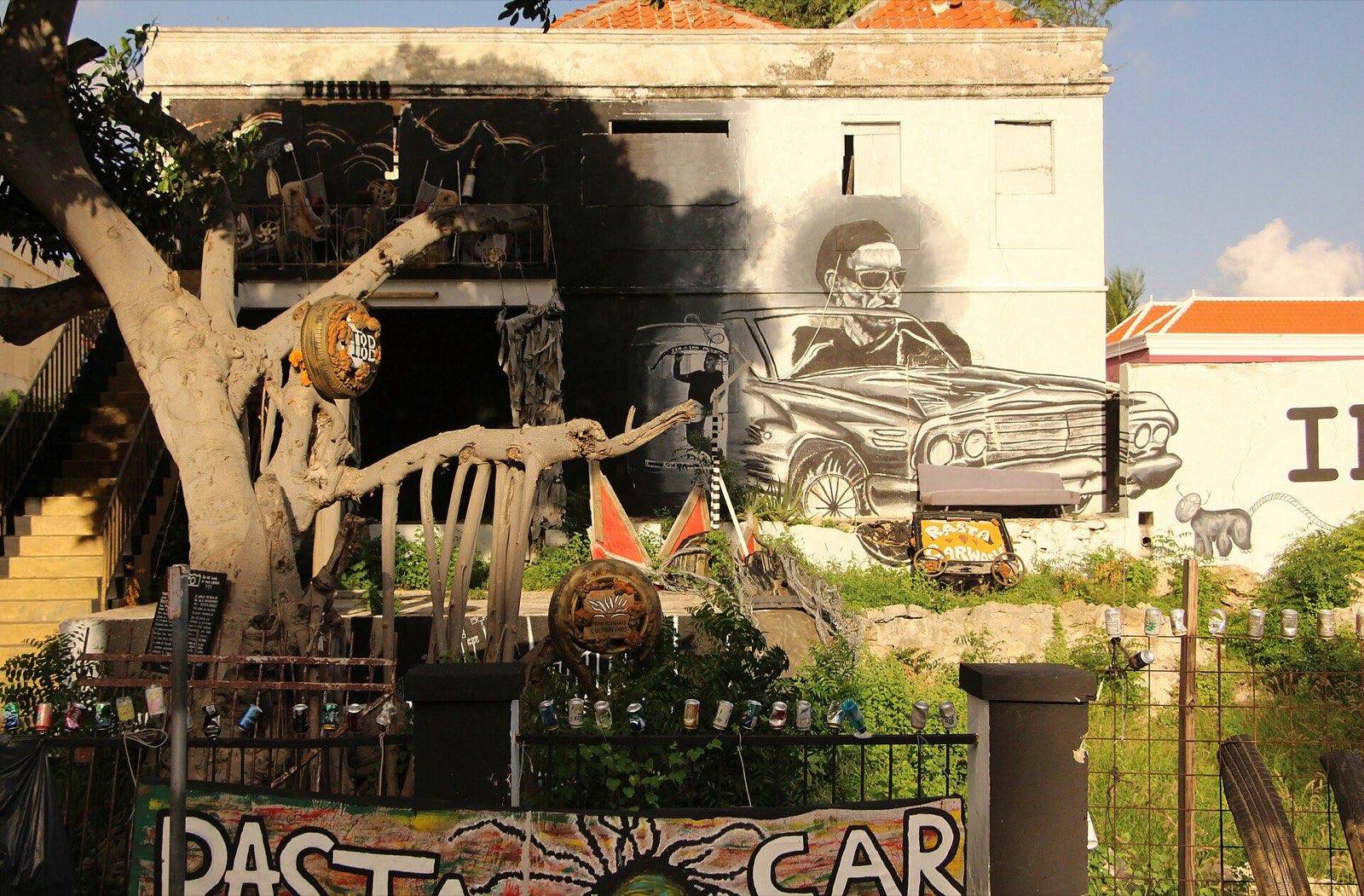
The UNESCO inscription protects Willemstad's gables, but paint is what keeps the city talking. Over years of community festivals and neighborly persuasion, two districts on either side of the water have turned their walls into the most generous art collection in the southern Caribbean: free, unfenced, always open, and changing just slowly enough to reward a return trip.
One district is ours. The murals of Otrobanda begin a few minutes from our door, and watching visitors discover them, map-less and delighted, is one of the quiet pleasures of living on this bank. This guide covers both districts, how they came to be painted, and how to see them the way the painters intended.
I.How a port city became a gallery
None of this happened by decree. It happened block by block, through community mural festivals, most famously the Kaya Kaya street festival in Otrobanda, which paints houses and throws a party in the same gesture, and through the steady revival of Scharloo as a creative district. Residents lend their walls; artists, local and visiting, repay the loan in color; and streets that the island had half forgotten became destinations again. The festivals bring more than paint: cleanup crews, music, food and a weekend of the whole neighborhood out of doors. The murals are what remains when the speakers are packed away, which is why locals treat them less as decoration and more as memory.
That origin matters when you visit. These are not commissioned decorations in a shopping district. They are a neighborhood's self-portrait, painted with the neighbors watching, and the best way to see them is the way they were made: on foot, at street level, with time to spare.
The UNESCO listing preserved the city's bones. The murals keep its pulse.
II.Otrobanda: art in the alleys
Start at the bridge and drift inland. Otrobanda has no grid, which means the murals are not arranged for you; they ambush. A gable end carries a portrait three stories tall. A courtyard wall hides a riot of color behind a parked truck. The deeper you wander into the lanes and werfs, the better the finds get, and the route refuses to be the same twice. Look low as well as high: some of the wittiest pieces hide at knee height, on steps, shutters and utility boxes.
Give it an hour, accept the wrong turns as part of the medium, and pair it with the rest of the quarter using our guide to things to do in Otrobanda. The fort, the cafes and the walls share the same streets.
III.Scharloo Abou: the mural blocks
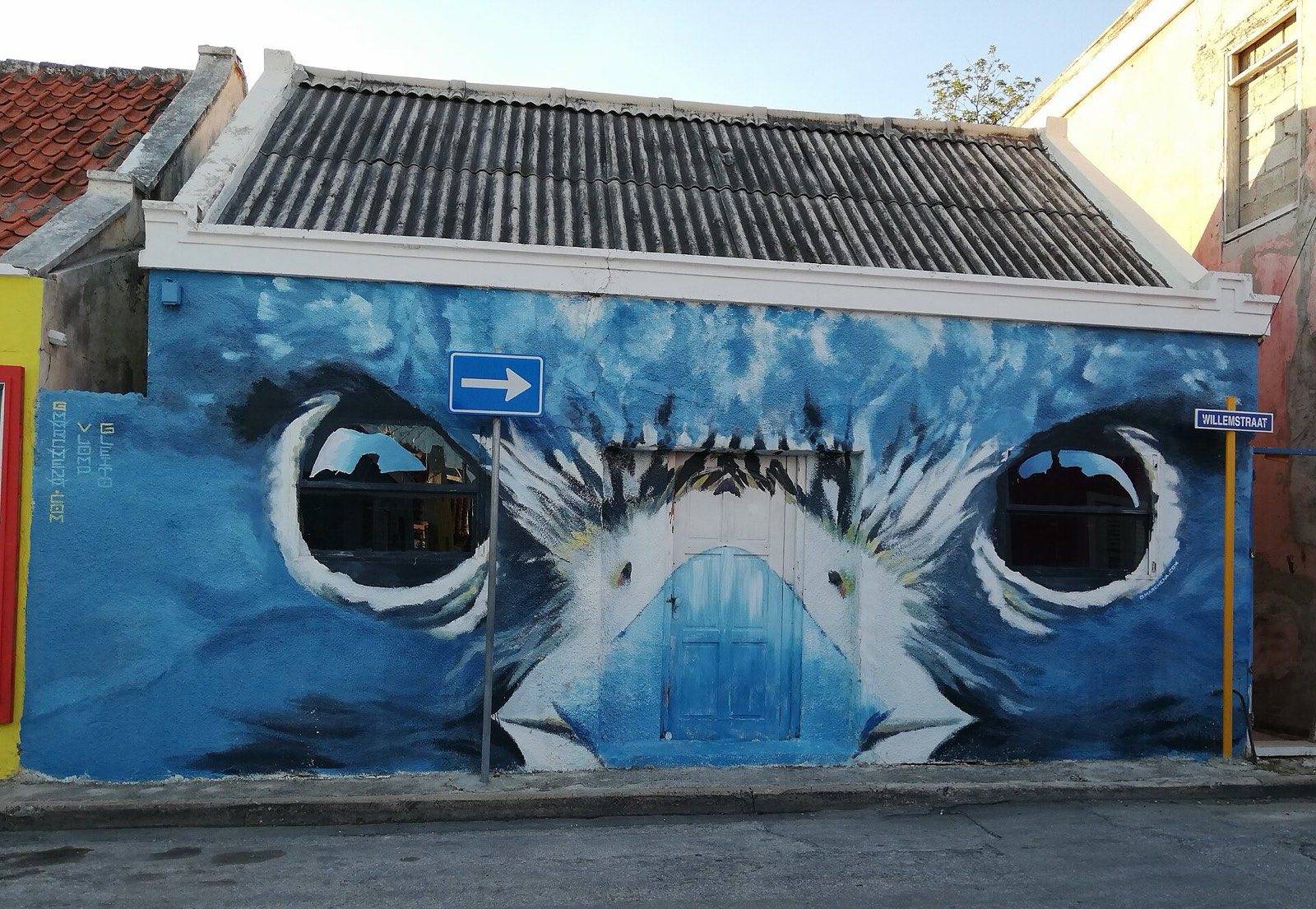
Across the water, a short walk northeast of Punda, Scharloo tells a different chapter of the same story. This was the merchants' quarter, all pastel mansions and ambition, and its lower stretch, Scharloo Abou, has grown into the island's most concentrated mural district: long warehouse walls, painted full-block pieces, and side streets where nearly every surface has been claimed.
Because the buildings are bigger here, so is the work. This is where you find the murals that need thirty steps of reverse to fit in a photograph, alongside small studios and creative spaces that open and close on their own friendly schedules. It connects naturally to a Punda morning; the walk over takes a few minutes. Bring water; the warehouse blocks offer long walls and short shade.
IV.The artists
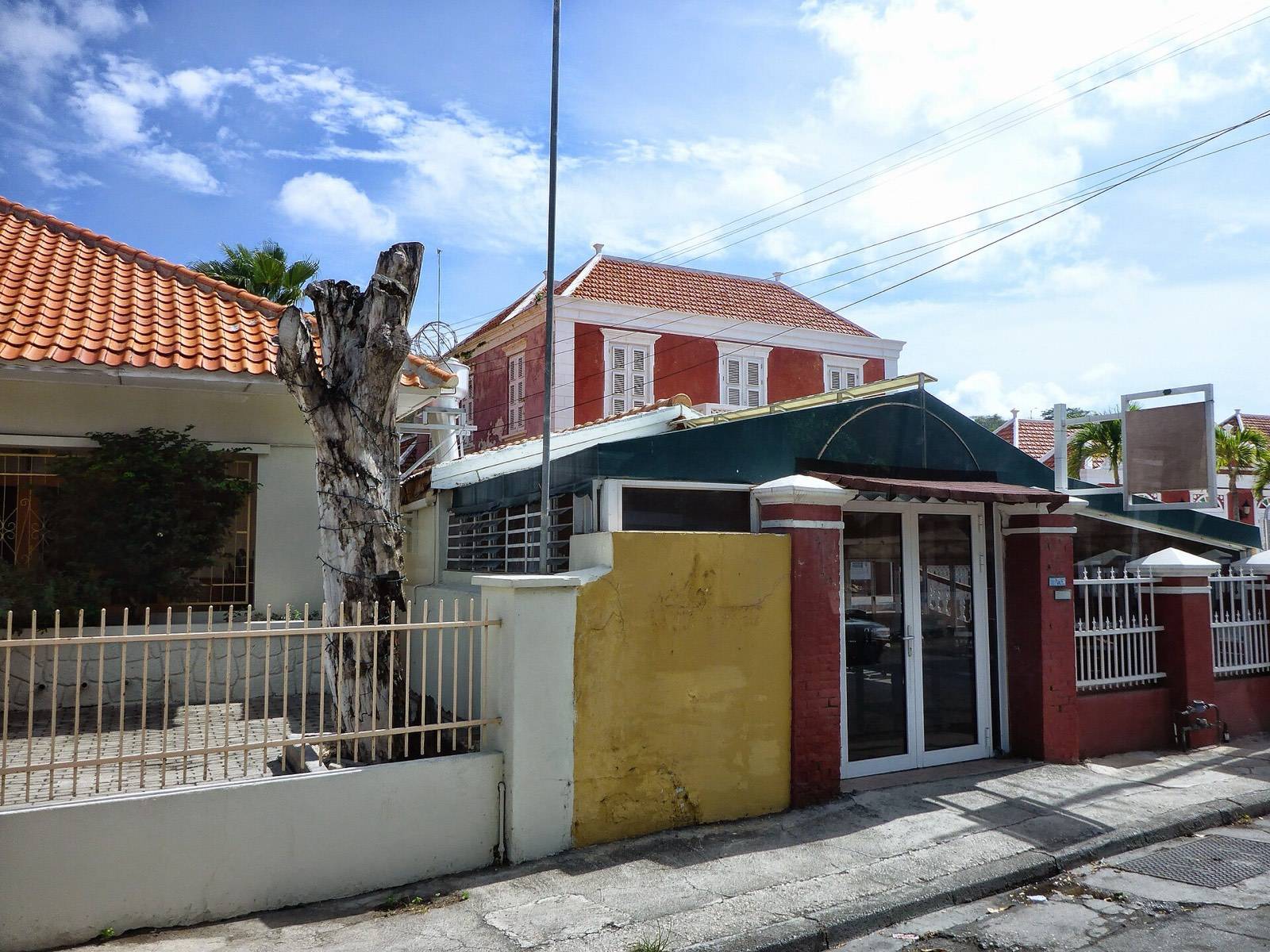
Some names belong to the island canon. Garick Marchena's enormous portraits, faces rendered with a tenderness that stops conversation, are among the most recognized walls in the city, and a wider circle of Curaçaoan painters works alongside invited artists from across the world during festival seasons.
But resist the urge to make it a name-checking exercise. Many of the strongest walls are collaborative, anonymous or signed only with a tag you will never decode, and the collection works as a chorus rather than a series of solos. The right question in front of a great wall is not who, but how long did this take, and what was here before.
V.Best light, best route
Morning wins everything here: cooler air, angled light that gives the paint its depth, quiet streets, and shadows that have not yet flattened into noon. Photographers should treat the two districts as separate sessions, Otrobanda one morning and Scharloo another, or run them back to back across one long morning with a coffee stop in Punda between.
If you prefer structure to drift, our Willemstad walking tour passes the edge of both districts and shows where to peel off. Count on about two hours to do both justice, more if you photograph seriously. If you have only one morning, choose Scharloo for scale or Otrobanda for atmosphere, and promise yourself the other on a return trip.
VI.Photograph like a guest
The murals are public; the lives behind them are not. People live and work behind these walls, so keep to the street, do not block doorways or driveways for the sake of a composition, and ask before photographing residents, especially children. Early morning shoots call for early morning voices.
The same courtesy extends to the art itself: enjoy it, shoot it, lean nothing against it. A wall that took a festival week to paint can be scuffed in a careless minute. A friendly greeting opens more doors here than a long lens; people are proud of these walls and glad to point you toward their favorites.
VII.The walls change, and that is the point
Tropical sun fades pigment. Festivals repaint. A wall you loved may be primed white next visit, with something braver going up in its place. This is not loss; it is the form working as intended, a collection that rehangs itself every few seasons while the city's stone stays still.
So photograph what moves you now, because your pictures become part of the archive. And when you come back to Kòrsou, walk the same alleys expecting differences. For the deeper story of the culture these walls speak for, from Papiamentu to tambú, continue with our Curaçao culture guide.
Questions travelers ask
Straight answers from the front desk.
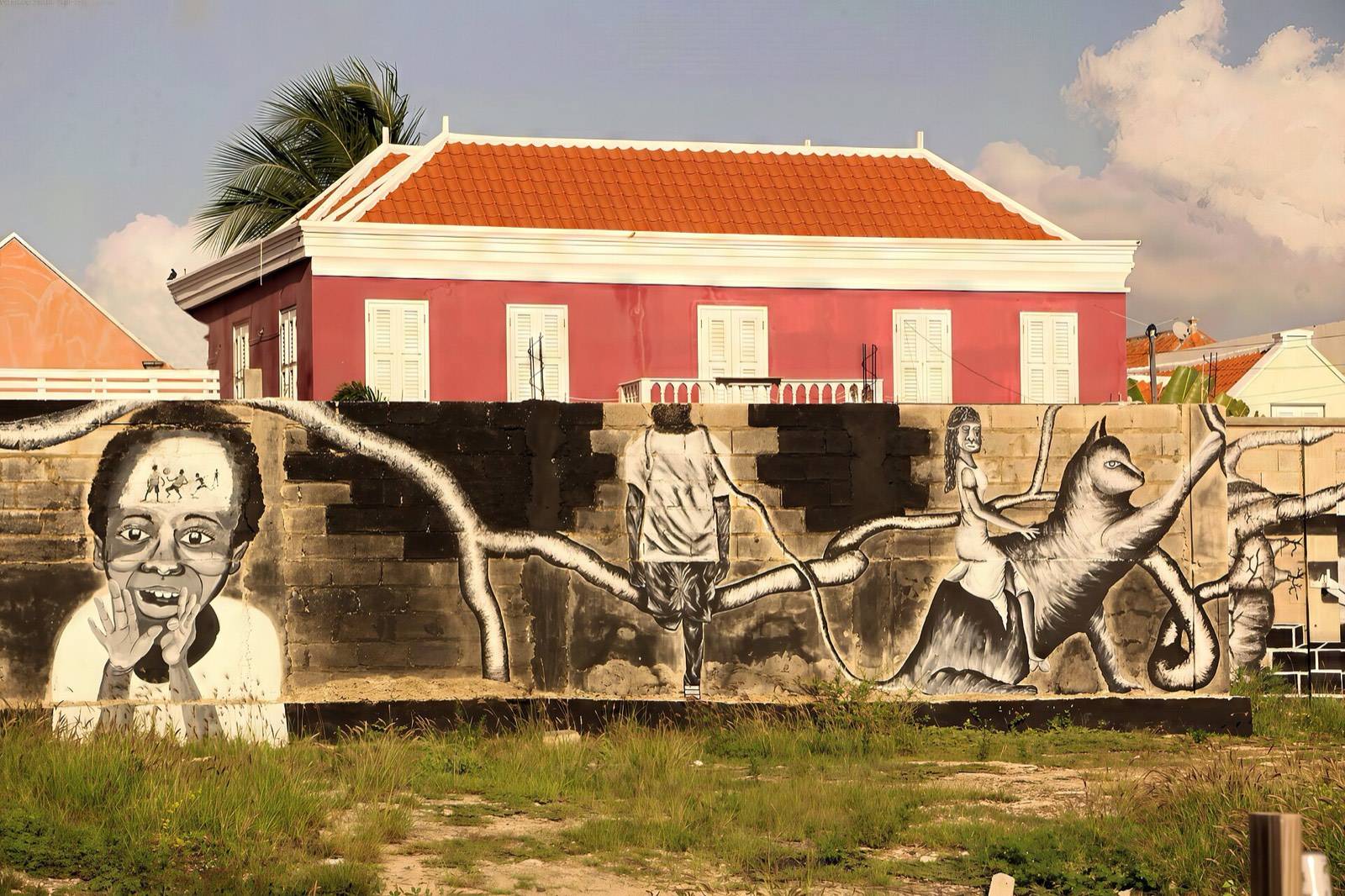
Where is the best street art in Willemstad?
Is the street art free to see?
Who painted the murals in Willemstad?
When is the best time to photograph the murals?
Is Scharloo safe to walk?
Keep exploring
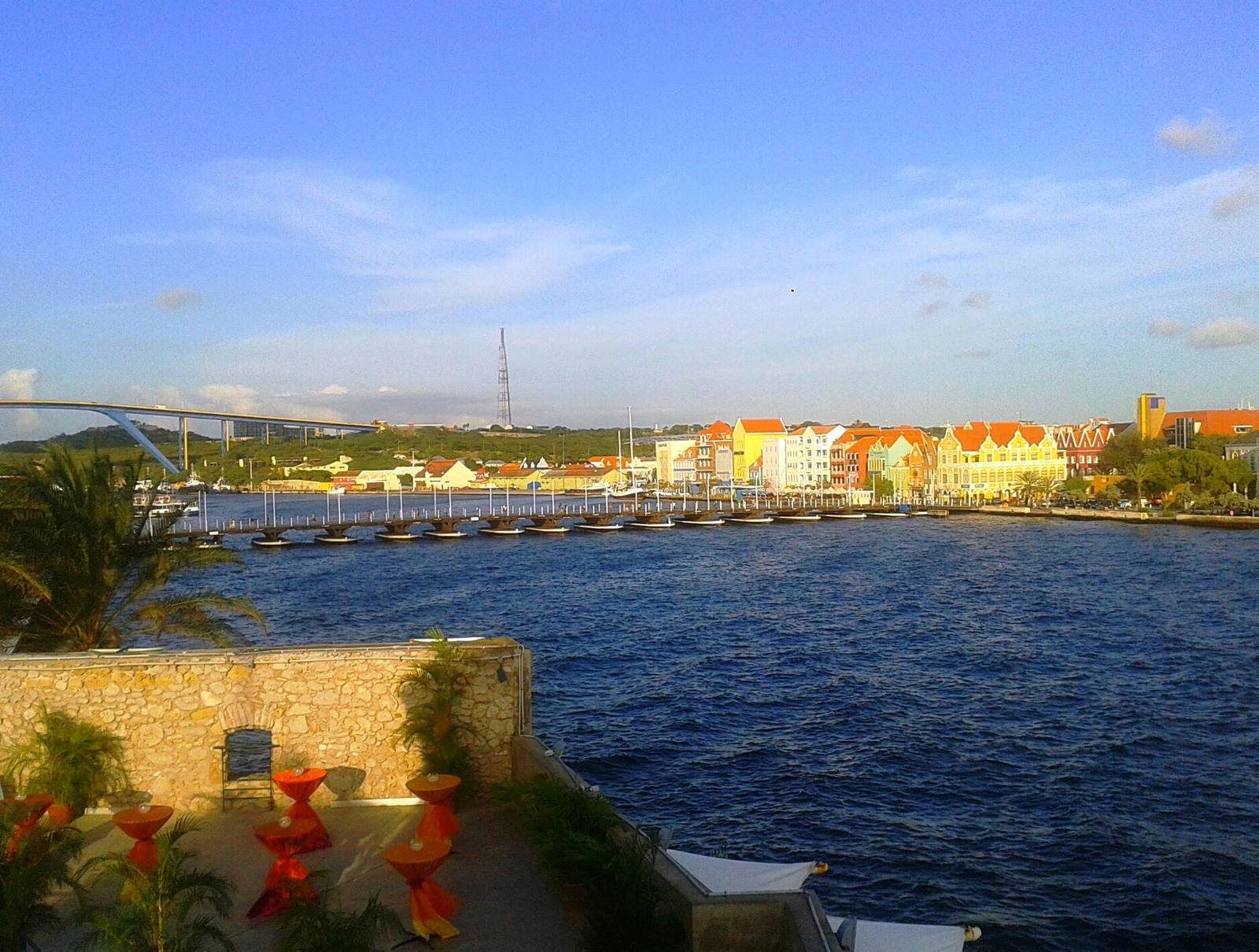
Things to do in Otrobanda: our side of the bridge
Things to do in Otrobanda, Willemstad: Rif Fort ramparts, hidden alleys and werfs, world-class street art and…
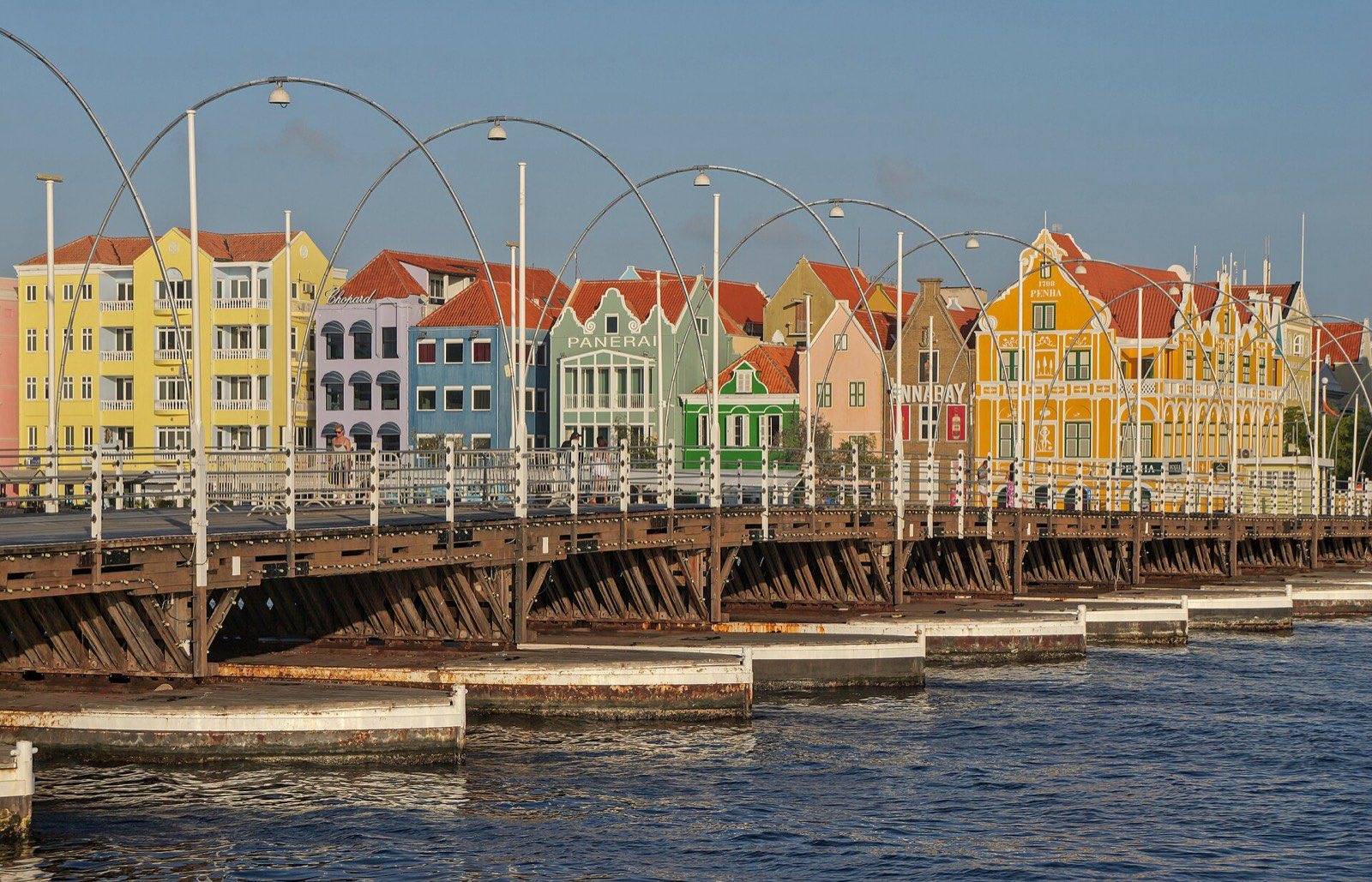
Willemstad walking tour: a self-guided loop of both banks
A self-guided Willemstad walking tour: 2.5 hours, 11 numbered stops across Otrobanda and Punda, from Rif Fort…
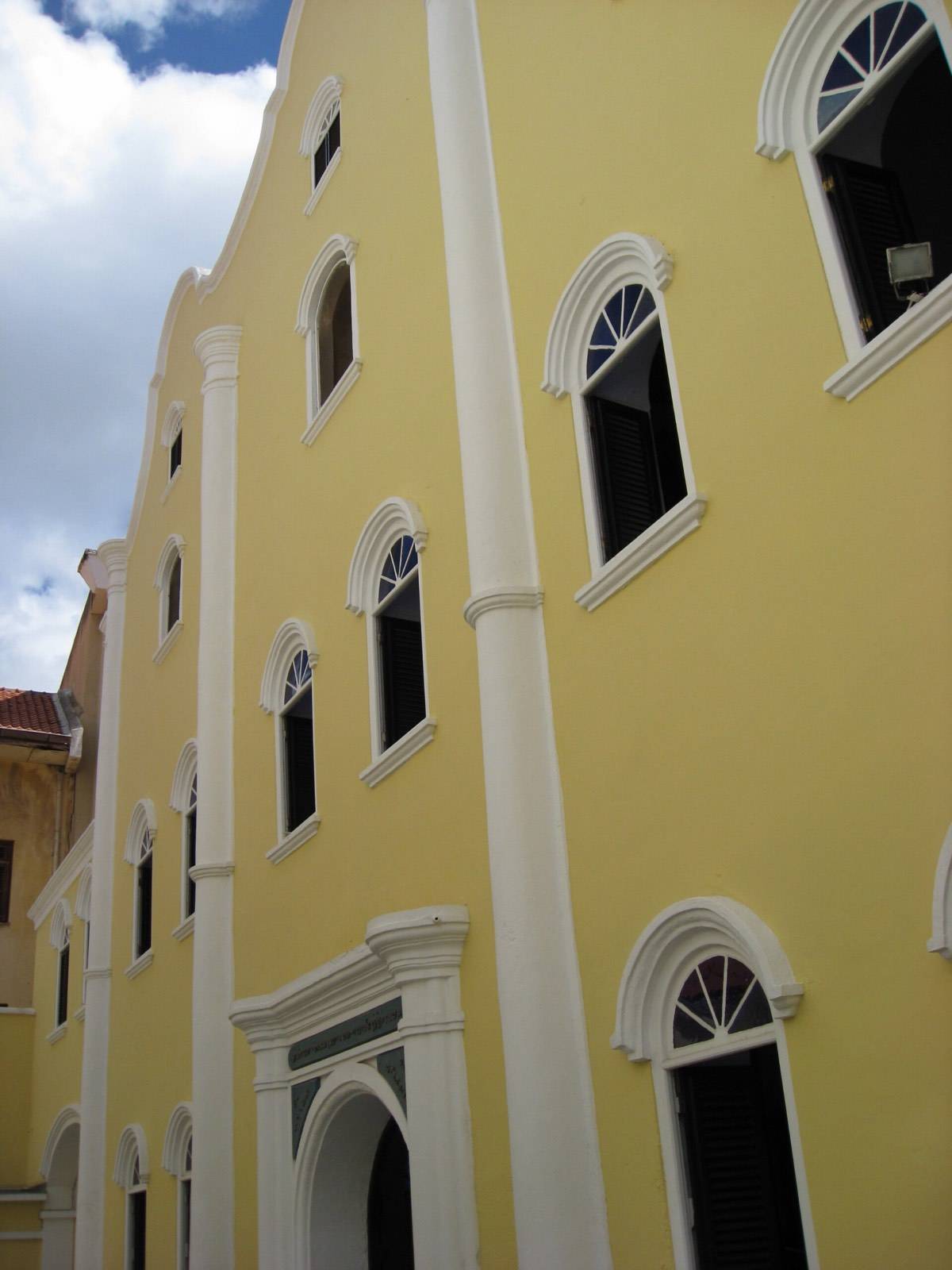
Curaçao culture: language, memory, music, and how to be a good guest
A guide to Curaçao culture: Papiamentu, the sand-floor synagogue, the landhuizen and the memory of Tula…
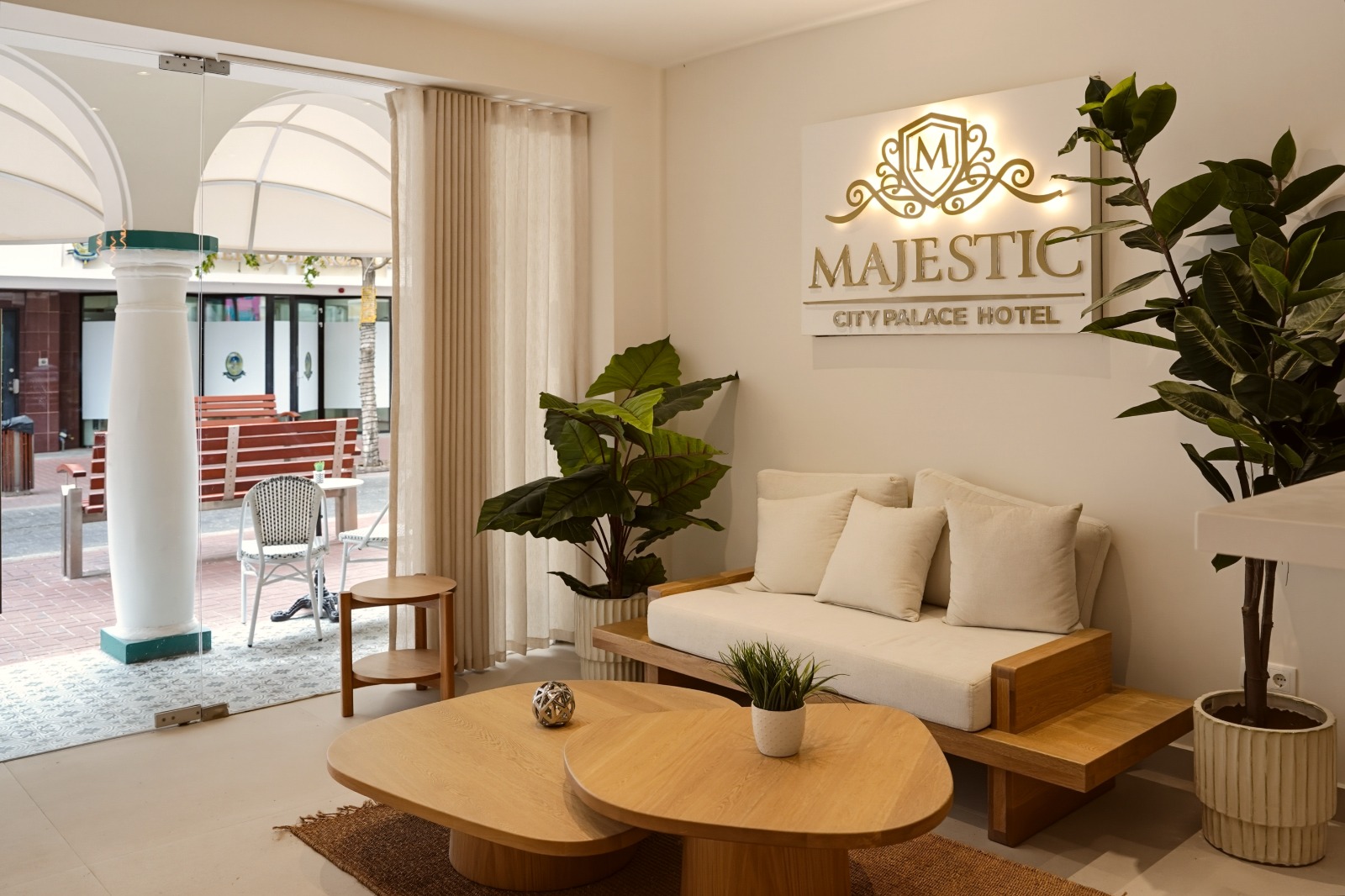
A restored 1892 monument, steps from everything in this guide.
Eighteen boutique rooms across five categories on Breedestraat, Punda. Signature balconies over the main street, and the Van Gogh café pouring espresso downstairs. Reserve your room on Airbnb in a few taps.