
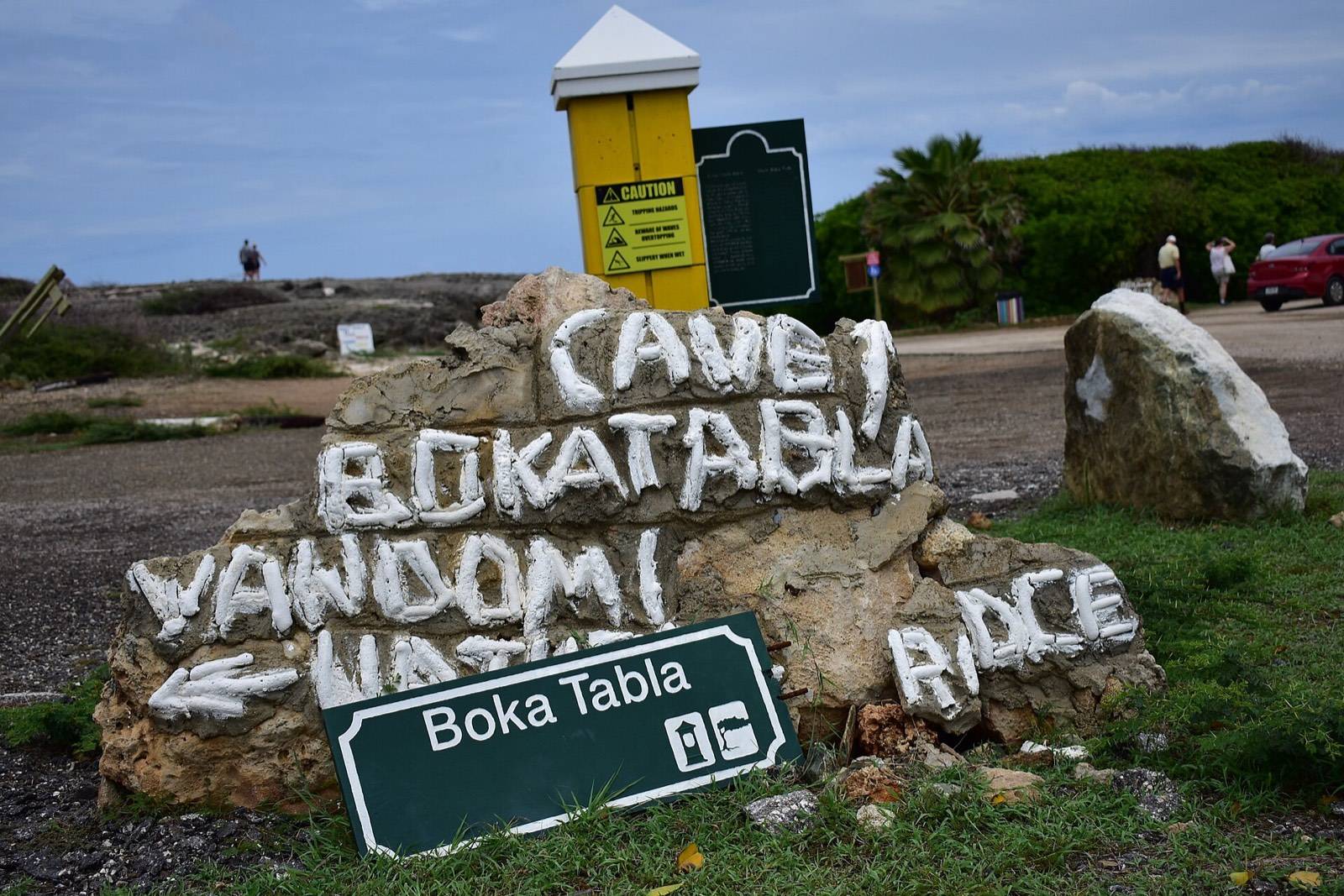
Curaçao's weather report could fit on a postage stamp: warm, sunny, breezy, brief shower possible, repeat. The island sits at twelve degrees north in the trade-wind belt, near the coast of South America, and that address buys it some of the most stable weather in the hemisphere. But stable does not mean identical, and the differences between February and September, while subtle, are worth knowing before you pack.
This page is the meteorological reference: the table, the seasons, and the science. If you are deciding when to come, weather is only half the answer; crowds, prices, and Carnival do the rest, and that verdict lives in our guide to the best time to visit Curaçao.
I.How the weather here actually works
Three facts generate every forecast you will ever read about this island.
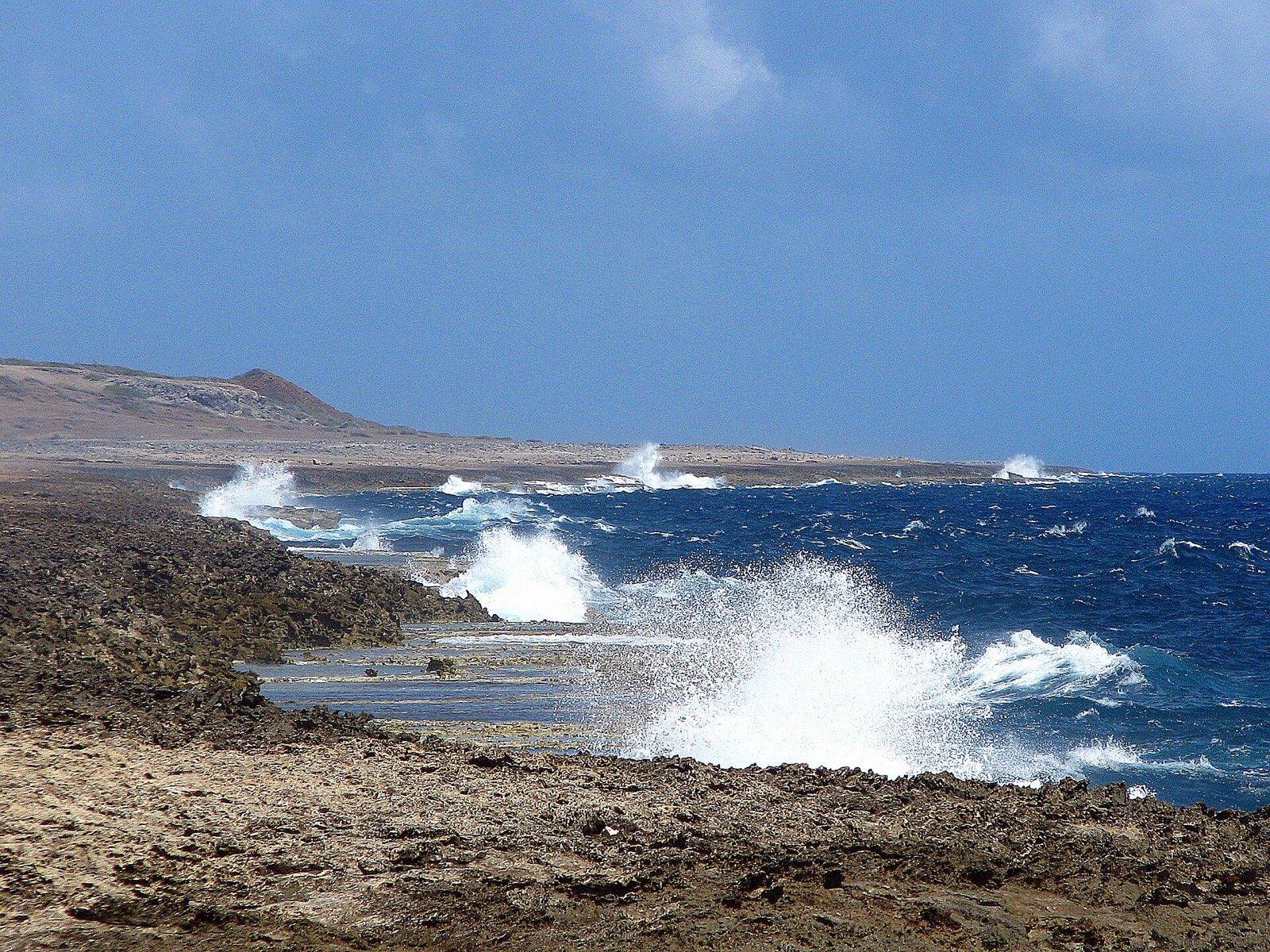
First, latitude. At roughly twelve degrees north, Curaçao sits below the main hurricane belt, so the storm season that defines the northern Caribbean passes high above it. Second, the trade winds. They blow from the east nearly year-round, strongest in late winter, softest in early fall, and they are the island's natural air conditioning. Third, the island's shape: long and slim, lying with the wind, so the south and west coasts sit in calm shelter while the north coast takes the open ocean on the chin.
The result is a semi-arid, sun-dominated climate, closer in spirit to a Mediterranean summer than to the dripping tropics. Cactus outnumbers palm here for a reason.
II.Curaçao weather by month: the table
Read it as honest averages, not promises. Any single week can wobble; the pattern does not.
| Month | Air | Sea | Wind | Rain pattern |
|---|---|---|---|---|
| January | Mid 80s°F days | Around 80°F | Strong, steady trades | Dry; the odd brief shower |
| February | Mid 80s°F | Around 80°F | The briskest of the year | Driest stretch of the calendar |
| March | Mid 80s°F | Around 80°F | Strong | Dry and bright |
| April | Mid 80s°F | Around 80°F | Steady | Dry; isolated showers |
| May | Mid to high 80s°F | Around 80°F | Steady, easing slightly | Mostly dry |
| June | High 80s°F | Around 80°F | Moderate | Mostly dry |
| July | High 80s°F | Low 80s°F | Moderate, with fresh bursts | Brief showers possible |
| August | High 80s°F, heat building | Low 80s°F | Softening | Mostly dry, more humid |
| September | High 80s°F, the year's peak | Low 80s°F | The lightest of the year | Isolated showers |
| October | High 80s°F | Low 80s°F | Light | Passing showers begin |
| November | Mid to high 80s°F | Low 80s°F | Picking back up | Short showers, often at night |
| December | Mid 80s°F | Around 80°F | Building toward winter strength | Showers taper through the month |
Notice what the table does not contain: a cold month, a stormy month, or a sea too cool to swim. The spread between the coolest and warmest months is a few degrees. What actually changes through the year is wind and rain rhythm, which is why the four sections below are worth two minutes each.
III.January to March: dry, bright and breezy
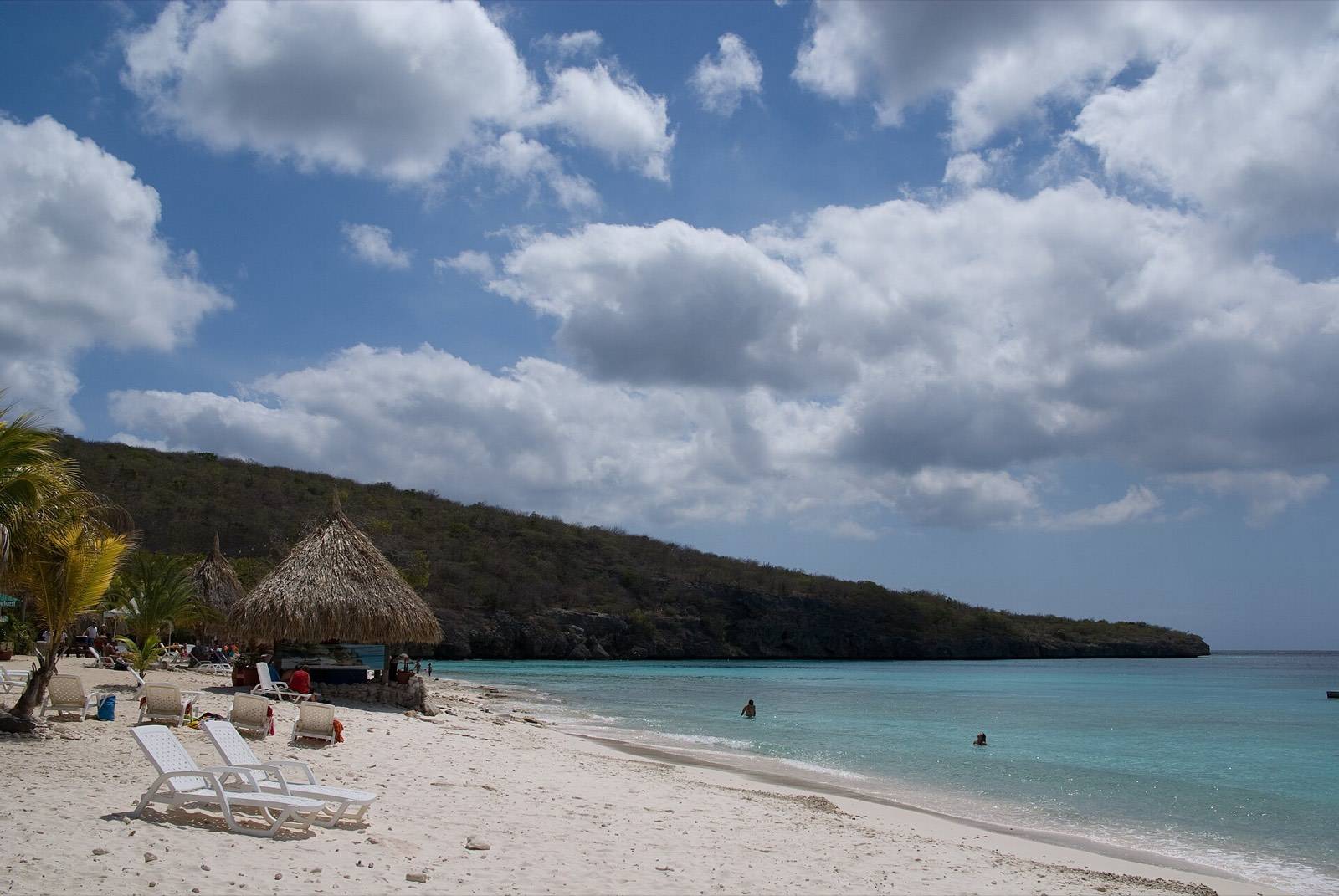
This is the island at its crispest. The trade winds run at full strength, humidity sits low, rain all but disappears, and the light turns hard-edged and brilliant, which photographers notice within an hour of landing. The breeze keeps even midday comfortable for walking, making these the favorite months of travelers who came for the UNESCO streets as much as the sand. On exposed eastern shores the wind can whip towels around; the classic west-end coves sit in shelter and barely notice.
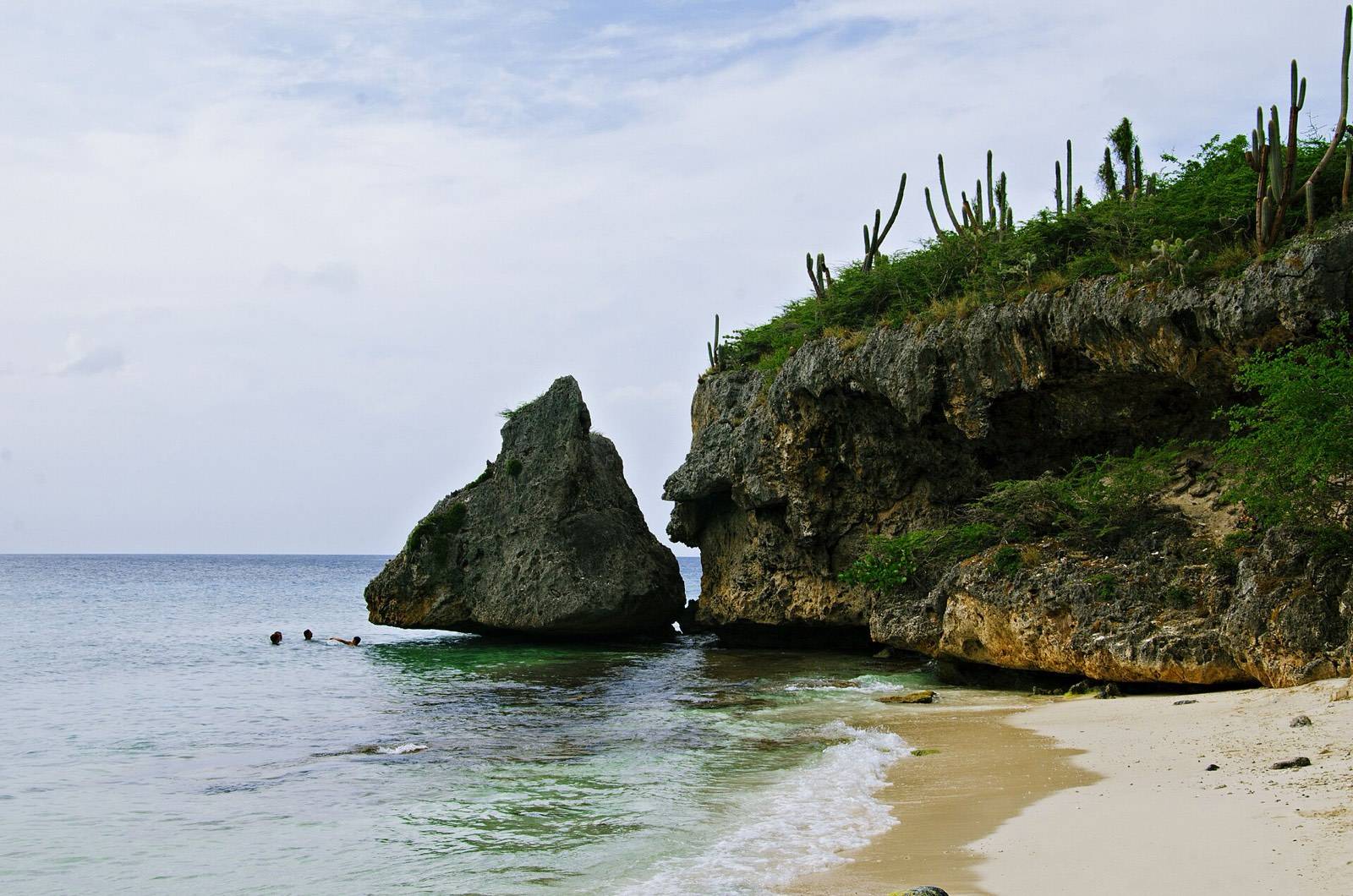
Our favorite trade: high-season weather without high-season company.
IV.April to July: the settled middle
The winds ease a notch, the air warms a notch, and the crowds thin after Easter. These months are the climate's gentle plateau: reliably dry, reliably warm, with seas comfortable for every water plan from first snorkel to long boat day. June in particular is quietly excellent, with long bright days and none of the high-season hum. July brings fresh bursts of breeze and a small bump of summer travelers, but the weather story barely changes.
V.August to October: the hot, still stretch
Now the honest part. Late summer is genuinely hot. The trades drop to a whisper, September posts the warmest days of the year, and the air carries more humidity than the winter visitor ever meets. The response is rhythm: early starts for anything strenuous, the summit gate at Christoffel National Park closes to late starters precisely because of the heat, then shade at noon and the sea all afternoon.
The compensation is the water. With the wind asleep, the leeward coast turns to glass: calm entries, long visibility, and the best conditions of the year for snorkeling and diving. Ask the island's divers for their favorite months and most will name these.
VI.October to December: the green season
From October the rain finally shows up for work, and even then it keeps banker's hours. Showers arrive as brisk, drenching, ten-minute affairs, often overnight or around dawn, then the sun returns as if nothing happened. Totals stay modest by tropical standards, but the island transforms: hillsides green, the salinas fill, and the flamingos get better backdrops. By late December the showers taper and the dry season's breeze builds back in.
VII.Why the forecast app misleads you
Every green season, a traveler somewhere nearly cancels a Curaçao trip because an app showed seven rain icons in a row. Here is what those icons actually mean: at some point in each twenty-four hours, a shower is likely somewhere on the island. A passing ten-minute sprinkle at four in the morning earns the same grim icon as a washout. On a small island in the trades, weather is hyper-local and fast-moving; it is raining on one beach and sunny on the next, and ten minutes later they have traded.
The app says rain all week. The sky says ten minutes of it, then another flawless afternoon.
Plan around patterns, not icons. Pack for sun, as our packing list details, and let the showers be what they are here: brief, warm punctuation.
VIII.Outside the hurricane belt: what that really means
Curaçao's latitude keeps it south of the main Atlantic storm track, which is why the island has no meaningful hurricane season and why fall, the anxious season elsewhere in the Caribbean, is simply the quiet season here. Honesty requires the footnote: rare fringe effects happen, a far-off system can send a cloudy day or unusual swell, and no spot on the map holds weather entirely harmless. But storm risk does not need to drive your calendar on this island, and that is a planning luxury few of its neighbors can offer.
The summary we give guests at our desk in Otrobanda fits in one breath: it is warm every month, the sea is always ready, the wind is your friend, and the rain is brief. Pick your month by crowds and occasions, not by fear of the sky.
Questions travelers ask
Straight answers from the front desk.
Does it rain a lot in Curaçao?
What is the hottest month in Curaçao?
What is the windiest month in Curaçao?
How warm is the sea in Curaçao?
Is Curaçao in the hurricane belt?
Keep exploring
Curaçao travel FAQ: every question, answered straight
Curaçao travel questions answered fast: money, entry rules, rental cars, beach fees, turtles, language, and…
The Curaçao packing list: what locals would tell you to bring
The Curaçao packing list locals would hand you: reef-safe sunscreen, water shoes for rocky coves, a dry bag…
The best time to visit Curaçao: an honest month-by-month guide
When is the best time to visit Curaçao? A month-by-month local guide to seasons, crowds, prices and Carnival…

A restored 1892 monument, steps from everything in this guide.
Eighteen boutique rooms across five categories on Breedestraat, Punda. Signature balconies over the main street, and the Van Gogh café pouring espresso downstairs. Reserve your room on Airbnb in a few taps.