
Money questions outnumber every other kind at our front desk, and they all earn the same reassuring answer: Curaçao is one of the easiest islands in the Caribbean to pay your way across. The island runs on two currencies at once, its own Antillean guilder and the US dollar, and the two have held the same fixed relationship for generations. Cards are welcome nearly everywhere, the cash machines are bilingual in every sense, and tipping follows rules you can learn in a minute. What follows is the full picture, so that the only math you do on vacation is counting beach days.
I.The short version
- The official currency is the Antillean guilder, written ANG or NAf on price tags, pegged at 1.79 to the US dollar.
- US dollars are accepted nearly everywhere, from supermarkets to beach bars. Change often comes back in guilders.
- Credit and debit cards are widely taken at restaurants, shops, fuel stations, and hotels, and contactless is common.
- ATMs dispense both currencies and politely ask which one you want.
- Tip around 10 percent when service is not already included. Check the bill first, because sometimes it is.
- Keep a fold of small cash for markets, beach entry fees, and roadside snacks.
Everything below is detail. The headline is that money simply is not a problem here.
II.A guilder that never surprises you
The guilder is the official tender, and its defining feature is steadiness: 1.79 to the US dollar, a peg that has held for generations and is quoted on the island with the confidence of a law of physics. There is no rate to watch, no airport exchange counter worth your time, and no arithmetic drama. Divide any guilder price by roughly one and three quarters and you have the dollar figure. Most shops spare you even that by displaying both.
The guilder has sat at 1.79 to the dollar for generations, which makes it quite possibly the most relaxing exchange rate in the Caribbean.
You will hear locals quote prices in either currency without blinking, sometimes within the same sentence. If context does not make it obvious which currency a number is in, simply ask, especially at markets and small lunch counters. Nobody is offended, and the answer is delivered with the patience of people who have been living between two currencies their whole lives.
III.Paying in dollars
Dollars work nearly everywhere on Curaçao, and not grudgingly. Supermarkets, restaurants, museums, beach kiosks, taxis, and tour boats all take them as a matter of course. The practical advice is about denominations rather than acceptance: bring twenties and smaller, because a large bill can stump a fruit stall or a snack truck mid-morning, and nobody enjoys watching a vendor canvass the neighbors for change.
Expect your change in guilders much of the time. This is habit, not sleight of hand, and because the peg is fixed the math at the register is honest and consistent in a way floating-rate destinations cannot match. Spend the coins on a pastechi, or let one ride home in your pocket as the cheapest souvenir on the island. Travelers keeping a close eye on spending will find the rhythm easy to learn, and our Curaçao budget itinerary shows just how far the small notes stretch.
IV.Cards, ATMs, and the bilingual cash machine
Cards are the default in most places a visitor actually goes: the dinner rooms of Pietermaai, the cafes of Punda, supermarkets, dive operators, fuel stations, and hotels. Contactless taps are common, and the terminals are quick. Do the ordinary travel hygiene before you fly: tell your bank where you are headed, and carry a second card stored separately from the first. It is dull advice that has saved more vacations than any packing tip ever written.
ATMs cluster around Punda, Otrobanda, the larger supermarkets, and the airport, and most of them ask a pleasant question few machines elsewhere ever do: dollars or guilders? Choose dollars if you want a single mental currency for the whole trip. Choose guilders if your week leans toward markets, local lunch counters, and the west end. One withdrawal early in the trip usually covers all the cash an ordinary visit needs.
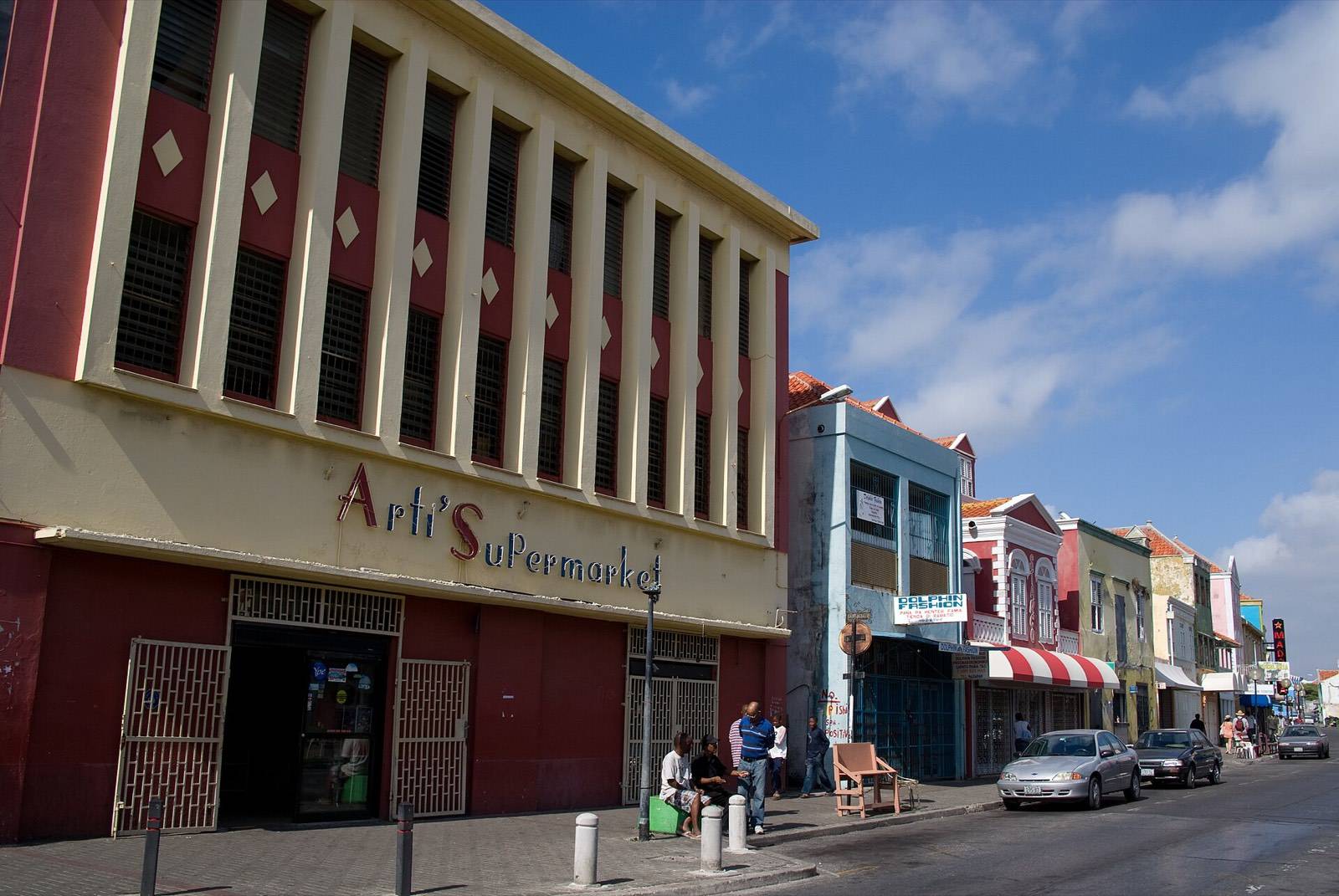
The guilder is pegged at 1.79 to the US dollar, year round. Dollars are accepted nearly everywhere on the island; change usually returns in guilders.
V.Tipping without overthinking it
Tipping on Curaçao is appreciated, mild, and mercifully unceremonious. Restaurants sometimes add a service charge to the bill, so read it before doing anything else. When service is included, a little extra for a memorable evening is generous but not expected. When it is not, around 10 percent is the comfortable local norm, a touch more if someone has genuinely made your night.
Beyond restaurants, the customs are simple. Taxi drivers are usually rounded up rather than tipped on a percentage. Tour crews, snorkel guides, and the deckhands who haul you back aboard after Klein Curaçao appreciate a few dollars when they have earned them, which they usually have. A couple of dollars a day for housekeeping is a kind habit anywhere in the world, this island included. And a warm Masha danki (thank you) costs nothing while landing better than any banknote.
VI.Where cash still rules
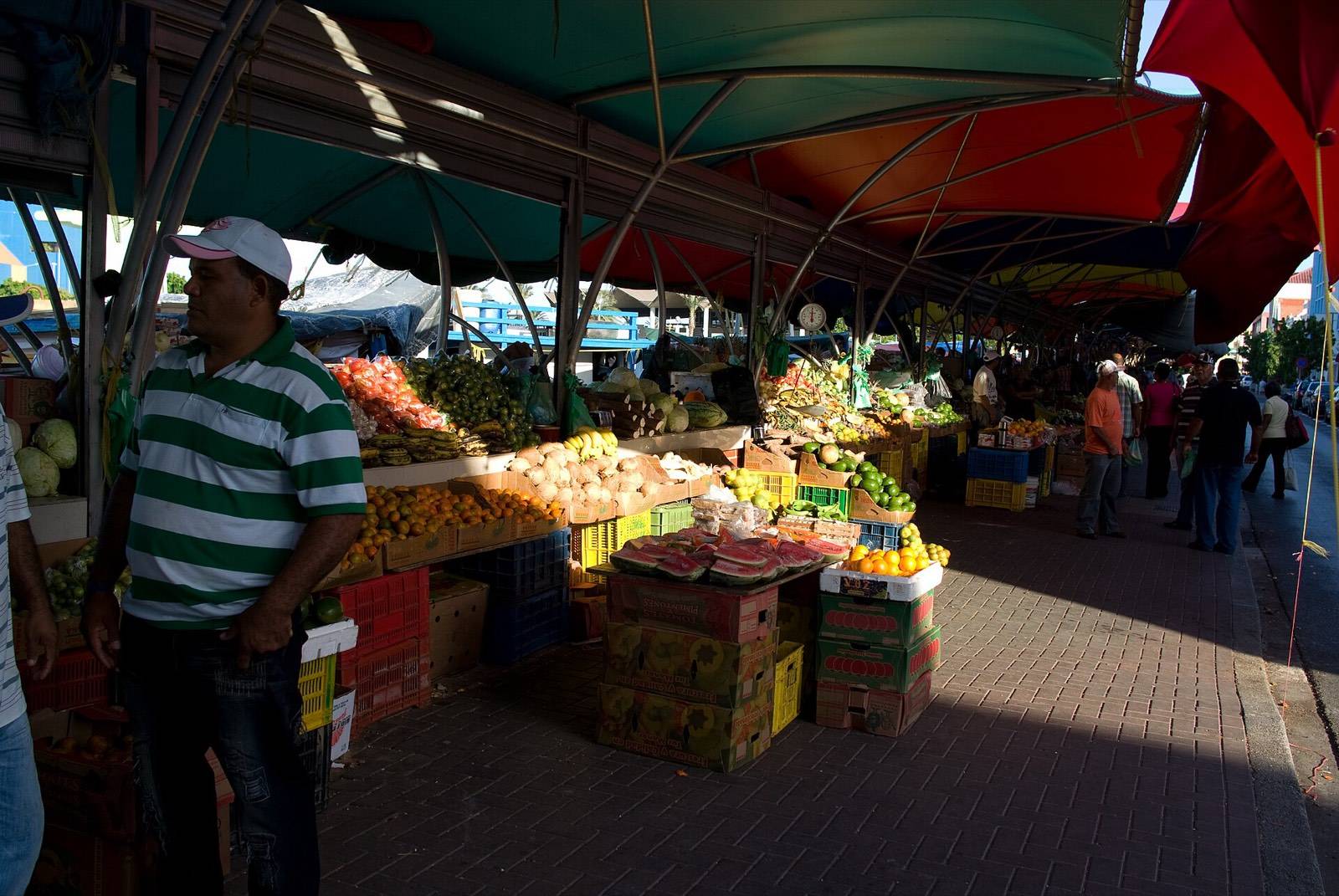
Plastic covers most of the island, but the corners of Curaçao most worth visiting still prefer paper. The Floating Market sells Venezuelan fruit from moored boats the way it has for generations, in cash and conversation. The lunch ladies of Plasa Bieu, the old covered market we map in where to eat in Willemstad, run cash-first kitchens where the stoba is worth every small note. Several west-end beaches charge a modest entry or lounger fee at a gate or kiosk, covered beach by beach in our guide to the best beaches in Curaçao. The snack trucks that feed the island after dark deal in small bills too.
None of these amounts is large. All of them are easier with a pocket of small denominations, which is why the locals always seem to have exact change and visitors never do.
VII.Habits that make money easy here
Arrive with a modest fold of small US bills and you are functional from the moment you clear the door at Hato. Pull guilders once from an ATM early on for markets and beach gates. Keep the cards for restaurants, the supermarket, and the rental counter, and split your cash between two places out of ordinary caution rather than fear.
Whether the island ultimately feels cheap or dear depends far more on your choices than on the currencies, a question we answer honestly in is Curaçao expensive. How you move around matters too, and the car-versus-walking decision is settled in getting around Curaçao. The money itself will never be the hard part of this trip. On Kòrsou, the wallet behaves so the traveler does not have to.
Questions travelers ask
Straight answers from the front desk.
What currency is used in Curaçao?
Can I use US dollars in Curaçao?
Are credit cards widely accepted in Curaçao?
How much should you tip in Curaçao?
Should I exchange money before traveling to Curaçao?
Keep exploring
Curaçao on a budget: the free-versus-fee itinerary
Curaçao on a budget: free beaches versus fee beaches, a UNESCO city you can walk for nothing, cheap local…
Curaçao travel FAQ: every question, answered straight
Curaçao travel questions answered fast: money, entry rules, rental cars, beach fees, turtles, language, and…
Is Curaçao expensive? An honest cost guide by tier
Is Curaçao expensive? An honest cost guide with budget, mid-range, and premium tiers for meals, beaches…

A restored 1892 monument, steps from everything in this guide.
Eighteen boutique rooms across five categories on Breedestraat, Punda. Signature balconies over the main street, and the Van Gogh café pouring espresso downstairs. Reserve your room on Airbnb in a few taps.