
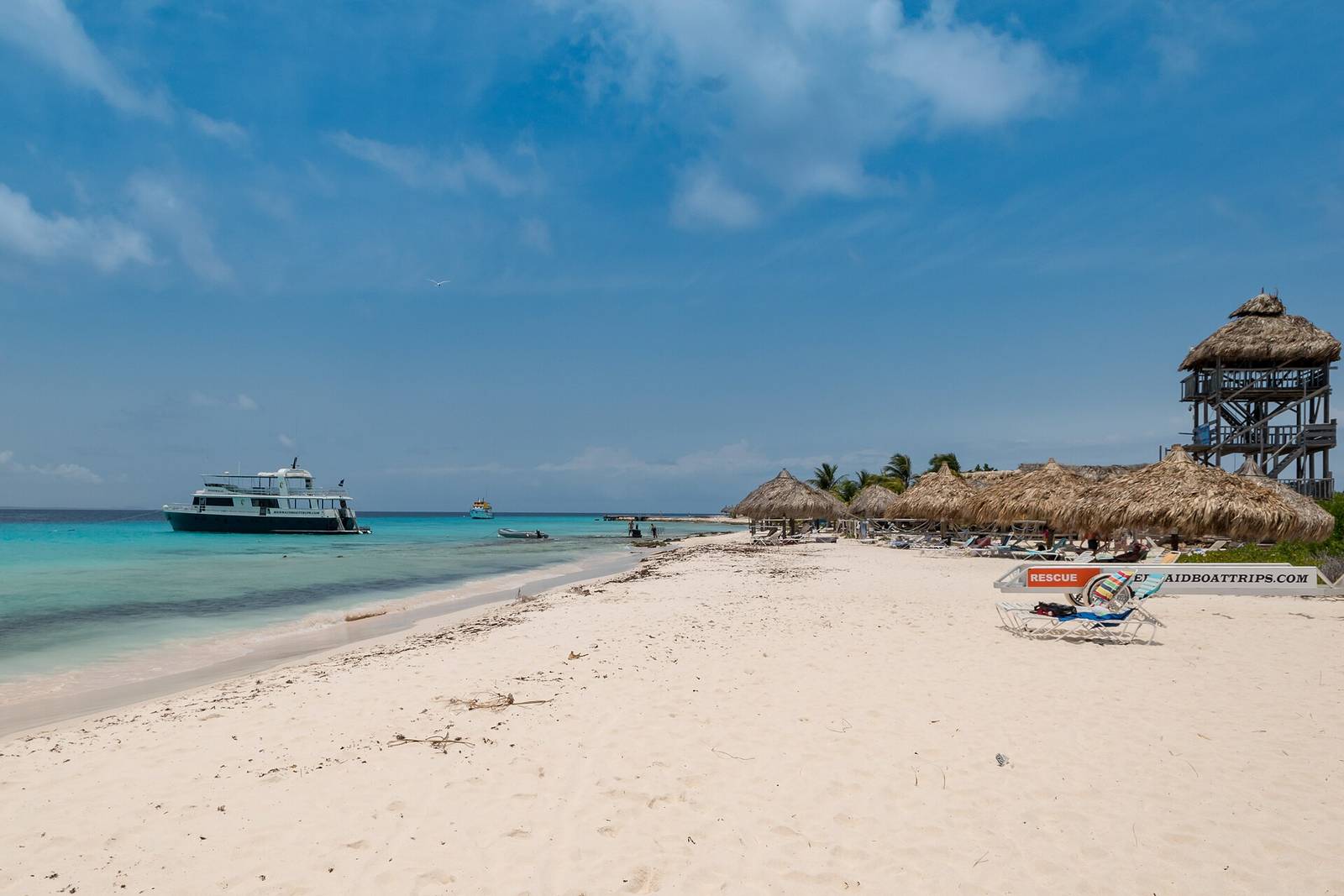
Southeast of the main island, about two hours by boat, there is a place that strips the Caribbean down to its grammar: one beach, one lighthouse, one horizon. Klein Curaçao, Little Curaçao, is uninhabited, treeless, and almost indecently photogenic. It is the best day trip the island offers and the one that most needs honest preparation, so here are both halves of that sentence. This guide explains how the trips run, what the crossing really feels like, what to pack, and who should think twice.
I.What Klein Curaçao actually is
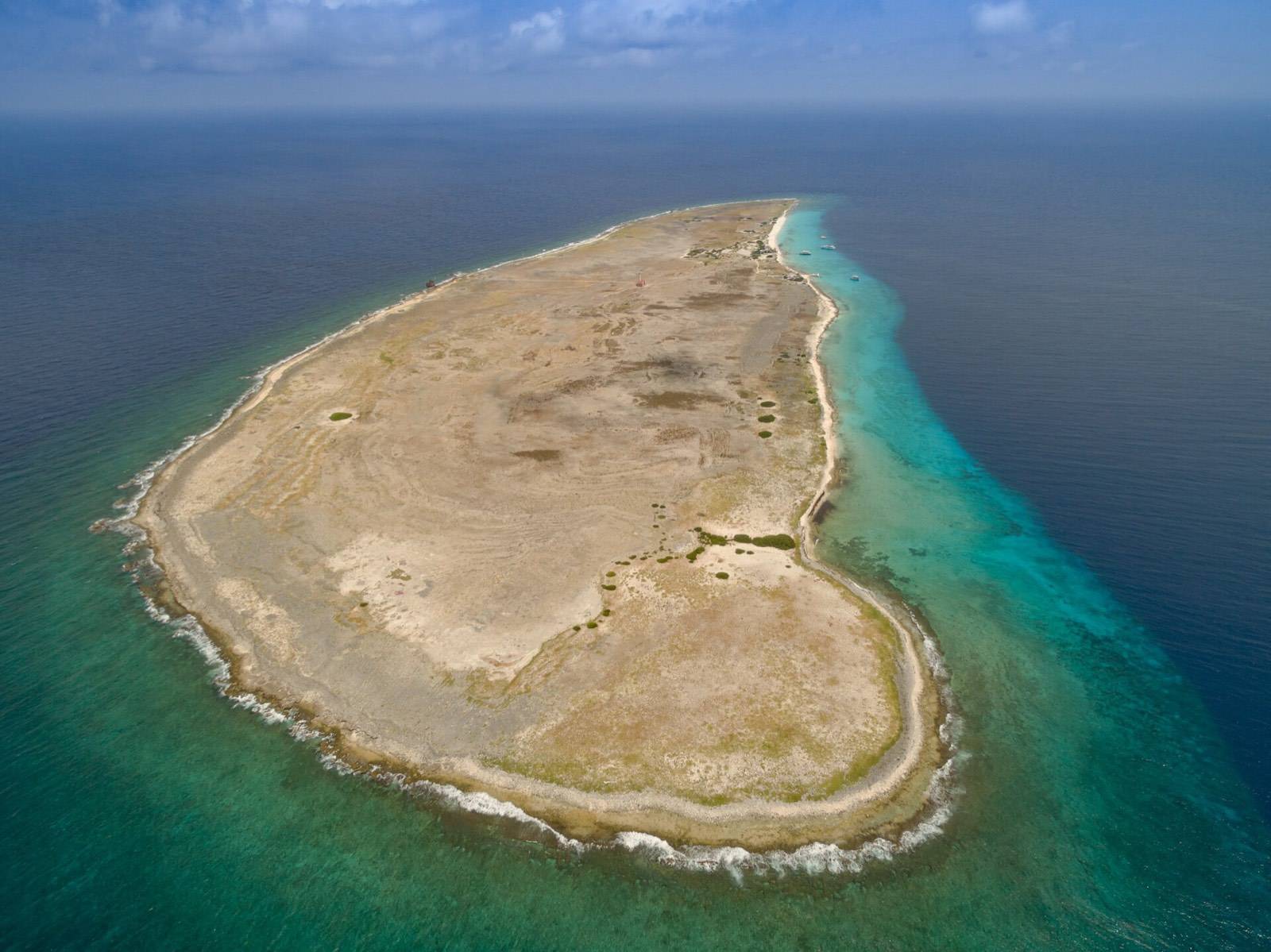
The islet is a flat shelf of coral and scrub a fraction of the size of its parent, with no permanent residents, no shops, no shade trees, and no dock town waiting with souvenirs. Its leeward side holds a long ribbon of white sand and water of almost theatrical clarity. Its windward side is the opposite: rough surf, a wave-bitten shore, and the rusting bones of an old wreck driven up against it. In the middle stands the lighthouse, weathered to the color of dried clay, photogenic in the way only abandoned sentinels are.
Day trips are the only way most travelers will ever see it, and that is part of the spell. You arrive by sea, you leave by sea, and the island keeps no trace of you.
Klein Curaçao is the Caribbean with everything subtracted: no roads, no noise, no shade, just light, salt, and a lighthouse keeping watch over the glare.
II.How the day trips work
Operators run the crossing most mornings from marinas on Curaçao's southeast coast. Departures are early, often before the sun has fully committed, because the sea is at its kindest at dawn and the day needs room for the return. Most trips follow the same arc: about two hours out, the middle of the day on the sand, and a smoother ride home in the afternoon.
Nearly every boat includes food and drink, usually morning bite on the way and a grilled lunch on the island, along with the palapas or shade tents that pass for infrastructure there. Book before you fly, since the better boats fill first, and choose the size of vessel to match your stomach rather than your budget. Our concierge can arrange it, and our 3-day itinerary shows where the trip fits in a short stay.
III.The crossing, honestly
Here is the part the brochures whisper: the ride out can be rough. Klein Curaçao sits upwind of the main island, so the outbound leg takes the trade-wind swell on the nose, and on a lively day the boat will buck. The return, running with the wind, is usually far gentler.
If you are prone to motion sickness, plan for the crossing the way you would any open-water passage: eat a light morning bite, sit low and near the middle of the boat, keep your eyes on the horizon, and bring whatever remedy has worked for you on boats before. Larger catamarans ride steadier than small speedboats, and they trade speed for comfort in both directions.
IV.The shape of the day
Most trips land you on the sand by mid-morning, and the hours that follow have a natural order. Swim first, while the light is angled and the body still carries the boat's adrenaline. Take the lighthouse walk before noon or after lunch, never in the white-hot middle of the day. Lunch arrives from the grill around midday, and the hour after it is for shade and nothing else. Save one last long swim for early afternoon; boats typically begin loading mid-afternoon to make the homeward crossing in good light. It sounds scheduled. It does not feel that way. The island has a talent for dissolving clocks.
V.On the island: swim, walk, repeat
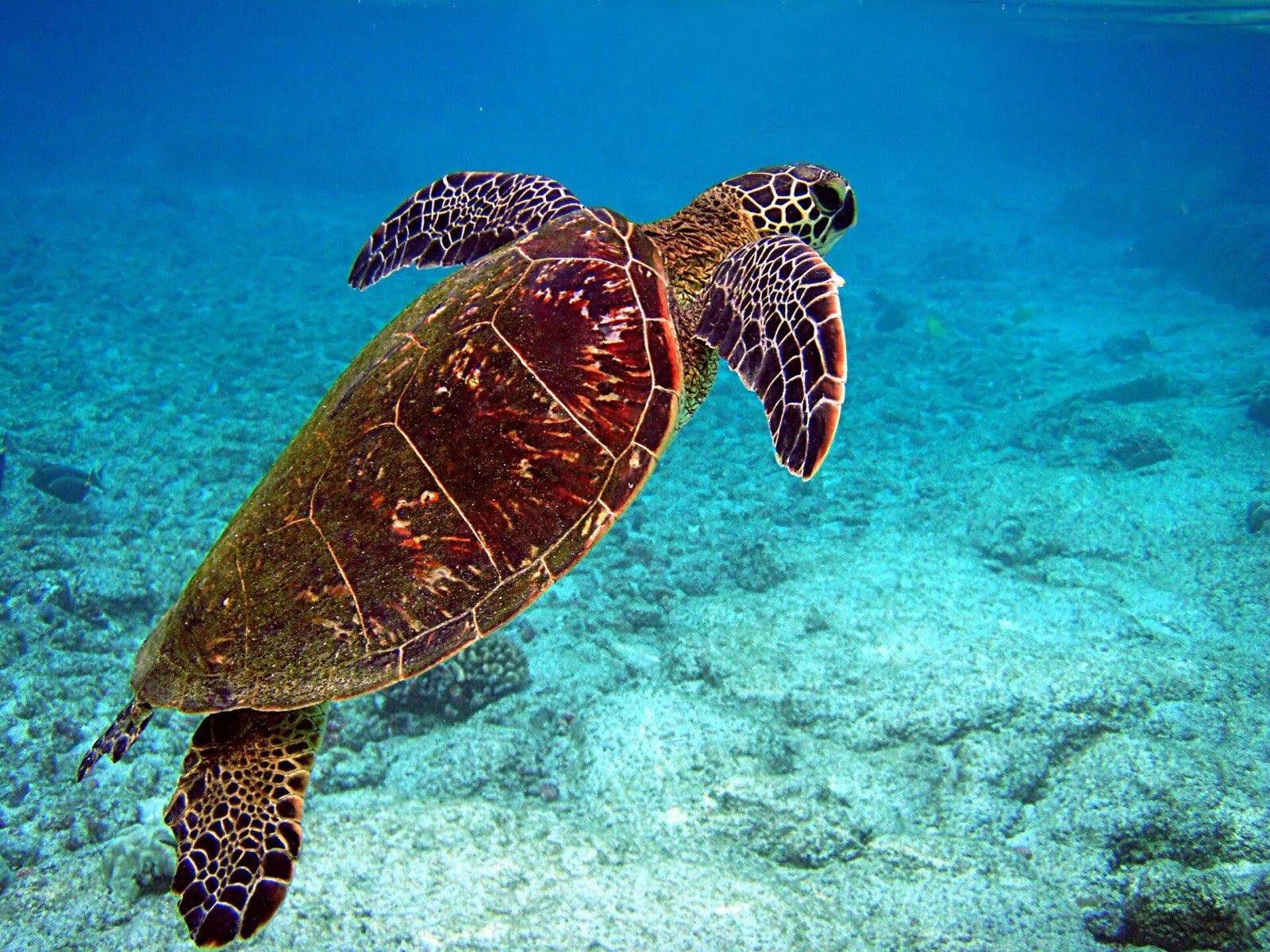
The beach earns its reputation within the first minute. The sand is fine and bright, the shelf slopes gently, and the water is so clear that anchored boats seem to hover above their own shadows. Sea turtles cruise the shallows often enough that meeting one is likely rather than lucky; give them room, never touch or chase them, and let them set the pace. Our snorkeling guide covers reef manners in detail, and all of them apply here.
When the swimming pauses, walk. The lighthouse stands an easy stroll inland, derelict and beautiful, and the path is short, flat, and entirely shadeless. Beyond it, the windward shore with its surf and shipwreck looks like another planet from the one you waded out of. Wear shoes, carry water, and do not swim on that wild side: the same waves that sculpted it have no interest in your plans.
VI.What to bring
Pack as if no one will sell you anything, because no one will. There is no natural shade beyond what the operators set up, so the essentials are a real hat, a cover-up or rash guard you can swim in, and reef-safe sunscreen applied before you board and renewed after every swim. Water shoes help on the hot sand and the odd patch of rubble. A dry bag protects phones on the wet ride out, and a light long-sleeved layer earns its place on the breezy trip home. Cash is nearly useless out there, though a little for crew gratuities never goes amiss. The full island checklist lives in our packing list.
VII.Who should go, and who should skip it
Go if you love water more than amenities, if your honeymoon needs one absurdly beautiful day (we placed it in our honeymoon itinerary for a reason), or if you have already swum the main island's coves and want the far horizon.
Skip it, without guilt, if you are easily seasick and unwilling to gamble on the crossing, if you are traveling with very small children who need shade and short days, or if your trip is too short to spend a full day at sea. The west-end coves deliver ninety percent of the same blues with none of the swell; our guide to the best beaches in Curaçao maps them all.
VIII.Is it worth it?
For most travelers, emphatically yes, with eyes open. A day on Klein Curaçao costs you a day of the main island, a predawn alarm, and possibly a rough ride. It repays you with the emptiest, clearest water of the trip and the strange luxury of standing somewhere that belongs to no one. Guests at our 1892 monument in Punda come home salted, sunburned in the gaps they missed, and grinning, and very few of them call it a draw.
Every guide has a place on the chart.
Hover the markers to read the island the way our concierge sketches it on paper, from the wild west end to Klein Curaçao two hours offshore.
Westpunt & Playa Piskado
Cliff coves, fresh fish, and the pier where green turtles patrol the shallows.
Read the guideGrote Knip
The postcard cove. Take the lookout photo first, then swim it.
Read the guidePlaya Lagun
A narrow fishermen's notch where turtles graze between the cliffs.
Read the guideShete Boka
Seven wave-carved inlets. Boka Tabla thunders; Boka Pistol fires.
Read the guideChristoffel Park
The island's summit. Start the climb early, before the heat does.
Read the guideCas Abao & Porto Mari
Full-service white sand and a double reef a short swim from shore.
Read the guideHato Caves
Limestone halls near the airport, carved by an older sea.
Read the guideWillemstad · our home
The UNESCO city, both banks of it. Our 1892 monument stands in Otrobanda.
Read the guideJan Thiel & Spanish Water
The southeast lagoon: beach clubs, calm water, late sun.
Read the guideKlein Curaçao
An uninhabited islet two hours offshore. One lighthouse, one long white beach.
Read the guideQuestions travelers ask
Straight answers from the front desk.
How do you get to Klein Curaçao?
Is the boat ride to Klein Curaçao rough?
Is there shade or food on Klein Curaçao?
Can you see turtles at Klein Curaçao?
Who should skip Klein Curaçao?
Keep exploring
A Curaçao honeymoon itinerary: six slow, golden days
A six-day Curaçao honeymoon itinerary: balcony mornings, west-end coves, Pietermaai dinners, a Klein Curaçao…
Snorkeling in Curaçao: the shore-entry spots worth your morning
Snorkeling in Curaçao from shore: turtles at Playa Piskado, the Tugboat wreck, Playa Lagun and Porto Mari…
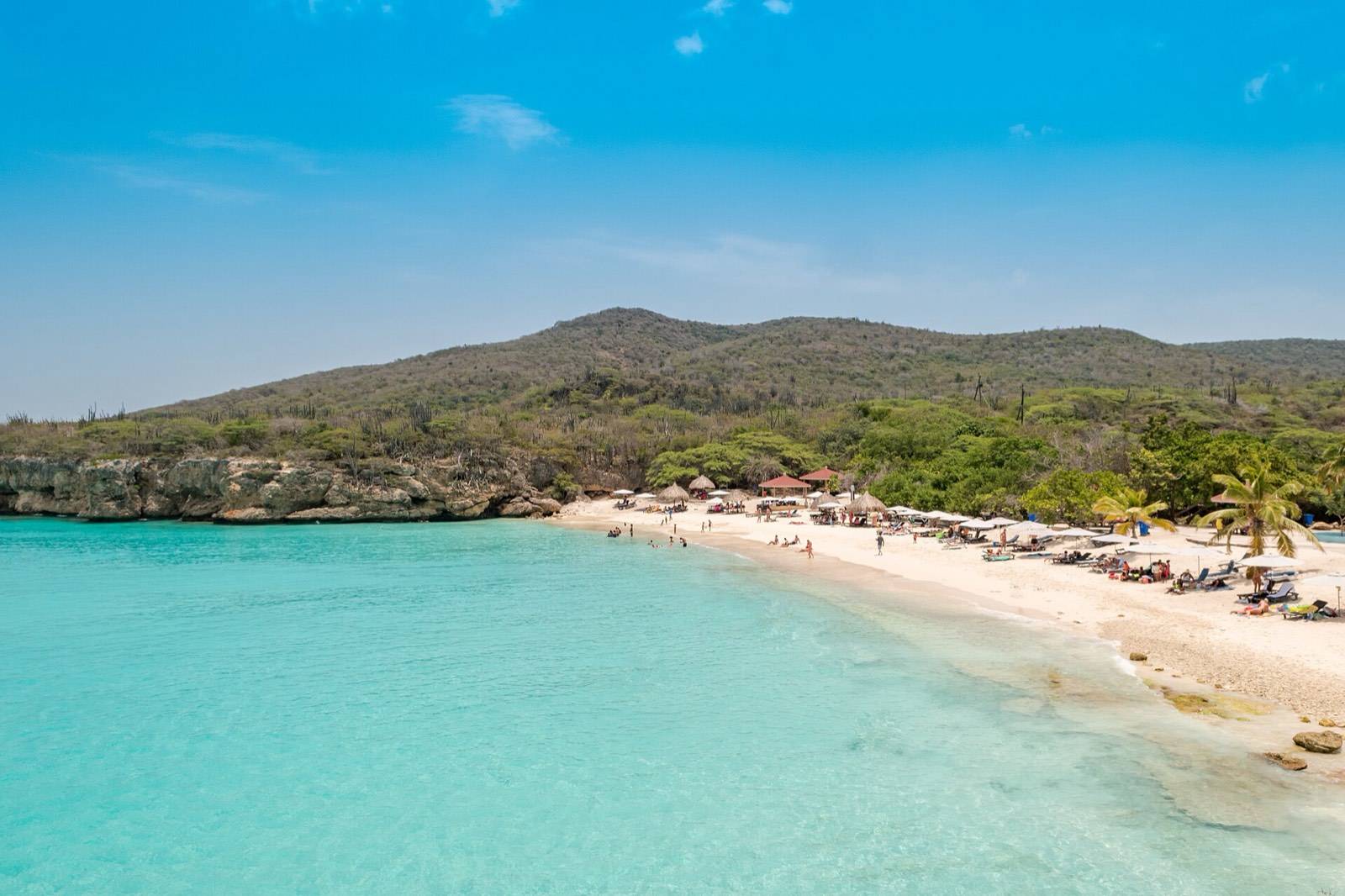
The best beaches in Curaçao: 15 coves and beach clubs, honestly ranked
The best beaches in Curaçao, ranked by a local concierge: west-end coves, calm family bays, free entries vs…
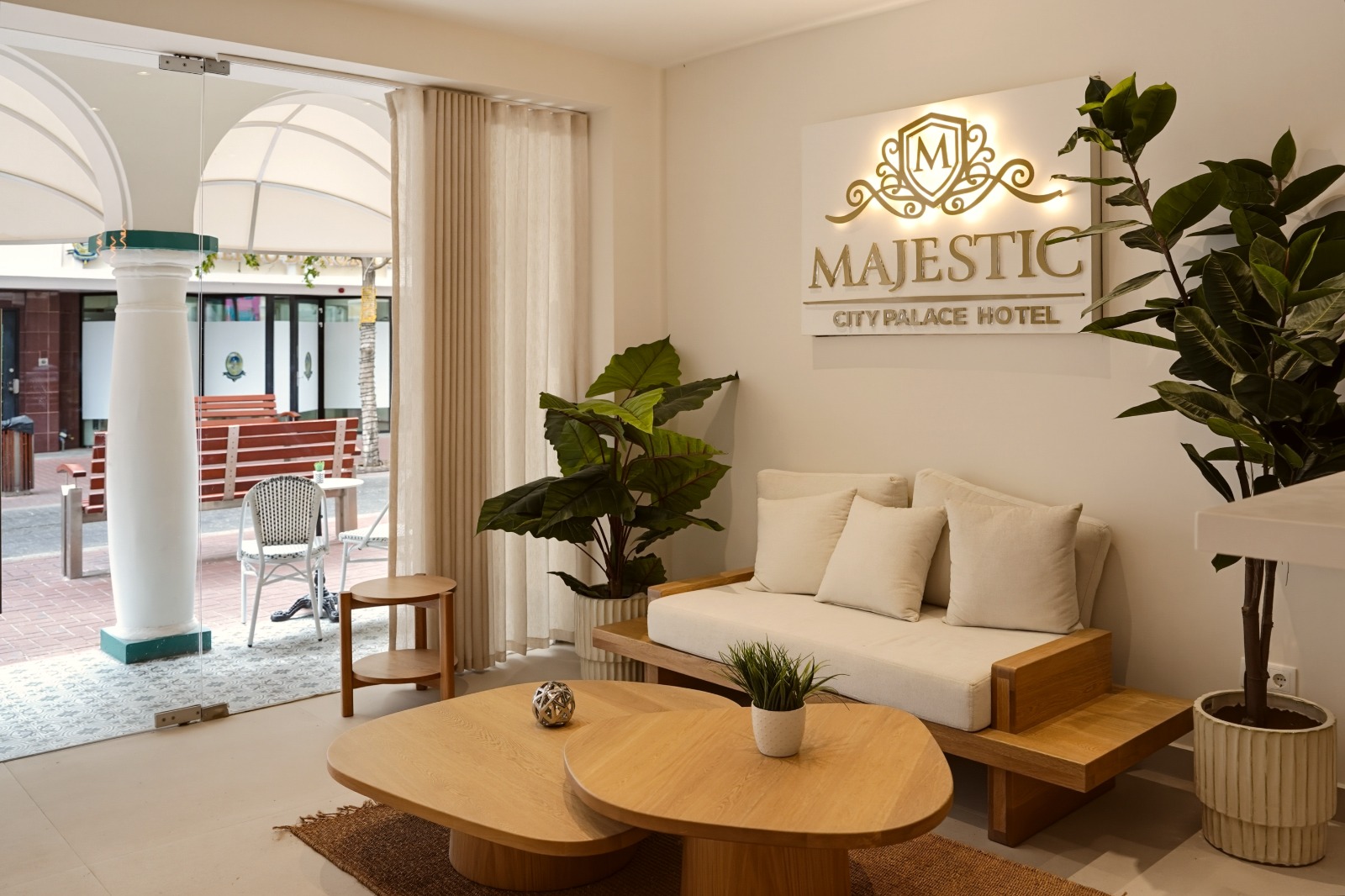
A restored 1892 monument, steps from everything in this guide.
Eighteen boutique rooms across five categories on Breedestraat, Punda. Signature balconies over the main street, and the Van Gogh café pouring espresso downstairs. Reserve your room on Airbnb in a few taps.