
Curaçao does not do safaris. There are no fences, no feeding times, no trucks idling at dawn. What the island offers instead is better: wild animals with reliable addresses. The flamingos keep theirs at two salt flats on the western road. The sea turtles work a fishermen's pier near Westpunt. The bats sleep in a limestone cathedral near the airport, and the dawn shift sings from every flowering tree at once. This guide gives you the addresses, the hours, and the manners. The manners matter most, because everything on this list stays only as long as visitors behave like guests.
Nothing on Curaçao performs on command. Arrive quietly, at the right hour, and the island rarely disappoints.
I.Flamingos: the salinas at Jan Kok and Sint Willibrordus
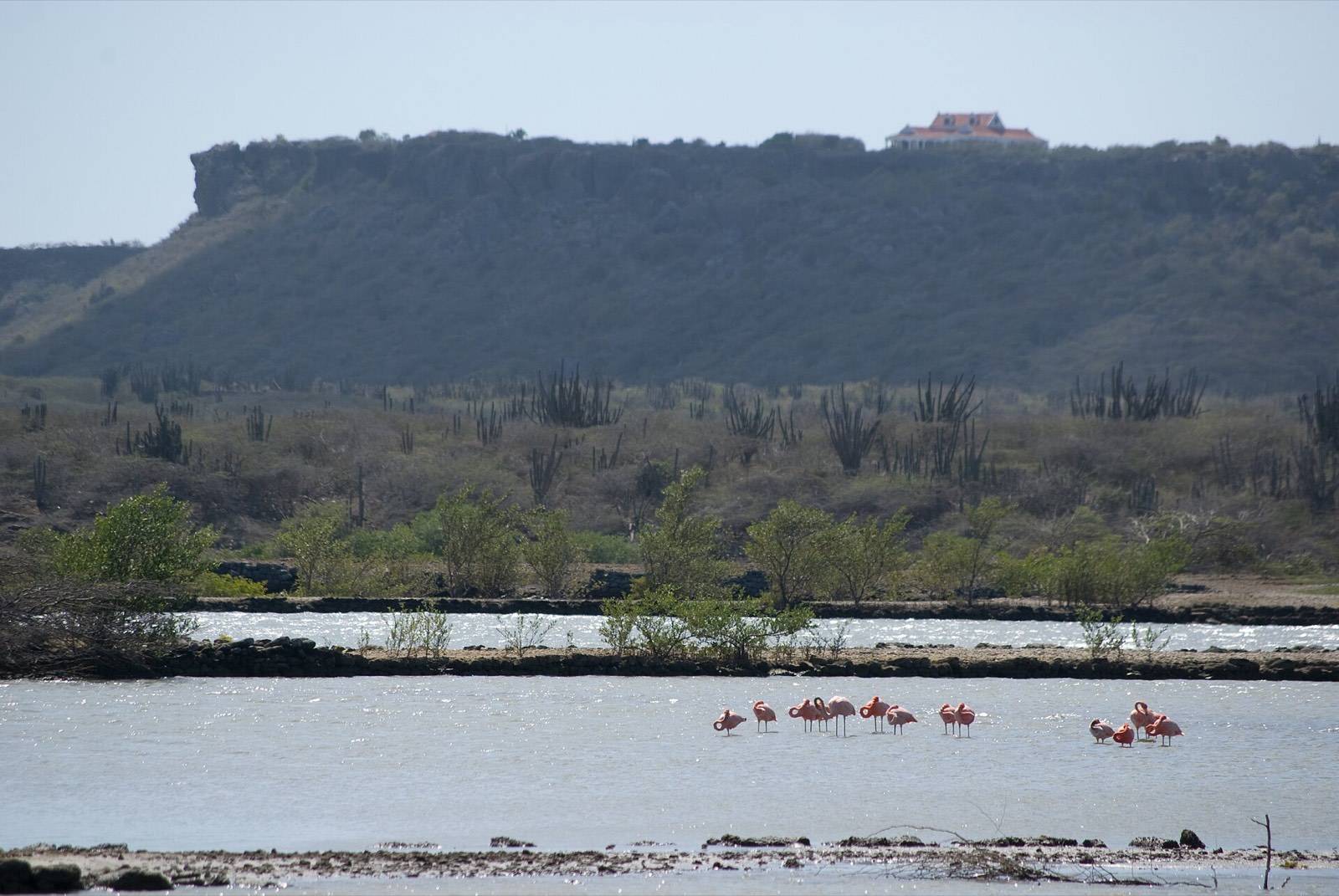
The island's most famous wild residents wade two shallow salinas, the salt flats at Jan Kok and near the village of Sint Willibrordus, both along the western road out of Willemstad. They feed head-down in the brine, sweeping those bent bills like slow metronomes, pink against water that sometimes turns pink itself. Numbers change with water levels and whim: some days a dozen, some days a whole shoreline of them, and the island makes no promises either way.
The viewing rules are simple and firm. Watch from the roadside, keep voices low, stay off the flats entirely, and leave the drone in the bag; a flushed flock is a failed visit for everyone behind you. Morning and late afternoon bring the best light and the most activity, and because both salinas sit on the way west, the stop folds neatly into any west-end beach day.
II.Green sea turtles at Playa Piskado
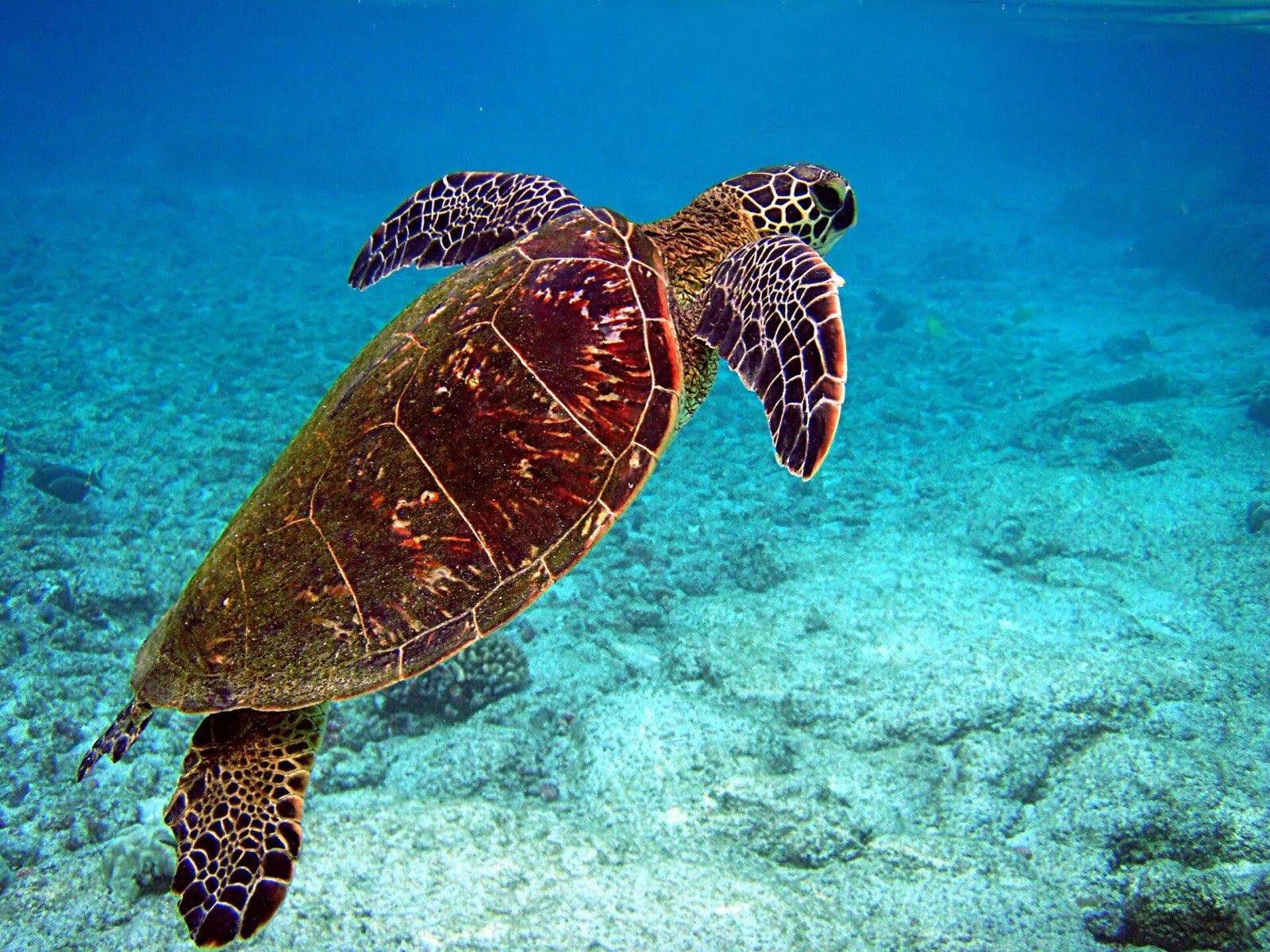
The most dependable wildlife appointment on the island happens at a working beach near Westpunt, where fishermen clean the day's catch at the pier and green sea turtles patrol the shallows like regulars who know the kitchen staff. Watch from the pier, or slip into the water at a respectful distance: no touching, no chasing, no feeding, no flash, and give them a clear lane when they rise to breathe. The fishermen set the rhythm here, and the beach is their workplace first; the turtles stay because both halves of that arrangement are respected. Entry points, conditions, and the wider underwater cast are in our guide to snorkeling in Curaçao.
III.Iguanas: everywhere the sun is
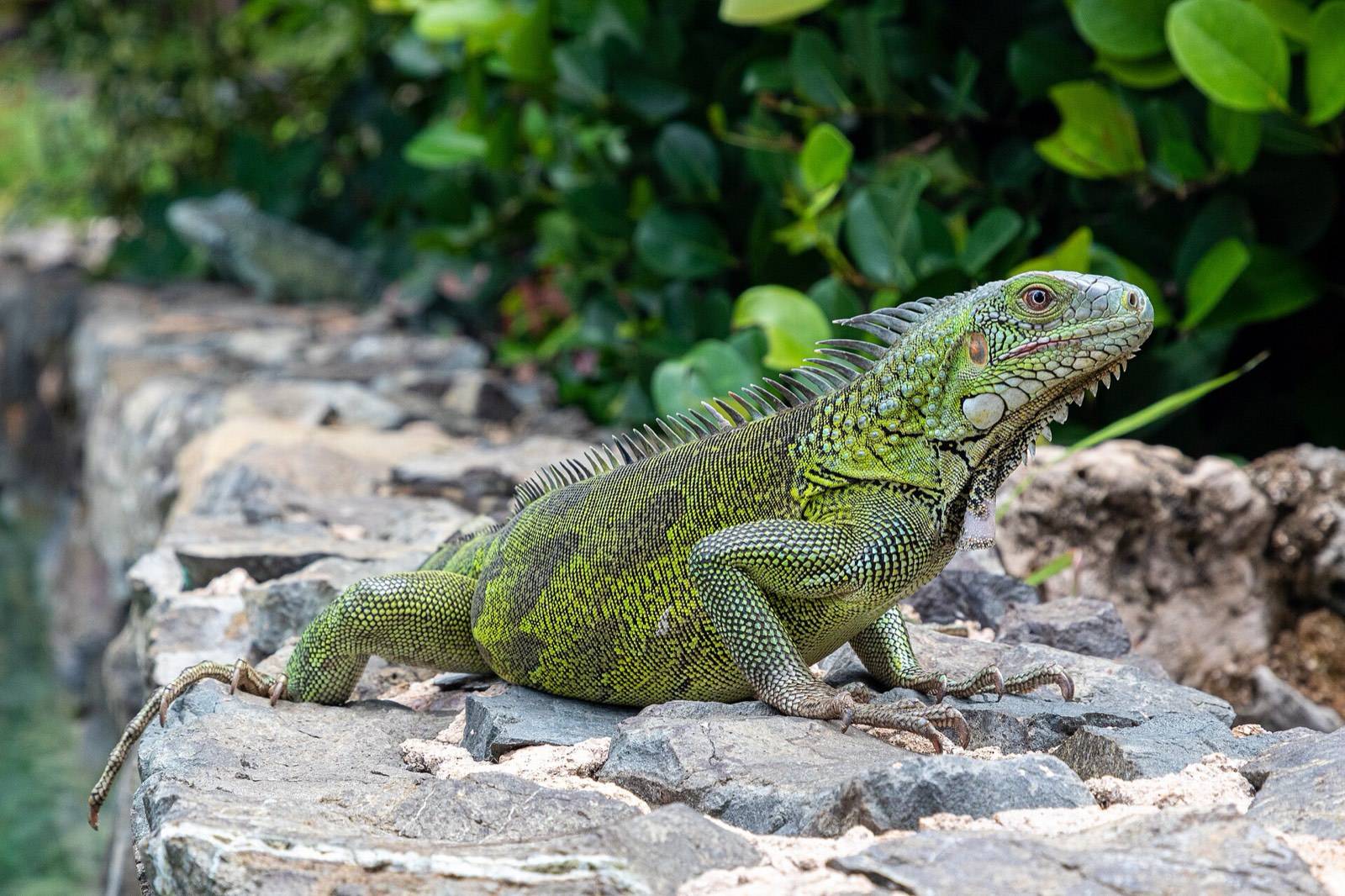
You will not need directions. Green iguanas drape themselves over seawalls, branches, fort ramparts, and restaurant terraces, ancient and unbothered, eyeing your fruit plate with prehistoric patience. They are harmless when left alone, which is the operative phrase: do not hand-feed them, however persuasively the big males lobby. A fed iguana becomes a pushy iguana, and a pushy iguana ruins more lunches than rain does.
IV.The dawn shift: trupials, hummingbirds, and the sugar thieves
Set one alarm for the birds and you will not regret it. In the first hour after sunrise the island is loud with them: bright orange trupials whistling from the high branches, hummingbirds working the flowering trees, and bananaquits, the little yellow sugar thieves, raiding any cafe table with an unguarded bowl. A city courtyard does fine; the courtyards of Otrobanda wake well before our guests do. The dry forest of Christoffel National Park does better still, and it shelters the island's shyest resident, the Curaçao white-tailed deer, which moves in the same cool hours.
V.Bats: the night workers of Hato Caves
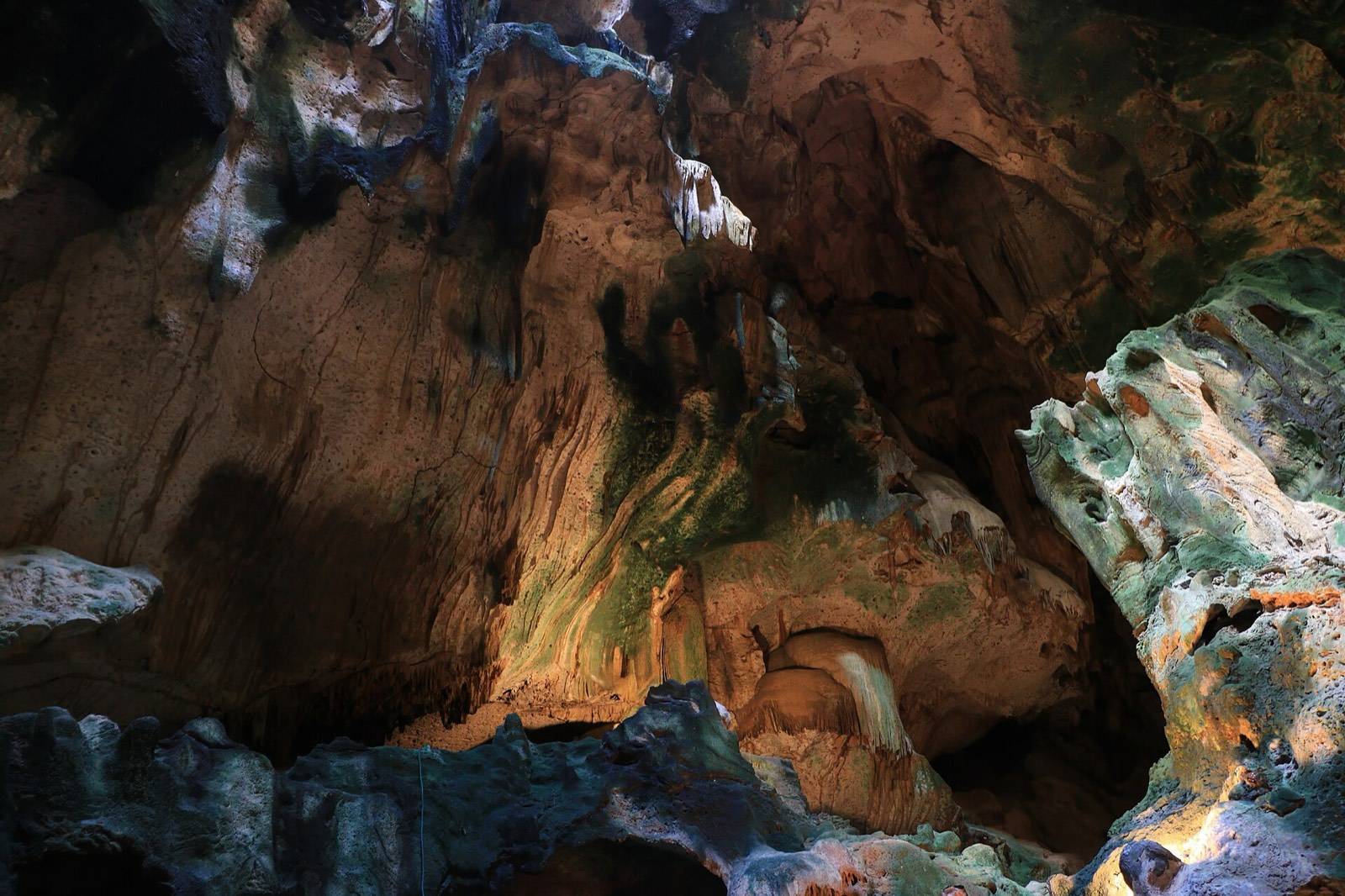
North of town near the airport, Hato Caves keeps the island's strangest household: colonies of bats roosting in limestone chambers hung with formations, including nectar feeders that pollinate the island's cacti after dark. Guided visits walk you through, the roosting chambers stay dim, and flash photography stays off, for good reason. It is the rare wildlife stop that improves at midday, when the heat outside is at its worst and the caves are not.
VI.The supporting cast
Keep your eyes open between the headline acts. Whiptail lizards flash blue-green across every trail. Hermit crabs commute through the beach scrub. Goats and the occasional donkey amble the western roads with the confidence of shareholders, so drive gently out there. Sea turtle nests hide in the pebbled coves of Shete Boka on the rough north coast, admired from behind the markers. And on the open-water crossing to Klein Curaçao, dolphins sometimes shadow the boats, an escort nobody books and nobody forgets.
VII.The manners: how the island stays wild
The rules are short, and they are the whole game. Keep a generous distance and let every animal decide the encounter. Never feed anything, anywhere; one cracker rewires a wild animal faster than you would believe. No touching, no flash, no drones over the salinas. Stay behind ropes and markers, and take nothing from beach or forest but photographs. Children take to all of this quickly when it is framed as the house rules of someone else's home, which is exactly what it is; our family itinerary builds a gentle, animal-first day around these stops.
VIII.The addresses at a glance
| Animal | Reliable address | Best hour |
|---|---|---|
| Flamingos | Jan Kok salina and the flats near Sint Willibrordus | morning and late afternoon |
| Green sea turtles | Playa Piskado, near Westpunt | whenever the catch is being cleaned |
| Iguanas | every warm wall and branch on the island | all day |
| Trupials and hummingbirds | gardens, courtyards, dry forest | the first hour after sunrise |
| Bats | Hato Caves, near the airport | guided visits, best at midday |
| White-tailed deer | Christoffel National Park | the cool hours |
None of it is staged, which is the point. The flamingos do not know you flew in, the turtles owe you nothing, and the morning you finally catch all of them keeping their appointments will outlast every beach photo on your phone.
Questions travelers ask
Straight answers from the front desk.
Where can I see flamingos in Curaçao?
Can you swim with sea turtles in Curaçao?
Are there dangerous animals on Curaçao?
What is the best time of day to see wildlife in Curaçao?
Is Curaçao good for children who love animals?
Keep exploring
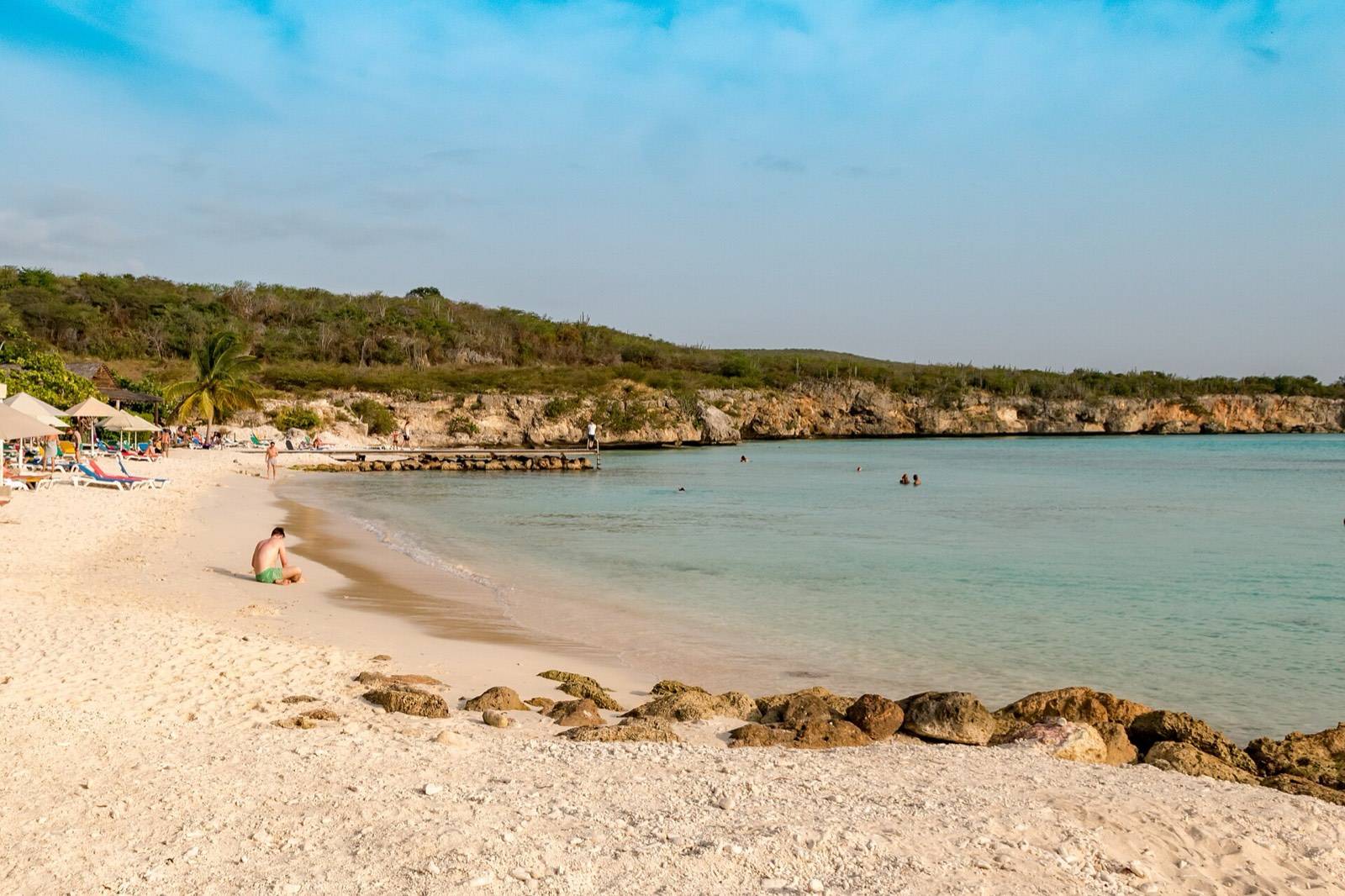
Curaçao with kids: a family itinerary built on calm water and naps
Curaçao with kids, planned by locals: calm-water beaches, a turtle morning, caves and flamingos, and a…
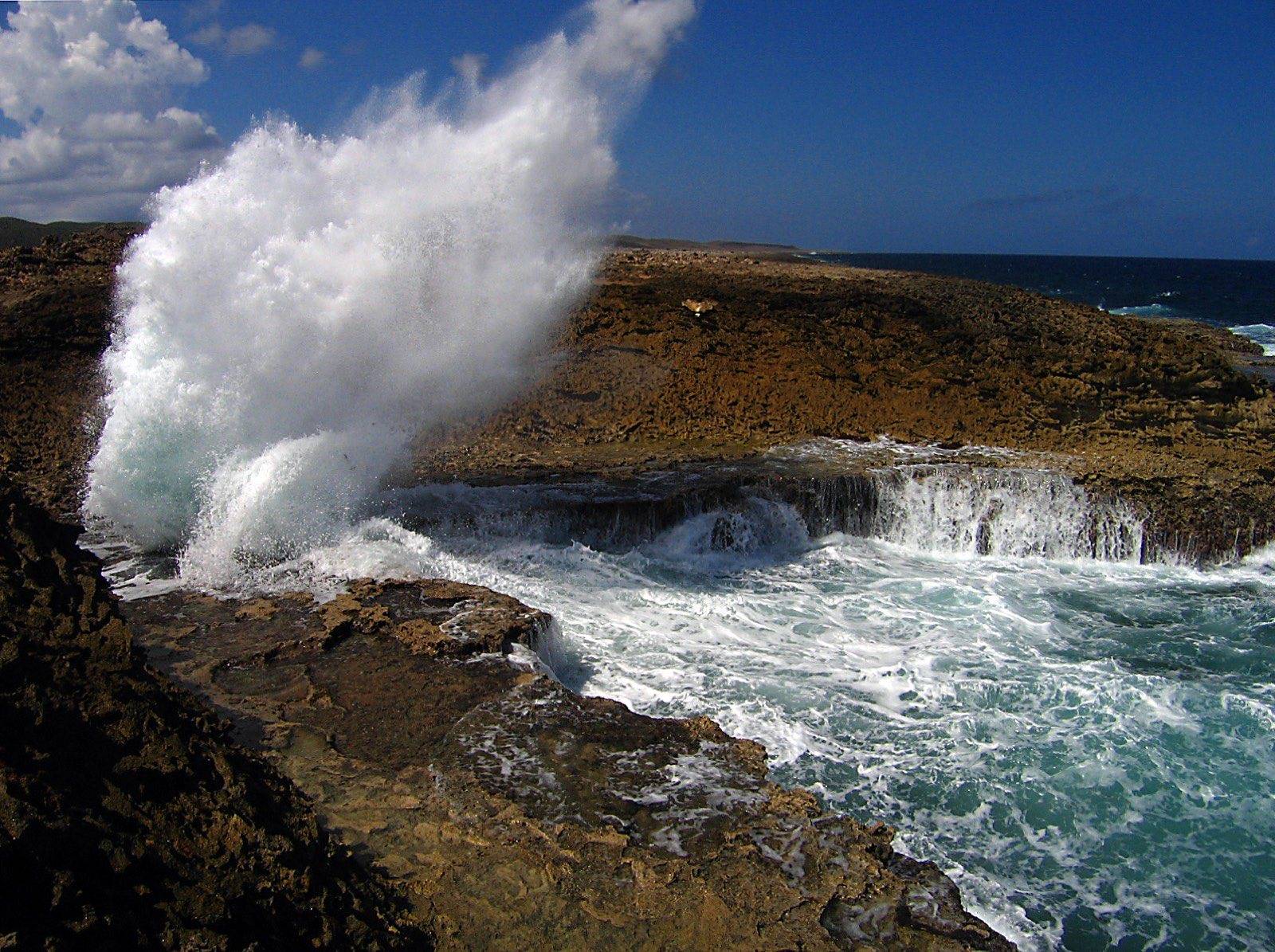
Shete Boka National Park: where Curaçao roars
Shete Boka National Park guide: the seven wave-carved inlets, the booming cave at Boka Tabla, Boka Pistol…
Snorkeling in Curaçao: the shore-entry spots worth your morning
Snorkeling in Curaçao from shore: turtles at Playa Piskado, the Tugboat wreck, Playa Lagun and Porto Mari…
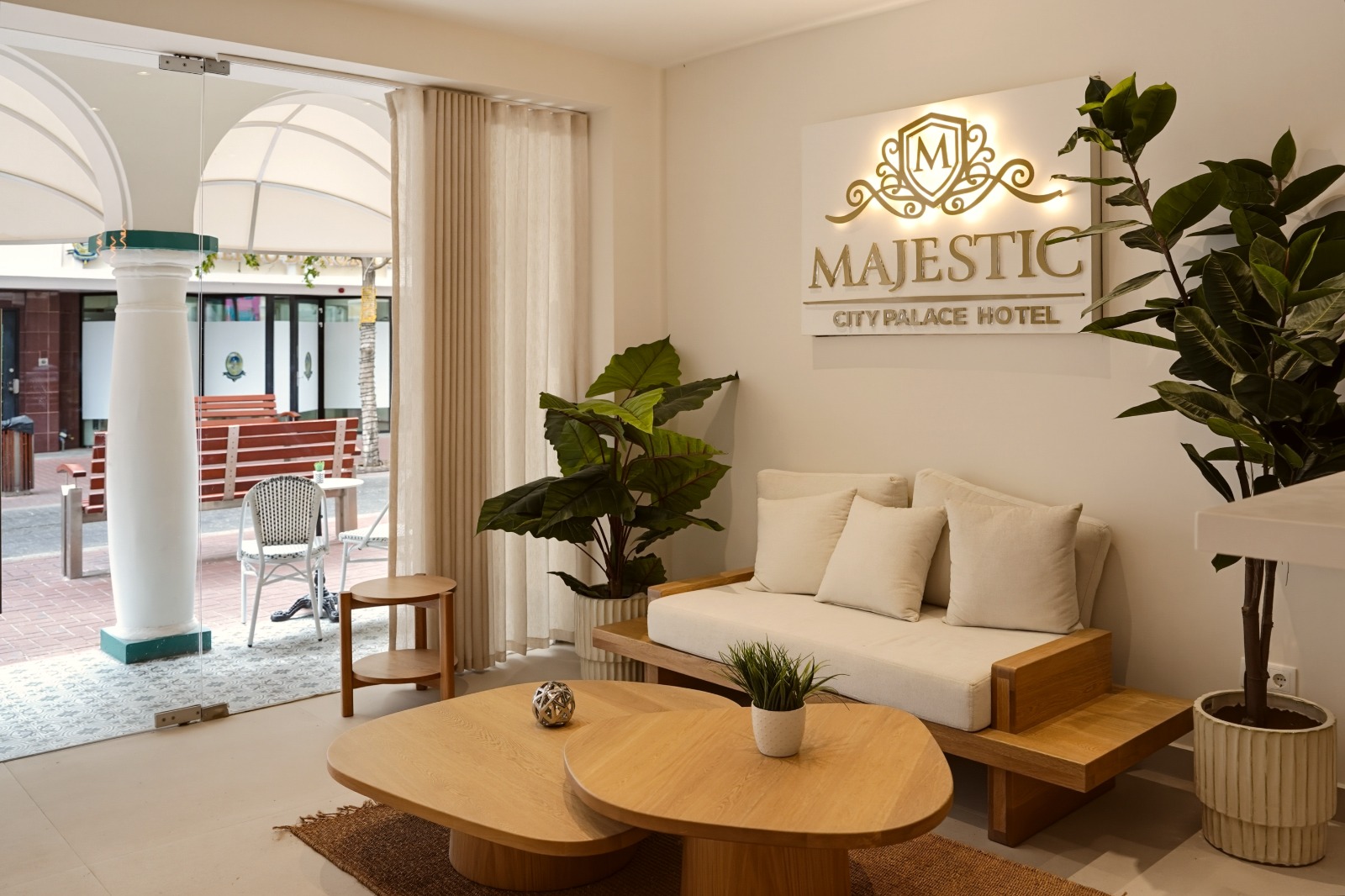
A restored 1892 monument, steps from everything in this guide.
Eighteen boutique rooms across five categories on Breedestraat, Punda. Signature balconies over the main street, and the Van Gogh café pouring espresso downstairs. Reserve your room on Airbnb in a few taps.