
Ask a room of divers to name the Caribbean's shore-diving capital and Bonaire answers before the question ends. Next door, her bigger sister runs the same playbook, calm leeward reefs, walk-in entries, a fringing wall close to shore, and adds something Bonaire cannot: a UNESCO World Heritage city to come home to. Diving in Curaçao is the sport's best-kept open secret, and it rewards the diver who wants reef in the morning and architecture at night. This guide explains how to dive it well.
I.Why Curaçao is the underrated one
The case rests on three pillars. First, geography: the dive coast faces south and west, away from the trade winds, so the sites sit in the island's own lee and the sea stays workable most days of the year. Second, access: the fringing reef hugs the shore, which means many sites begin a short swim from dry sand, no boat required. Third, variety: wrecks from snorkel-shallow to genuinely serious, coral architecture like the Mushroom Forest, and dozens of named sites spread along the island's length. Bonaire built its fame on the same ingredients; Curaçao simply never marketed them as loudly, which suits the divers who know. If you are choosing between the two islands, our Curaçao vs Bonaire comparison weighs them honestly.
II.How shore diving works here
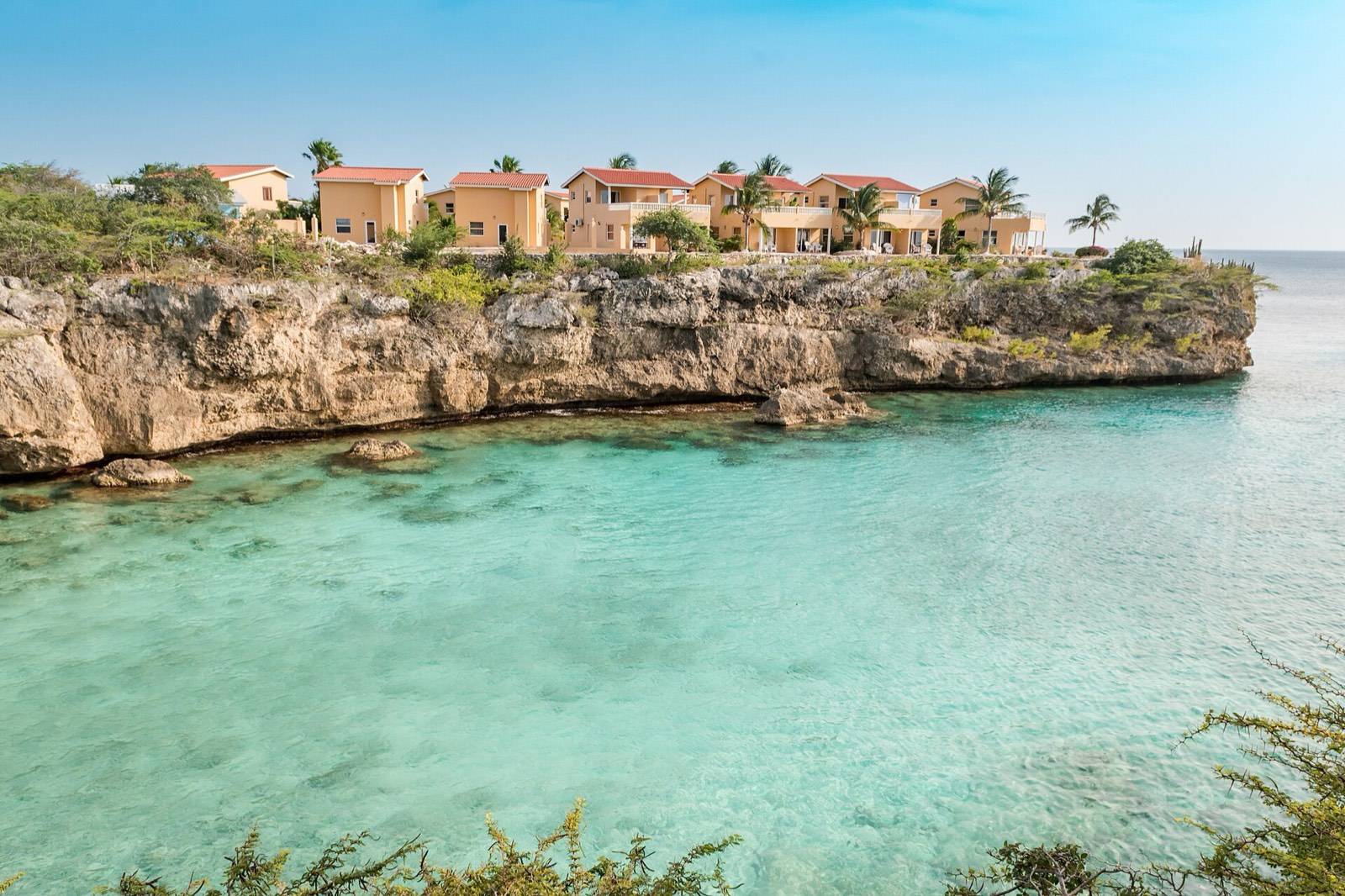
The routine could not be simpler, which is the addiction. Operators along the coast rent tanks and weights to certified divers; you load the car, drive to a marked entry, gear up on the sand, and walk in. Navigation is friendly too: most reefs run parallel to shore, so the classic profile is out along the wall, back through the shallows, with the beach as your compass. Sites cluster around the beaches you would visit anyway: the west-end coves, the central bays, the Caracasbaai peninsula in the southeast. Surface intervals happen under a palapa with a cold drink rather than on a pitching deck. For divers who learned on boat schedules, the freedom takes a day to trust and a career to give up. Bring your certification card; every shop will ask, as they should.
III.Tugboat and the Caracasbaai peninsula
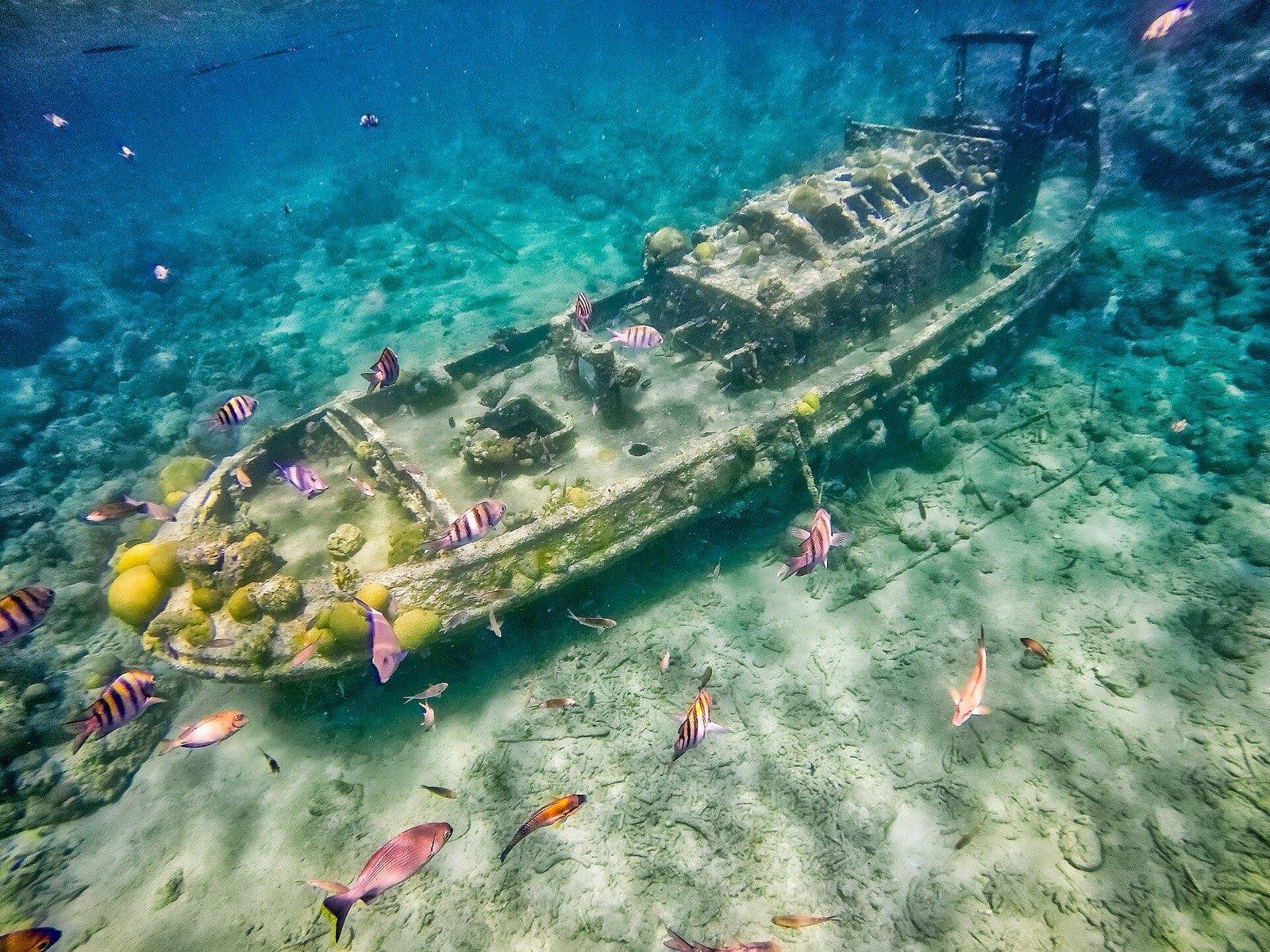
The gentlest introduction is Tugboat, at Caracasbaai, where a small wreck sits upright in water shallow enough for snorkelers and generous enough for a long, unhurried first dive of the trip. The tug wears decades of coral and makes an obliging photo subject, while the wall along the adjacent cliffs gives the dive its second act, sloping away into blue with sponges and gorgonians. Because the site is shallow, forgiving, and minutes from town, instructors favor it for checkouts and refreshers; expect company, and go early to have the wreck to yourselves. Around the peninsula, quieter entries reward divers who like their reefs unattended.
IV.The Superior Producer: the famous one
Every dive island keeps one marquee dive, and Curaçao's is the Superior Producer, a cargo ship that went down just outside the harbor entrance and settled upright on the sand, where the sea has spent decades upholstering her in orange cup corals. Divers speak of her the way climbers speak of certain faces: with affection and respect in equal measure. She lies deep, the current near the harbor mouth can run without notice, and the site is emphatically not a first-week-of-certification dive. Go with a local guide who reads the conditions daily, plan her as the technical highlight of the trip rather than its warm-up, and you will understand why she appears on shortlists of the Caribbean's great wrecks. When conditions say no, they mean it, and good operators will reschedule without apology.
The Producer is not a dive you squeeze in. She is a dive you build a day around, and she decides whether you are ready.
V.Mushroom Forest and the boat dives
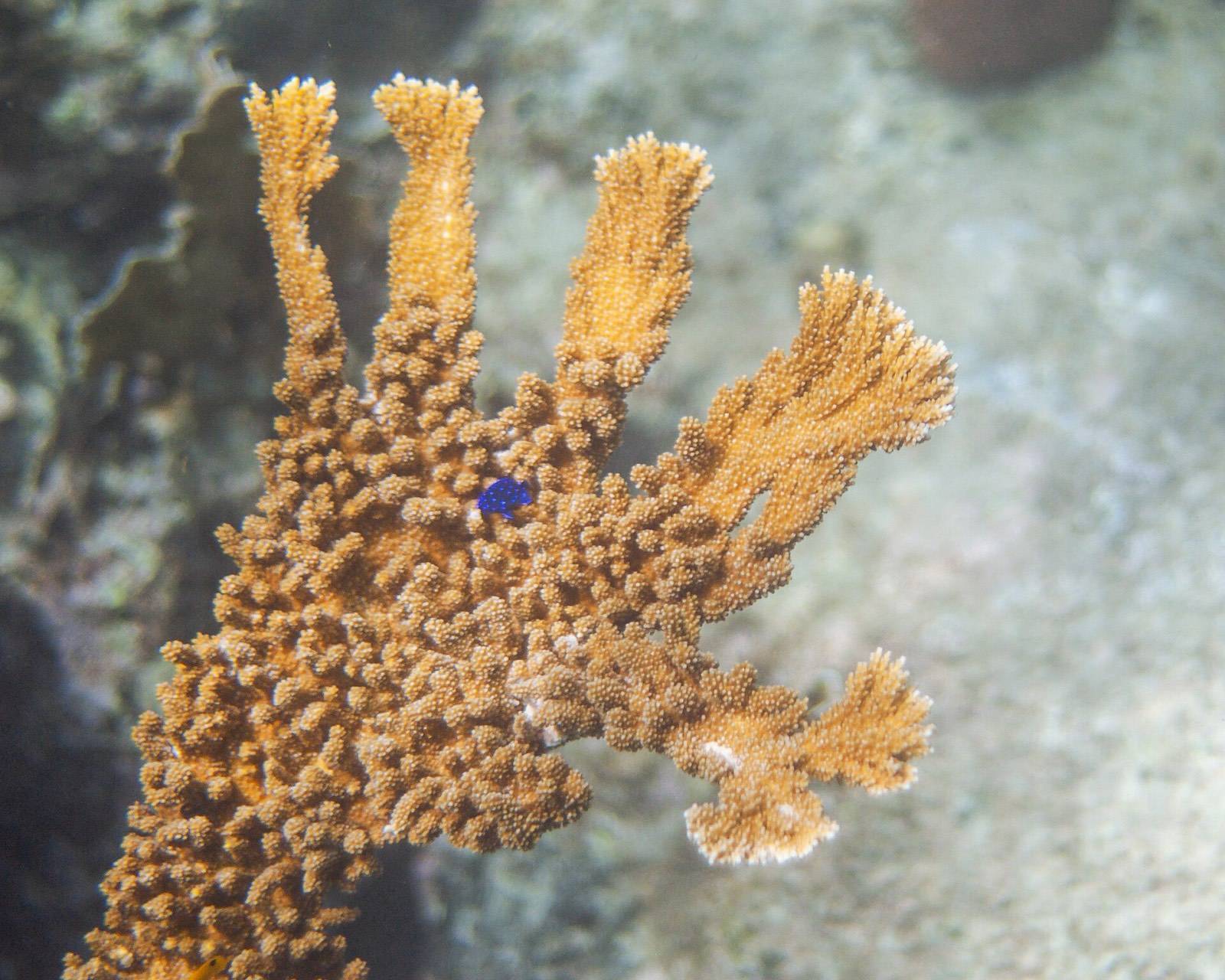
The west end keeps the island's strangest seascape. The Mushroom Forest is a plateau where massive star corals have eroded at their bases into freestanding, mushroom-shaped towers, a sculpture garden the size of a city block, usually visited by boat from the western dive shops. Operators often pair it with a swim into a vaulted sea cave nearby, where the light does improbable things. Conditions on this more exposed corner want a calm day, so keep plans flexible and let the shop make the call. A boat morning out west pairs naturally with an afternoon at the Westpunt beaches.
VI.Choosing an operator
The island has more dive shops than the brochure rack suggests, and the good ones share habits you can check from a distance. Small groups, ideally a handful of divers per guide rather than a barge of them. A real conditions briefing, including the willingness to cancel the Producer when the sea argues. Marine-park ethics as the default: no touching, no gloves on the reef, buoyancy checks for unfamiliar divers, moorings over anchors. Rental gear that looks maintained rather than survived. And honest counsel about which sites match your logbook instead of your wishes. Certification agencies matter less than culture. Ask how a shop handles a blown forecast; the answer tells you everything. Our concierge keeps notes on operators guests have loved, and arranging a pickup from town is rarely a problem.
VII.Conditions, seasons, and what to expect
The leeward coast behaves most of the year. Seas are typically calm on the south and west shores, visibility tends to be generous by Caribbean standards, and the water sits around 80°F, which most divers handle in a thin suit or a long rash guard. The trade winds blow nearly year-round but spend themselves on the north coast, where no one dives anyway. Showers cluster loosely from October to December and pass quickly, more an interlude than a season. If your travel window falls in those months, build the schedule around mornings; the light is soft, the sea is often at its calmest, and the afternoon shower dries before your gear does. None of this is a promise, and the honest phrasing is the local one: most days are diveable, and the rare day that is not usually offers a sheltered alternative somewhere along 38 miles of coast.
VIII.The other half of the trip
Here is what Bonaire cannot offer and Curaçao quietly does: a surface interval measured in centuries. Between dives you have the pastel waterfront, the floating market, dinner streets in restored townhouses, and the bridge swinging open for ships at dusk. Non-diving partners get shore snorkeling that rivals the diving, and the boat day to Klein Curaçao suits mixed groups perfectly. From our door in Otrobanda, guests walk to dinner with salt still in their hair, which is, as far as we can tell, the entire point of a dive island with a city on it.
Questions travelers ask
Straight answers from the front desk.
Is Curaçao good for scuba diving?
Can you shore dive in Curaçao like Bonaire?
Is the Superior Producer wreck for beginners?
What is the Mushroom Forest in Curaçao?
When is the best time to dive in Curaçao?
Keep exploring
Curaçao vs Bonaire: the honest comparison for divers and everyone else
Curaçao vs Bonaire compared: shore diving, snorkeling, beaches, city life, flights, and costs. An honest…
Klein Curaçao: how to do the uninhabited-island day trip right
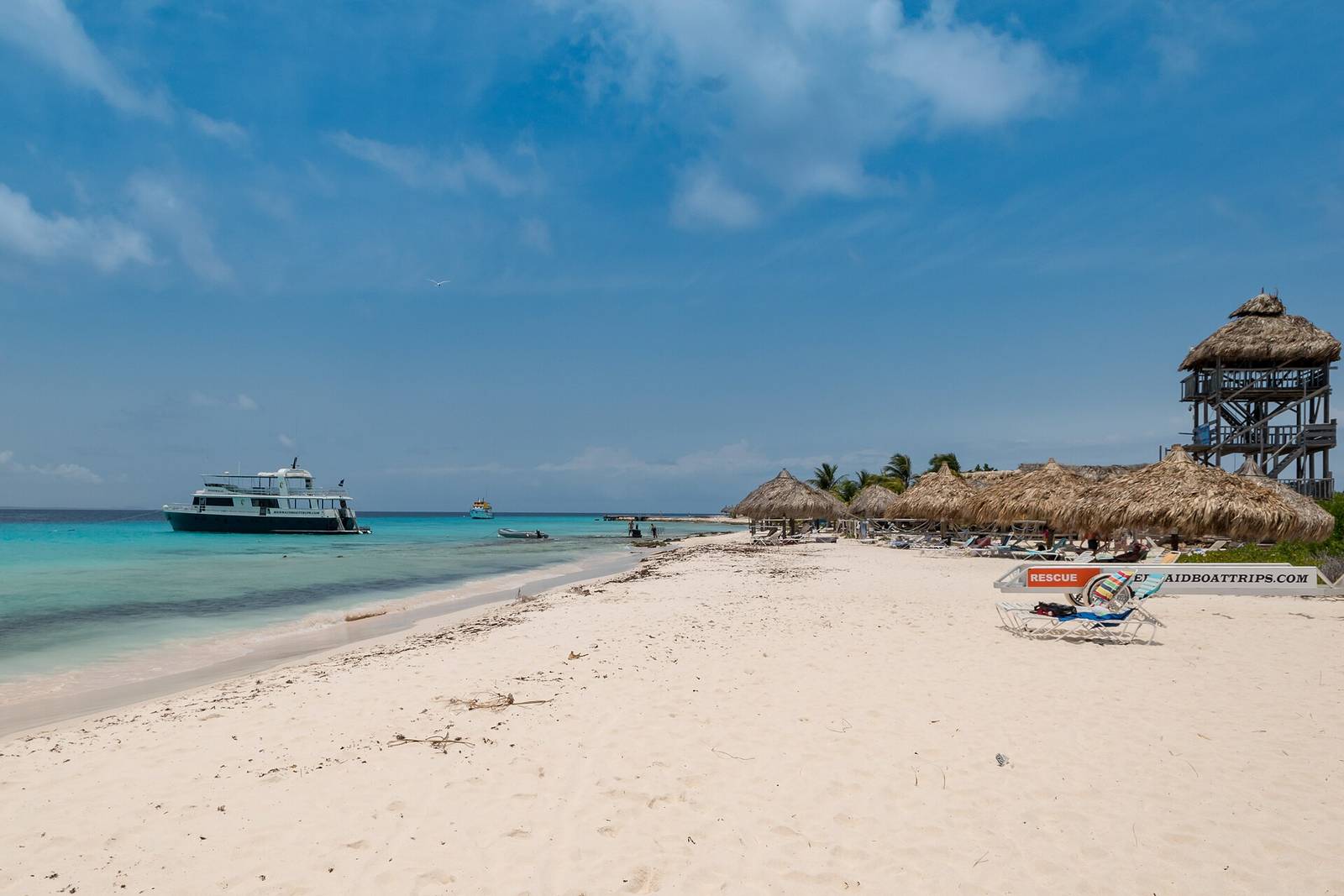
Klein Curaçao day trip guide: how the boats work, the two-hour crossing, the lighthouse walk, what to pack…
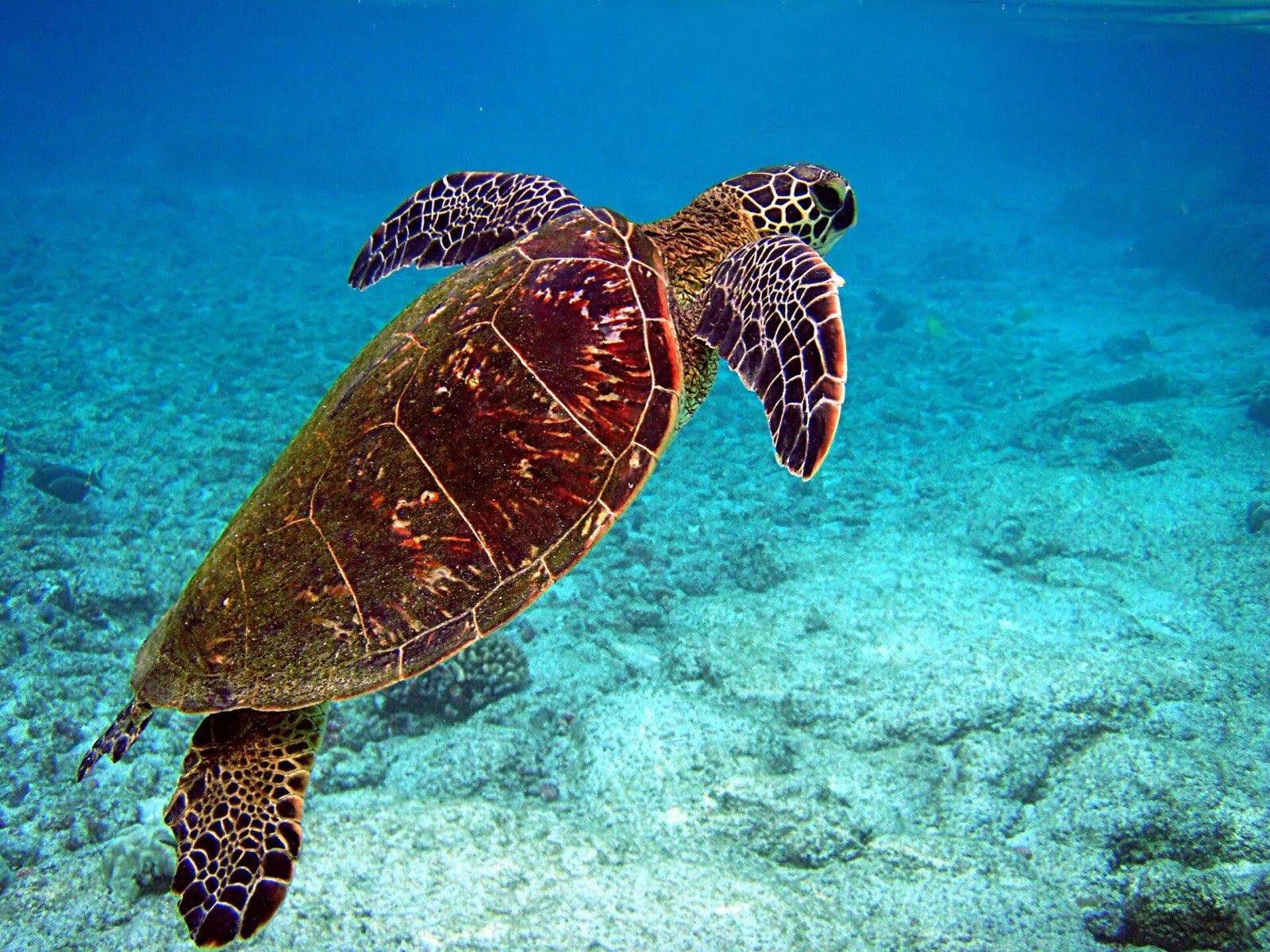
Snorkeling in Curaçao: the shore-entry spots worth your morning
Snorkeling in Curaçao from shore: turtles at Playa Piskado, the Tugboat wreck, Playa Lagun and Porto Mari…
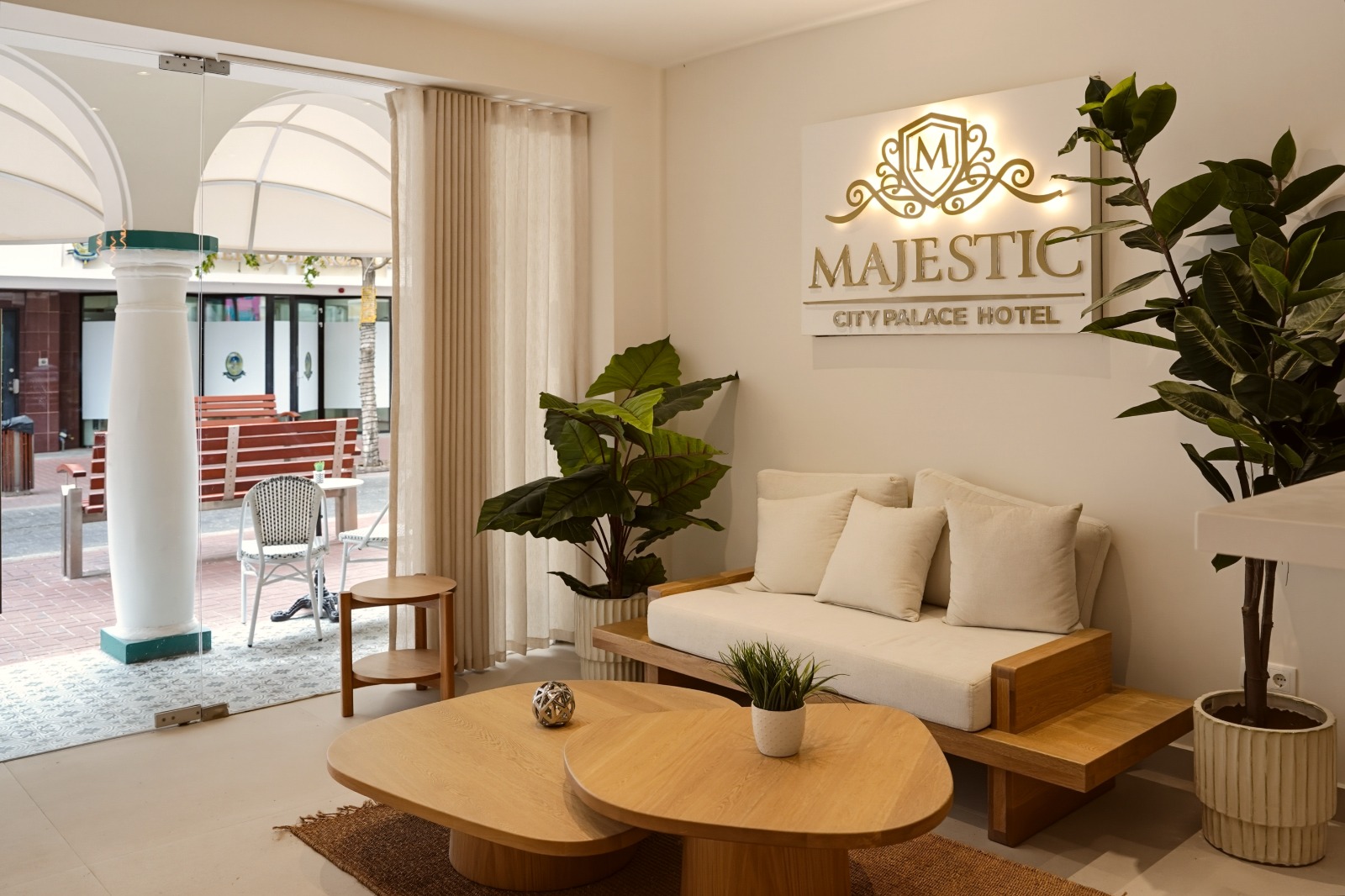
A restored 1892 monument, steps from everything in this guide.
Eighteen boutique rooms across five categories on Breedestraat, Punda. Signature balconies over the main street, and the Van Gogh café pouring espresso downstairs. Reserve your room on Airbnb in a few taps.