
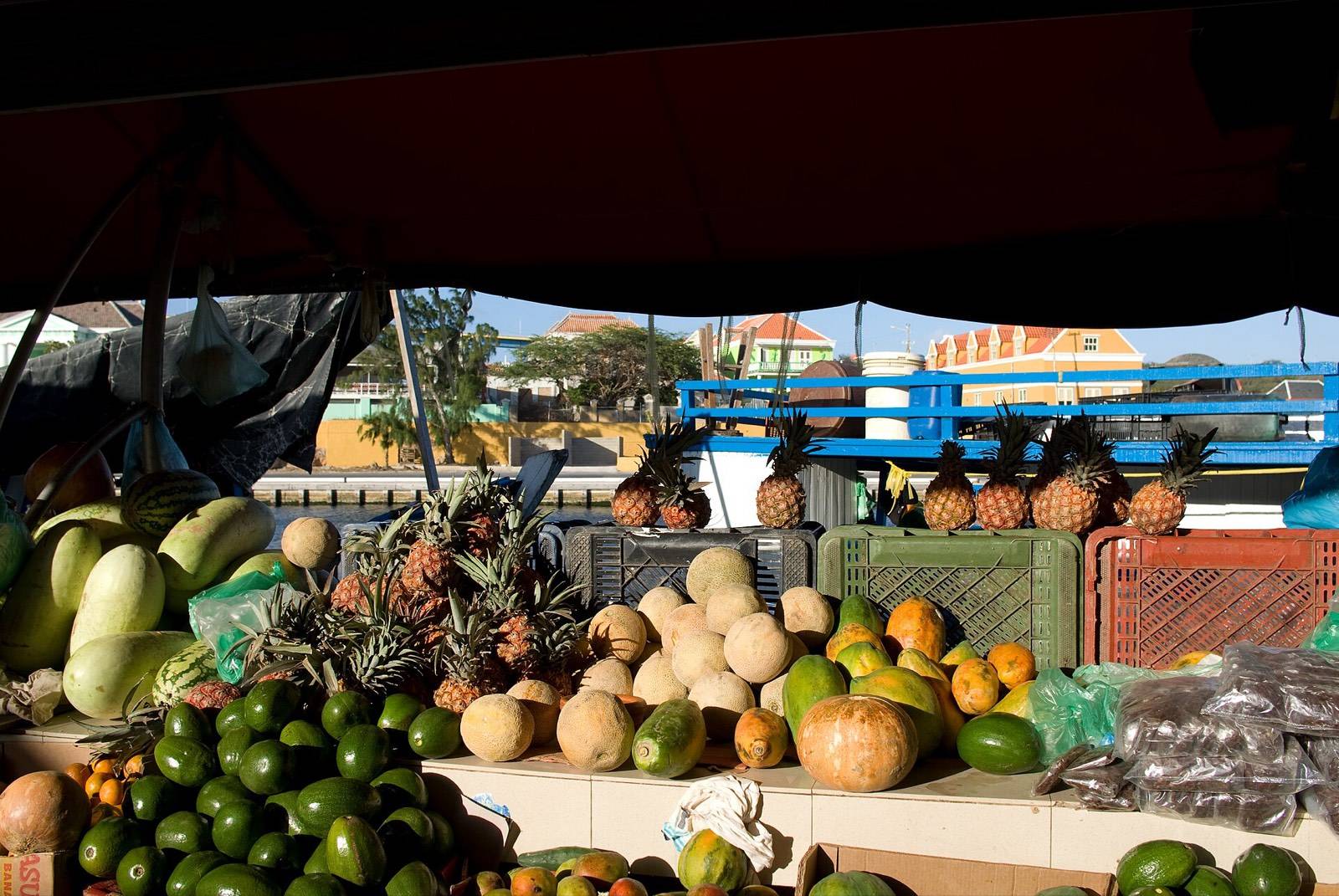
The first thing to understand about eating in Willemstad is that the city does not organize itself around restaurants. It organizes itself around hours and neighborhoods. There is a covered market that serves lunch and nothing after it, a restored quarter that only wakes at dinnertime, a waterfront that charges for the view, and a fishing village at the end of the island road where the menu is whatever came off the boats that morning. Learn the scenes and their hours, and you will eat better here than any ranked list can promise.
This is the map we sketch for guests at our front desk in Otrobanda, scene by scene, with the only two names you actually need to memorize.
I.Plasa Bieu: lunch the old way
Begin with the institution. Plasa Bieu, the Old Market behind Punda's waterfront, is a long hall of open kitchens where a row of cooks has fed the working city for generations. The pots go on in the morning and run until they are empty: stewed goat, beef stoba, chicken in Creole sauce, the day's catch fried whole or simmered in sauce, all of it beside funchi, the firm cornmeal side that does the job rice does elsewhere. Tables are long and shared, plates are generous, and the bill lands near the cost of a casual lunch back home, settled mostly in cash.
There is no menu theater here. You walk the row, look into the pots, point at what looks right, and take the seat you are offered. Conversation with strangers is part of the service, and so is watching the cooks work at a pace set decades ago. When the food runs out, the kitchens close, which is the most honest closing time in the business. This is lunch culture, full stop: come at midday or not at all.
II.Punda: coffee, pastechi, and the one-street-back rule
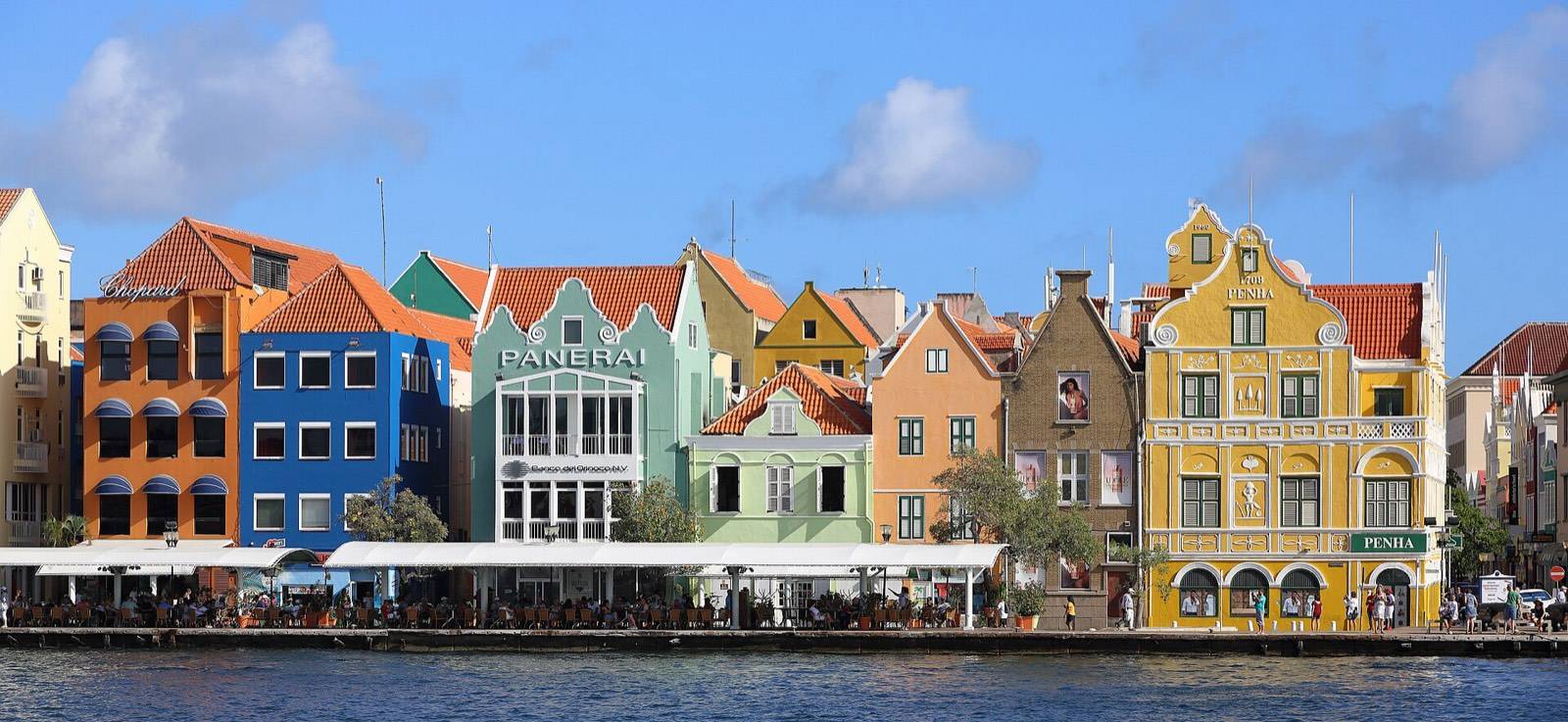
Punda's waterfront tables face the painted facades of the Handelskade across the water, which is the prettiest urban view in the Caribbean, and they price the postcard accordingly. Have a cold drink there once, ideally at golden hour, and consider it admission fairly paid. For the eating itself, follow the locals one street inland, where cafes and snack windows cook for people who will be back next week and will judge accordingly.
Pay for the view once. After that, eat one street back, where the kitchen has to earn you twice.
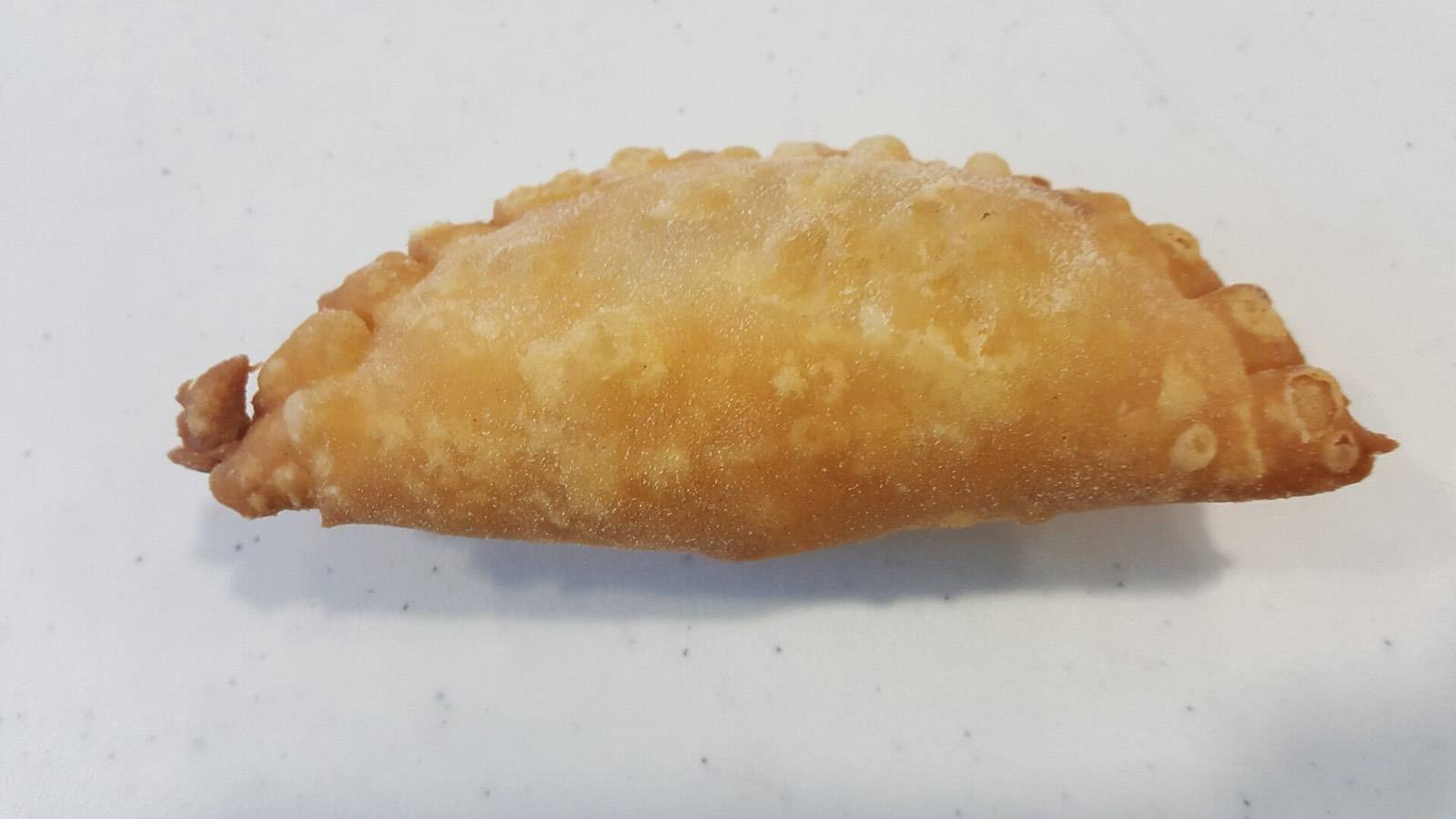
Morning is Punda's best meal. A pastechi, the golden half-moon pastry filled with cheese or spiced meat, eaten warm with a fresh juice, is morning bite as the island actually takes it. Walk it off among the fruit boats of the Floating Market, where Venezuelan traders have moored to sell produce for generations; their mangoes and papayas become the batidos, the fresh fruit shakes you should be drinking daily. The full circuit of lanes and corners is in our guide to things to do in Punda, and on Thursday evenings the quarter turns into a street celebration worth planning dinner around, covered in our Punda Vibes guide.
III.Pietermaai: the dinner row
When the light goes amber, walk east. Pietermaai, the third quarter of the UNESCO city, spent its first life as a row of merchants' townhouses and has been restored into the island's densest dinner street: courtyards behind iron gates, dining rooms under old roof beams, candles on stone sills. The cooking runs from island fish to Latin grills to European plates, and the standard stays high because the competition is ten steps away in either direction.
The smart approach is to walk the strip end to end once before committing. Menus are posted, courtyards are visible from the sidewalk, and the room that feels right at a glance usually is. Reservations are rarely needed outside holiday weeks, though the smallest dining rooms, some with barely a dozen tables, reward a call ahead. Your hotel can make it for you.
IV.Otrobanda: the neighborhood table
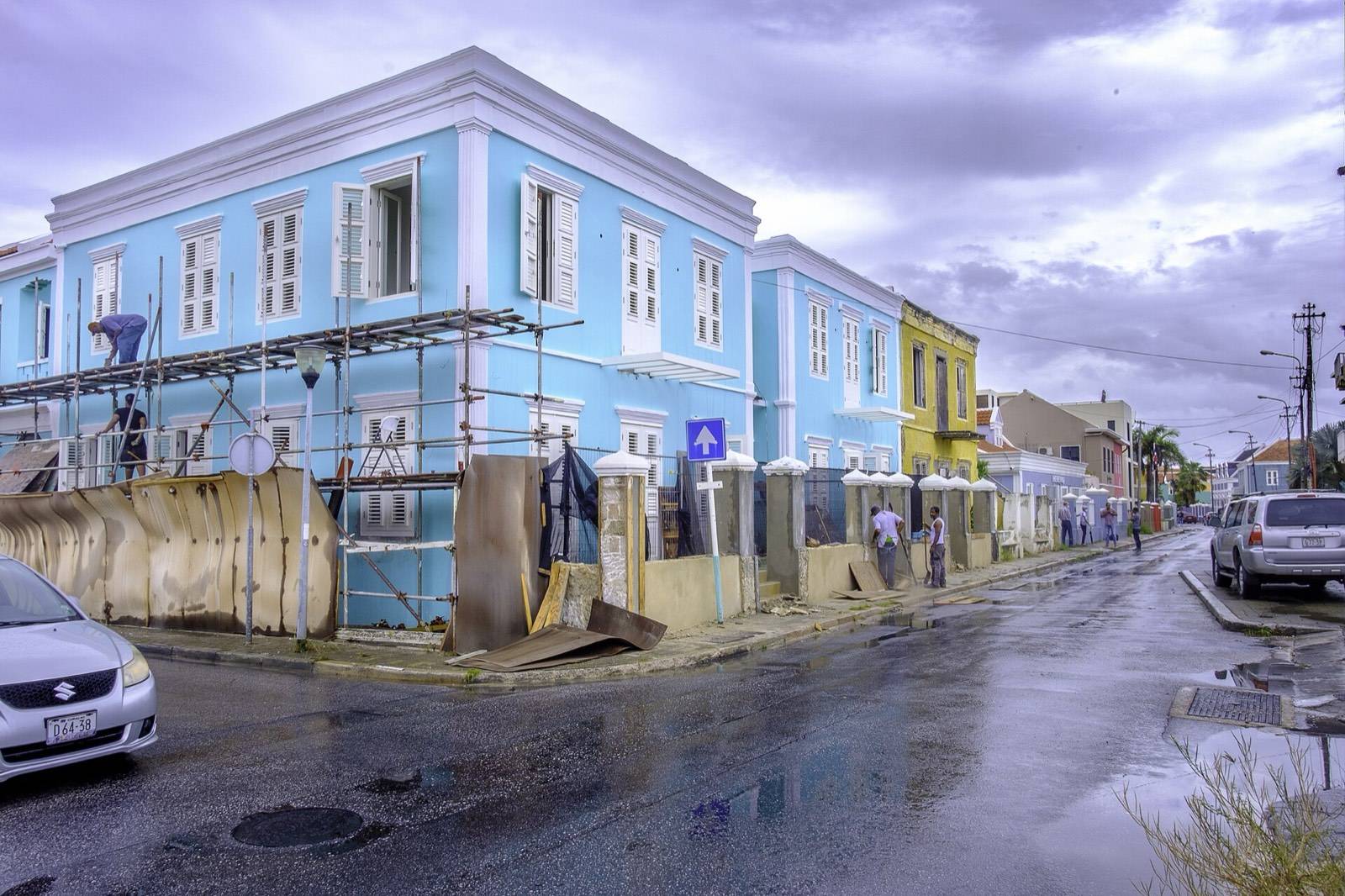
Cross the Queen Emma Bridge and the eating changes register. Otrobanda, the other side in Papiamentu, eats like a neighborhood rather than a destination: snack windows on the side streets, family-run rooms with a handful of tables, plates built for people who work for a living. Portions grow, prices drop, and dinner conversation happens in four languages. There are fewer signs to follow here, which is rather the point; the unhurried wandering described in things to do in Otrobanda is exactly how you find the good ones. Sundays run quiet on this bank, so plan your Otrobanda eating for the other six days.
V.Westpunt: fish at the end of the road
Forty-five minutes west of town, where the island runs out of road, the fishing village of Westpunt operates on a simpler system: the boats come in, the catch gets cleaned, and the kitchens nearby cook it the same day. Order the catch of the day without asking further questions; it will be red snapper, mahi, or whatever else the sea decided, served with funchi or fries and a squeeze of lime. This is the natural lunch or early dinner after a west-end beach day, and the full route, with the beaches attached, is in our Westpunt guide.
VI.How to order like a local
A few habits separate the visitor who eats well from the one who merely eats nearby. First, order the catch of the day wherever fish is the business; the daily fish is the kitchen's pride, and the printed menu is for the hesitant. Second, take funchi as your side at least once; it tells you more about the island than any garnish could. Third, drink the juice. Fresh batidos and pressed juices are everywhere, cost a few dollars, and beat anything that comes from a bottle.
Then the manners. Greet before you order; a good morning or good afternoon opens every counter on the island. If the cook calls the food dushi, sweet and lovely in the local tongue, agree with her, because she is right. And close with Masha danki, thank you, which costs nothing and changes the temperature of every transaction. The dishes themselves, from keshi yena to stoba, get their full stories in our Curaçao food guide.
VII.The scenes at a glance
| Scene | Go for | The hour |
|---|---|---|
| Plasa Bieu | Market plates: stoba, fresh catch, funchi | Lunch only |
| Punda | Pastechi morning bites, coffee, one drink with the view | Morning, plus Thursday evenings |
| Pietermaai | The dinner row: courtyards and candlelight | After sunset |
| Otrobanda | Snack windows and family-run rooms | All day, quiet on Sundays |
| Westpunt | Catch of the day by the water | After the beach |
Eat by scene, in the right hour, and Willemstad will feed you the way it feeds its own. The city has been provisioning ships and strangers since 1634; you are in practiced hands.
Questions travelers ask
Straight answers from the front desk.
Where do locals eat lunch in Willemstad?
What is the best area in Willemstad for dinner?
Is the food in Willemstad expensive?
Do I need restaurant reservations in Willemstad?
What should I order at Plasa Bieu?
Keep exploring
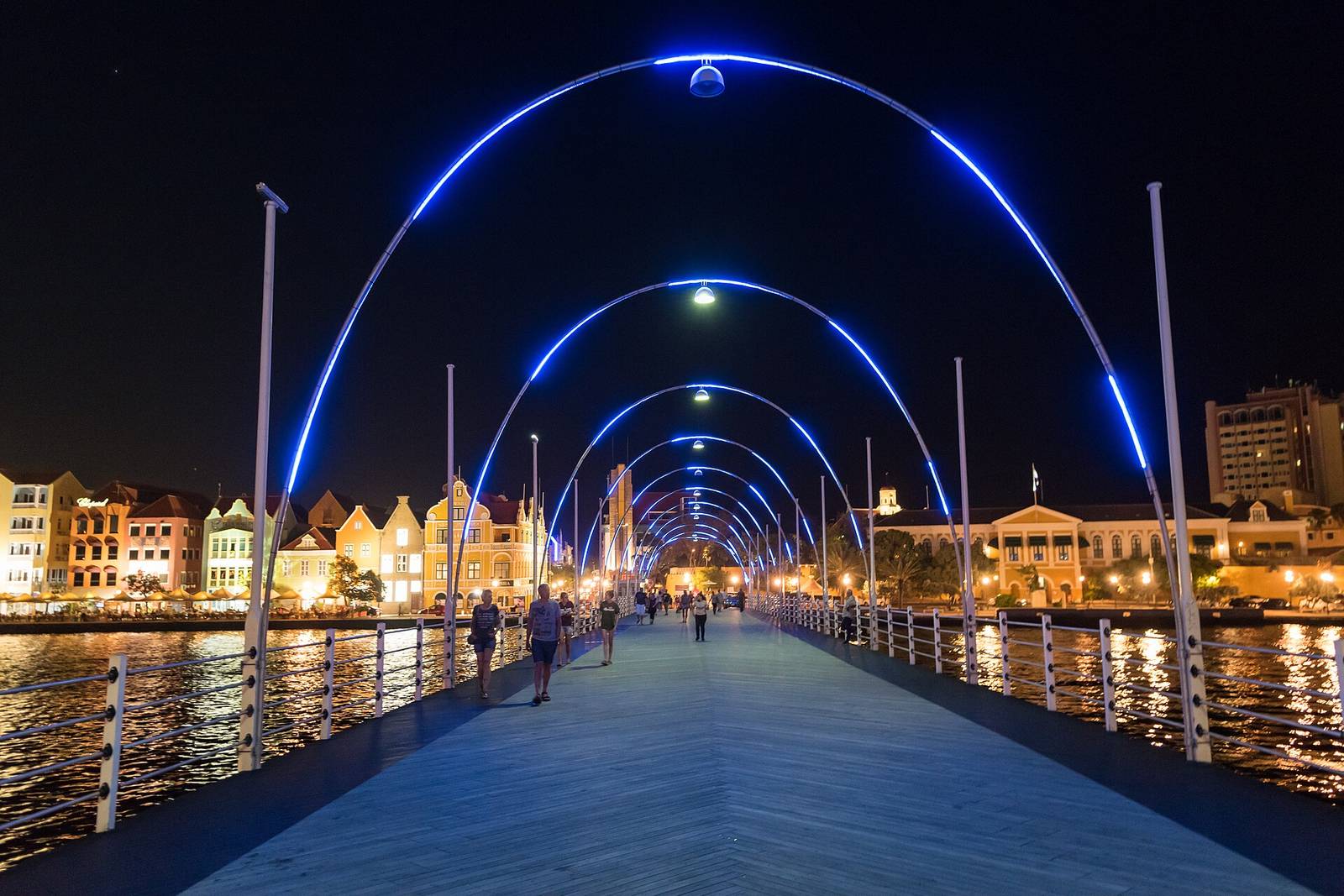
Punda Vibes: how to spend a Thursday evening in Willemstad
Punda Vibes is Willemstad's long-running Thursday evening street celebration: live music, open galleries…
Things to do in Punda: the painted heart of Willemstad
The best things to do in Punda, Willemstad: the Handelskade at first light, a sand-floored synagogue, the…
Curaçao food: the dishes that explain the island
Curaçao food explained: keshi yena, pastechi, funchi, stoba, the daily catch, and batidos, plus the…
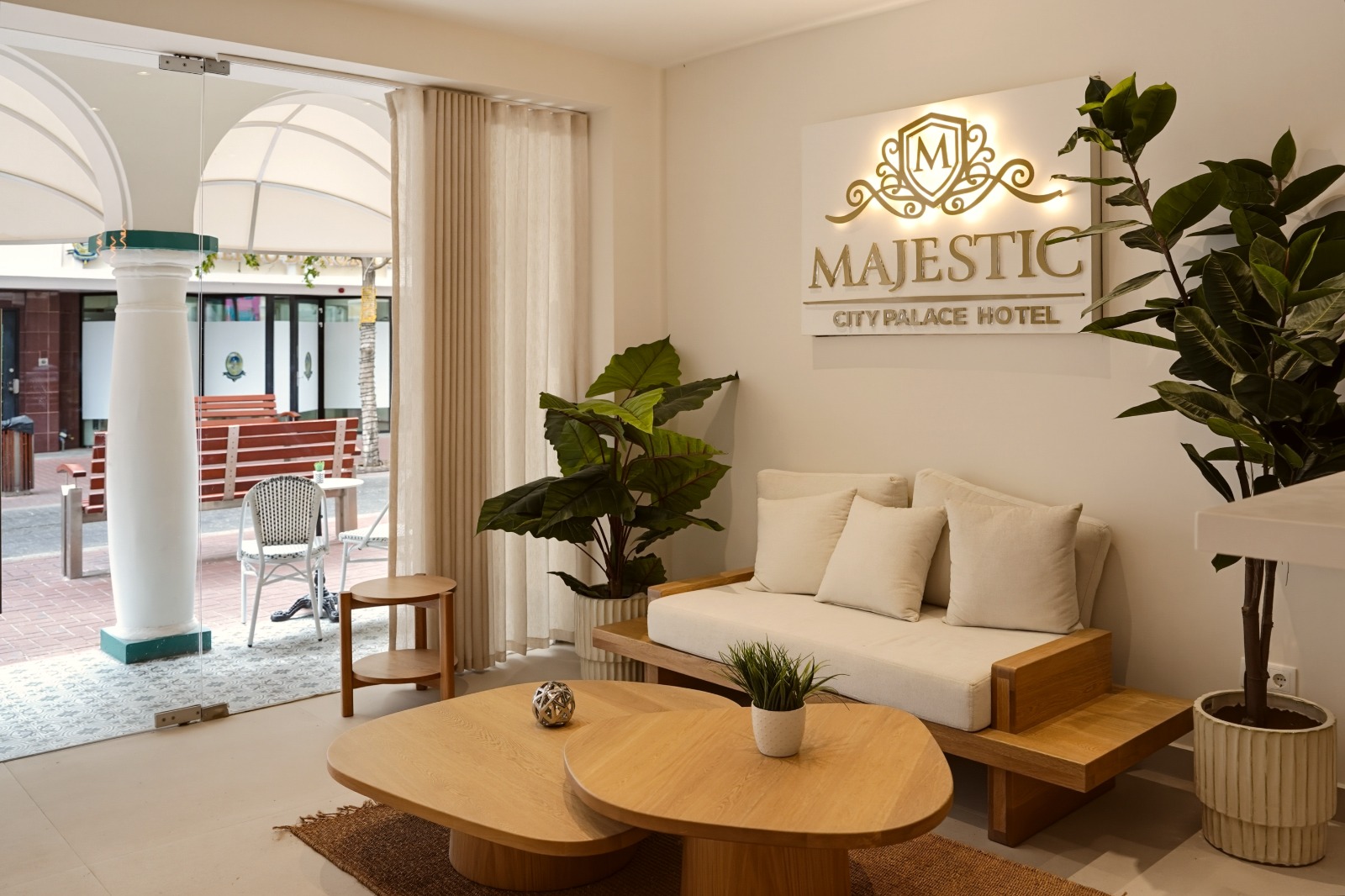
A restored 1892 monument, steps from everything in this guide.
Eighteen boutique rooms across five categories on Breedestraat, Punda. Signature balconies over the main street, and the Van Gogh café pouring espresso downstairs. Reserve your room on Airbnb in a few taps.