
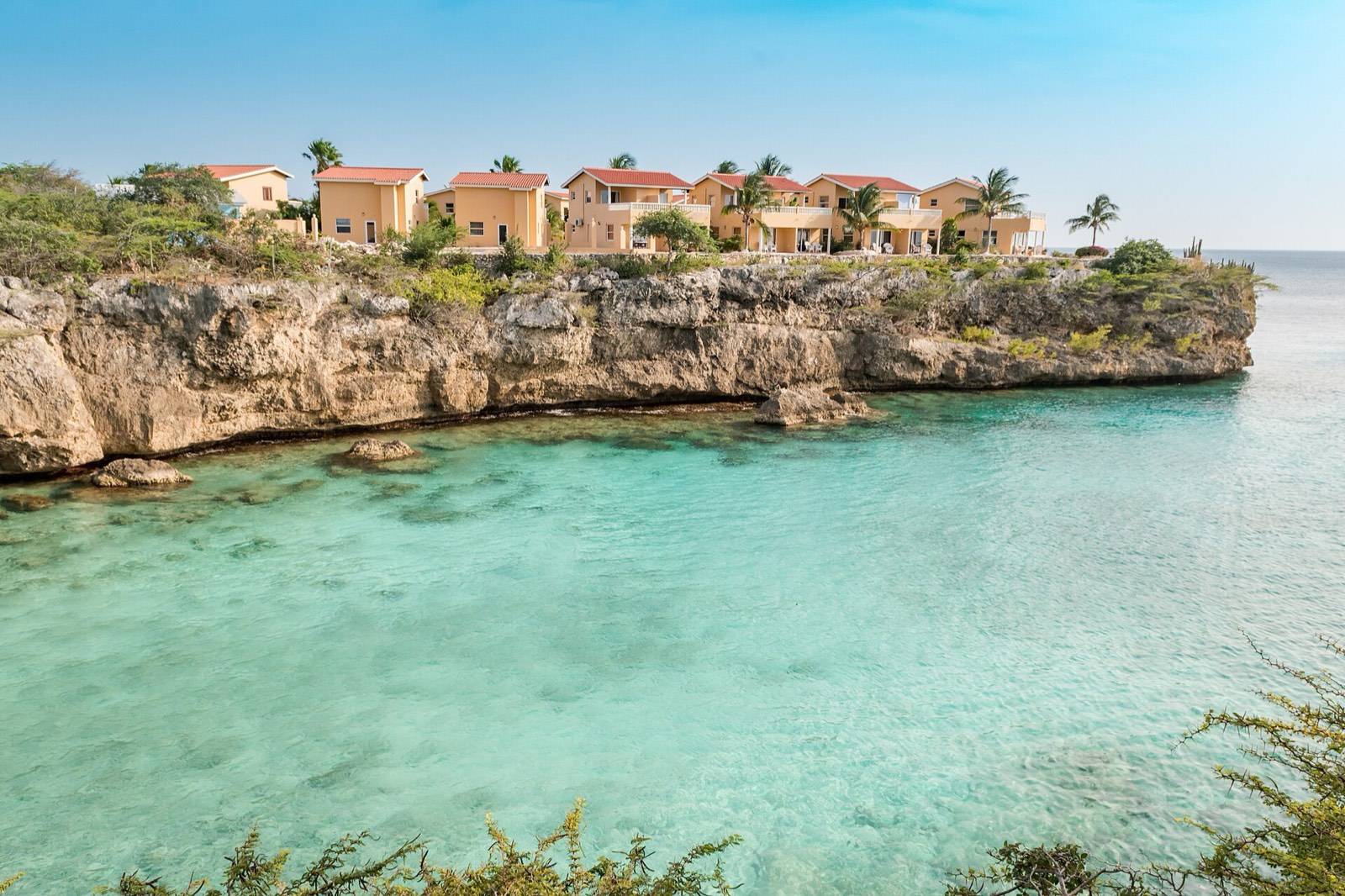
Budget travel usually means settling for the lesser version of a place. On Curaçao it mostly means noticing how the place is built. The things this island does best, a World Heritage city, a bridge that floats, coves the color of bottled glass, a sky that performs every evening, charge little or nothing for admission. The expensive version and the thrifty version of this trip share almost all of their best moments. This is the plan for travelers who want the island's finest at the price of its basics.
I.The honest math
Money on Curaçao flows to three places: your bed, your wheels, and your boat days. It barely flows at all toward food, if you eat where the island eats, or toward sightseeing, because the headline sight is a free city. The currency helps too: the guilder is pegged at 1.79 to the US dollar, the peg does not wobble, and dollars are accepted nearly everywhere, so nobody plays exchange-rate games with you. The fine print lives in our money guide.
The single biggest structural saving is location. A walkable bed in the historic center replaces a week of car rental, because the city, the food, the nightlife, and the boat departures are all within fifteen minutes on foot. Spend a little more on where you sleep and you spend dramatically less on getting around.
II.Free: a World Heritage city at walking pace
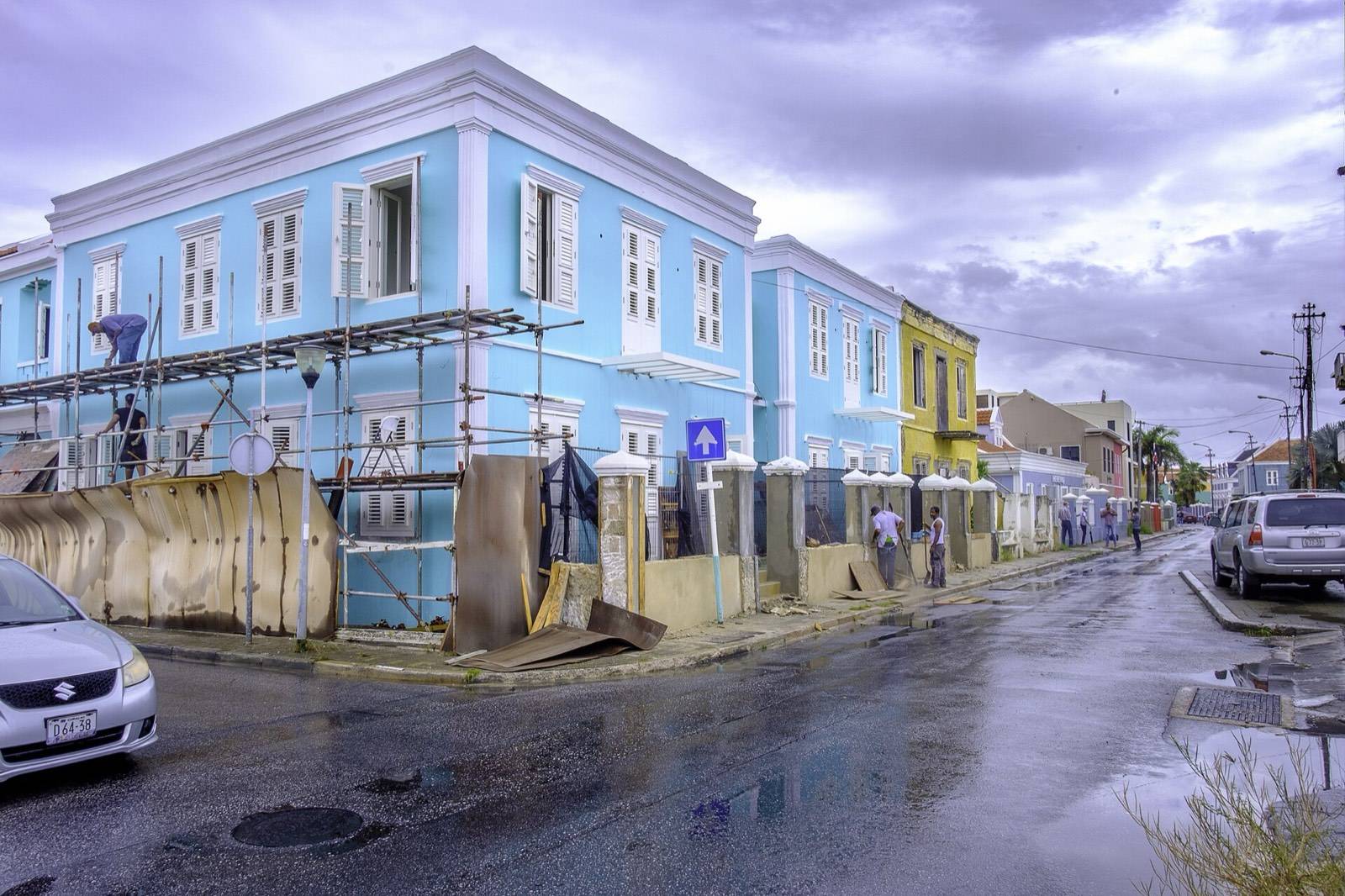
Willemstad's historic quarters earned UNESCO inscription in 1997, and walking them costs exactly nothing. The Handelskade at first light, the lanes of Punda, the 1888 Queen Emma Bridge swinging open for ships, the free ferry that runs whenever it does, the mural alleys of Otrobanda and Scharloo, the Floating Market's row of Venezuelan boats: that is a full sightseeing day with a closed wallet. A few interiors charge modest entry; the streets, which are the masterpiece, do not.
The best of this island was never behind a ticket booth. The city is free, the ferry is free, and the sunset charges no cover.
Time one evening for a Thursday, when Punda Vibes fills the lanes with live music, open galleries, and food stalls. It is the island's most reliable great night out, and admission is a smile.
III.Beaches: free versus fee
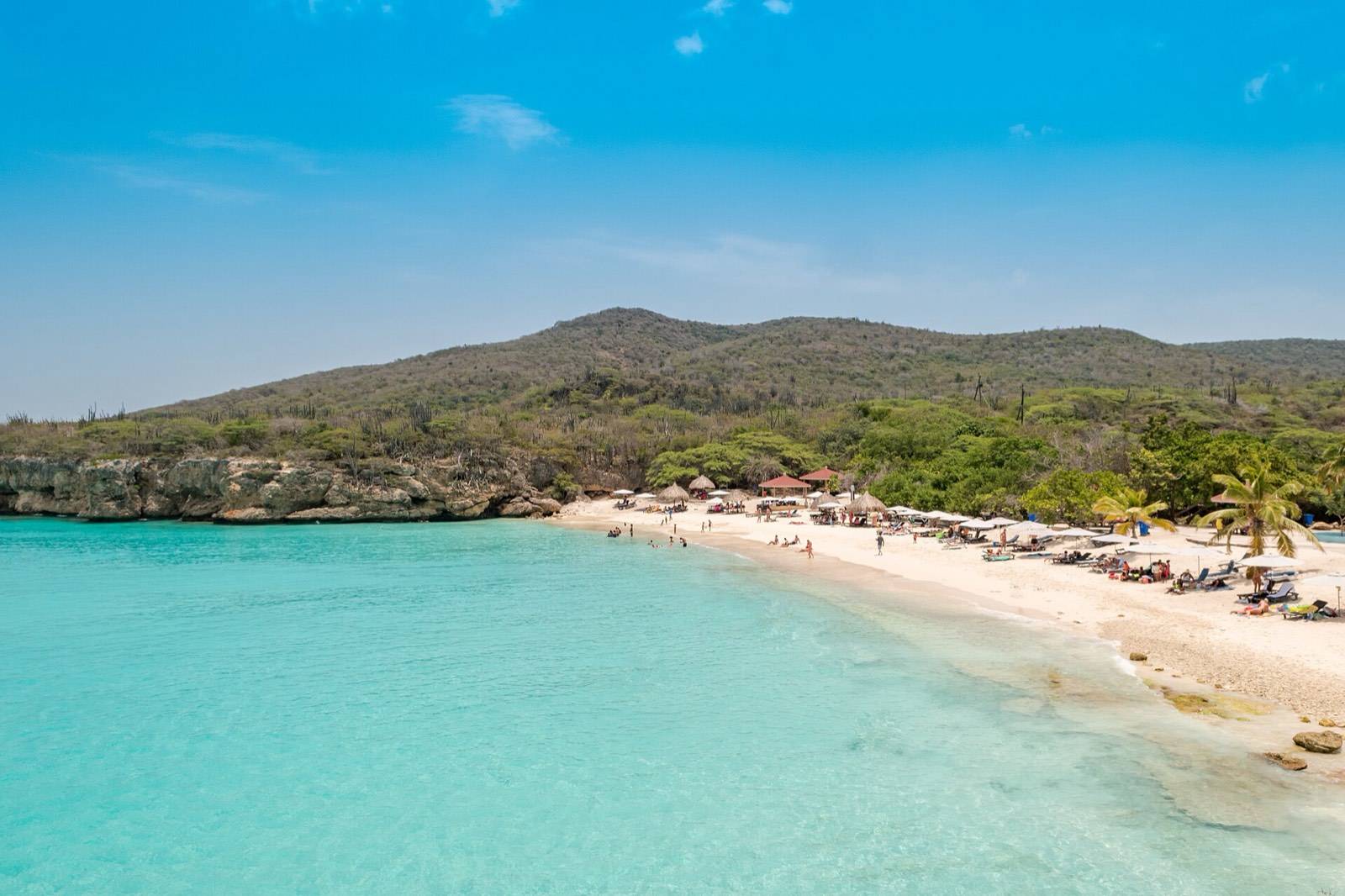
The island's coves split neatly into tiers, and the free tier is not the consolation tier.
| Tier | What it includes | What you get |
|---|---|---|
| Free | Grote Knip, Playa Lagun | The postcard coves themselves; bring your own shade and water |
| A few dollars | Parking or facilities at several west-end coves | Easier logistics, local snack stands nearby |
| Modest entry | Cas Abao, Porto Mari | Loungers, bathrooms, bars, calm family-friendly entries |
Grote Knip, the most photographed cove on the island, costs nothing but the climb back up its steps. The thrifty strategy is to pair one free cove with one paid beach across your rental-car days: the fee beaches earn their keep when you want a lounger and a cold drink delivered to it, and feel optional when you do not. The complete rundown, fees and all, is in the best beaches guide.
IV.Eat like the island eats
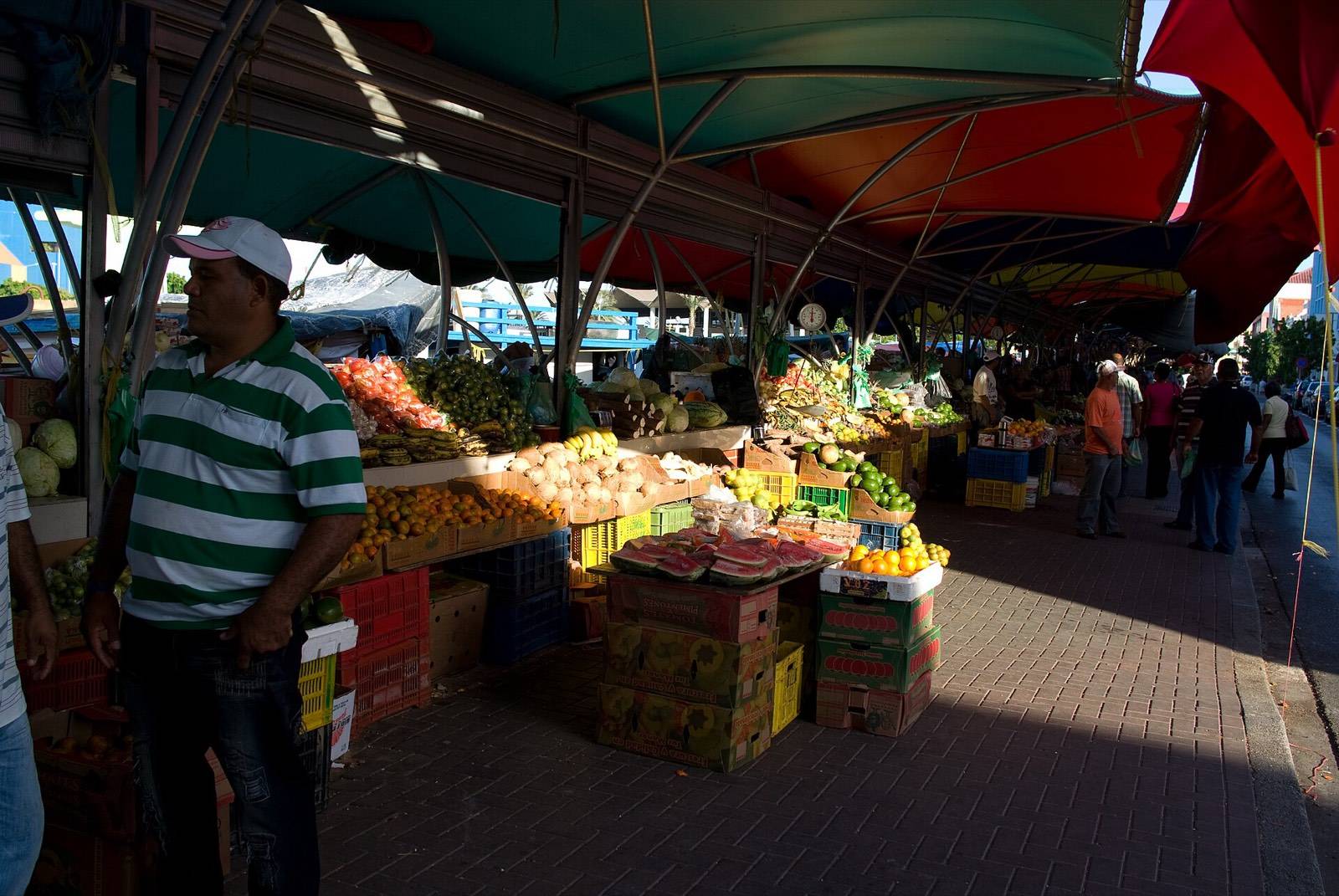
The cheapest food here is also the most local, which makes thrift indistinguishable from good taste. Morning is a warm pastechi from a counter, eaten standing, for pocket change. Lunch is Plasa Bieu, the old covered market behind Punda, where stoba, funchi, and fresh catch arrive on plastic plates at shared tables for roughly the cost of a fast-food combo back home. Fruit comes from the moored boats of the Floating Market, juice from the batido stands, and a supermarket picnic covers any beach day. One rule keeps the food budget honest: the closer a menu stands to a famous view, the more you pay for the view. Walk one block inland and eat better for less. The dishes themselves are decoded in our Curaçao food guide.
V.Move for less
Walking covers the entire historic center, which is most of the sightseeing. Public buses exist on the main routes and cost little, but they run sparsely; confirm times locally and treat them as an adventure with a schedule, not a schedule. The pragmatic move is a rental car for one or two beach days only, split with travel companions if you have them, returned the moment the west end is done. Taxis fill the gaps at fixed zone rates; agree on the fare before you ride. The full transport picture, with honest trade-offs, is in getting around Curaçao.
VI.Spend here: the three worthy splurges
Thrift is a tool, not a religion, and three purchases on this island repay every guilder. The first is the boat day to Klein Curaçao, the uninhabited islet two hours offshore; there is no cheap imitation of it, and nobody regrets it. The second is one real dinner on the Pietermaai strip, restored townhouses, strung lights, the island dressed up, as the trip's ceremonial night. The third is the modest entry fees at the national parks and managed beaches, which maintain the trails, the bathrooms, and the coves themselves.
Everything else can stay cheap without the trip feeling cheap, because the island's essence was never for sale. Learn Masha danki, thank you, and spend it generously at the market stalls. It costs nothing and pays interest everywhere.
The guilder is pegged at 1.79 to the US dollar, year round. Dollars are accepted nearly everywhere on the island; change usually returns in guilders.
Questions travelers ask
Straight answers from the front desk.
Is Curaçao expensive to visit?
Which beaches in Curaçao are free?
Can you do Curaçao without a rental car?
Should I pay in dollars or guilders in Curaçao?
What is worth paying for in Curaçao?
Keep exploring
Curaçao currency and money guide: guilders, dollars, and tipping
Curaçao currency explained: the guilder pegged at 1.79 to the US dollar, where cards and dollars work, ATM…
Is Curaçao expensive? An honest cost guide by tier
Is Curaçao expensive? An honest cost guide with budget, mid-range, and premium tiers for meals, beaches…
The best beaches in Curaçao: 15 coves and beach clubs, honestly ranked
The best beaches in Curaçao, ranked by a local concierge: west-end coves, calm family bays, free entries vs…
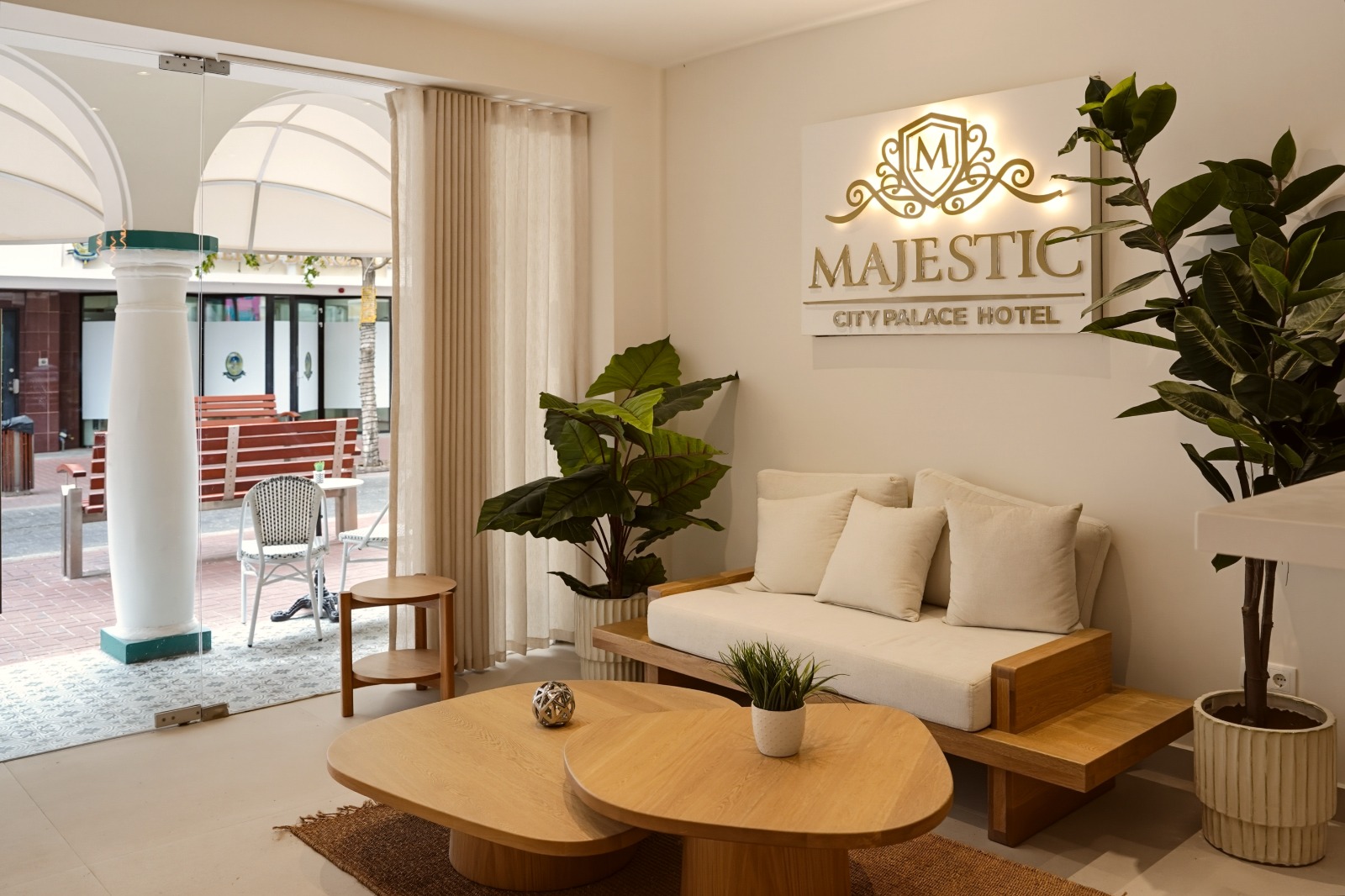
A restored 1892 monument, steps from everything in this guide.
Eighteen boutique rooms across five categories on Breedestraat, Punda. Signature balconies over the main street, and the Van Gogh café pouring espresso downstairs. Reserve your room on Airbnb in a few taps.