
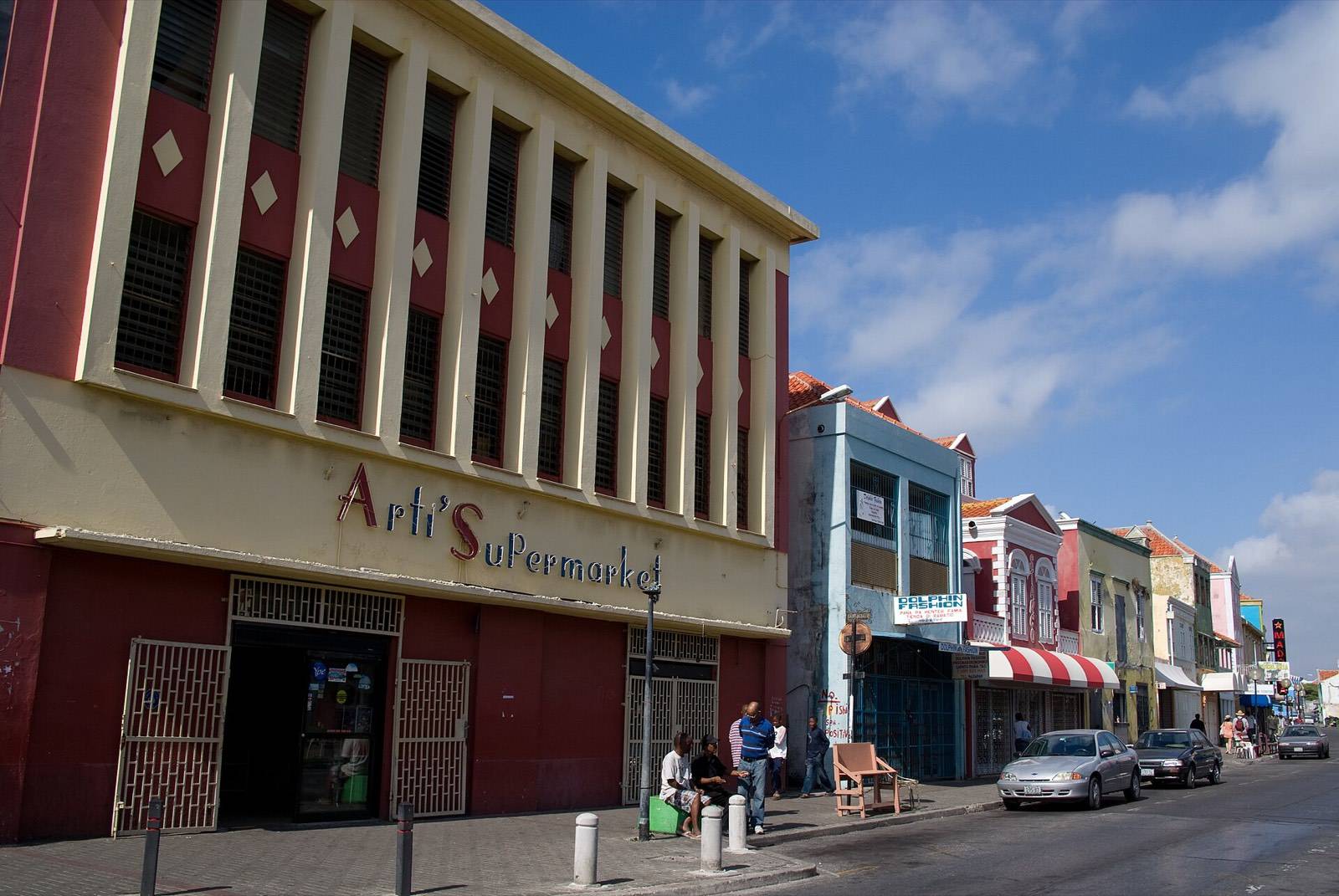
Every cruise port in the Caribbean sells the same seashell ashtray, and Punda could easily have settled for that trade. It did not. Behind the souvenir racks, the oldest shopping quarter on the island still deals in things actually made here, or genuinely of here, and telling the two apart is mostly a matter of knowing where to look and what questions to ask.
This is the version of that knowledge we give guests who want to come home with something better than a magnet.
A good souvenir is a day of your trip made solid: something made here, by someone you could have met.
I.Know the lanes
Punda's shopping happens in a grid you can cover in an afternoon. Breedestraat is the spine, the quarter's main commercial street for generations. Heerenstraat runs parallel with smaller boutiques and galleries, Madurostraat crosses with more of the same, and Gomezplein is the shaded square where the bags get set down and the coffee gets ordered.
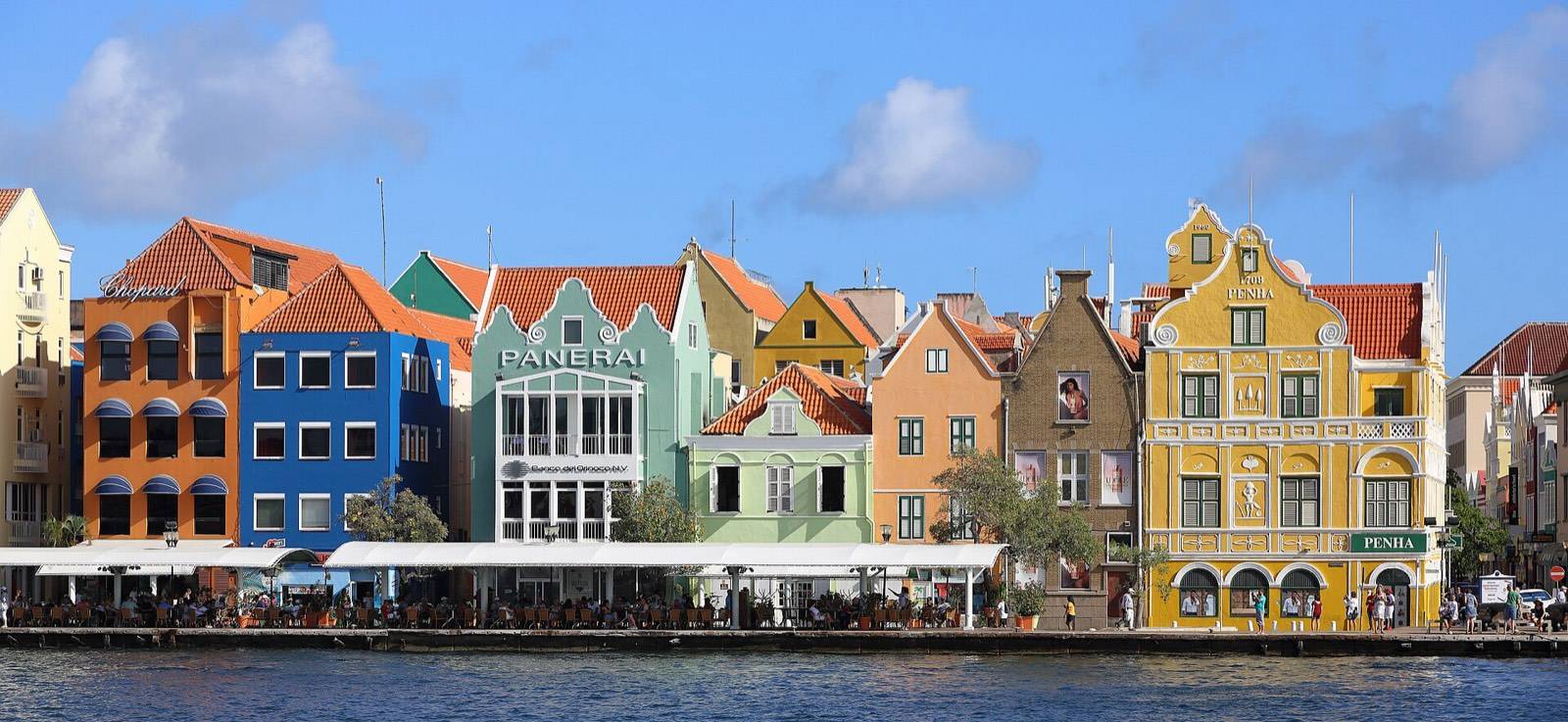
The arcades along the waterfront add a final row of cafes and shops with the harbor as a backdrop. Everything sits within ten flat minutes of everything else, which makes comparison shopping painless, and mornings are the coolest hours for browsing. For the full picture of the quarter beyond its shop windows, start with our guide to things to do in Punda.
II.Chichi figures and local art
The island's signature piece is the Chichi: a rounded, exuberantly painted sculpture celebrating the Curaçaoan big sister, the capable woman who holds a family together. Each genuine figure is hand painted on the island and signed by its painter, which means no two are alike and the one you choose is actually yours. They come in every size from pocket to mantelpiece. Some studios even let you paint your own under a local artist's eye, a souvenir and a story in one sitting.
Beyond the Chichi, Punda's small galleries carry paintings, prints and ceramics by island artists, often with the artist somewhere nearby. Buying from the maker is half the pleasure and most of the provenance. If a piece claims to be local, asking who made it is a fair and welcome question.
III.The blue bottle
Blue Curaçao is the rare souvenir with a genuine origin story: the liqueur is distilled from the peel of the laraha, the island's bitter orange, and the authentic article is made at Landhuis Chobolobo on the edge of town. Generic blue liqueurs exist all over the world; only one comes from the place on its label.
Bottles are easy to find in the lanes, and the distillery itself offers the full story plus tastings, covered properly in our Blue Curaçao liqueur guide. One useful surprise: the same liqueur comes in several colors, blue being tradition rather than flavor. Pack bottles sealed and padded in checked luggage, and check your home country's allowance. A miniature makes a fine gift; the full bottle belongs to people who actually mix drinks.
IV.Dutch cheese and pantry weight
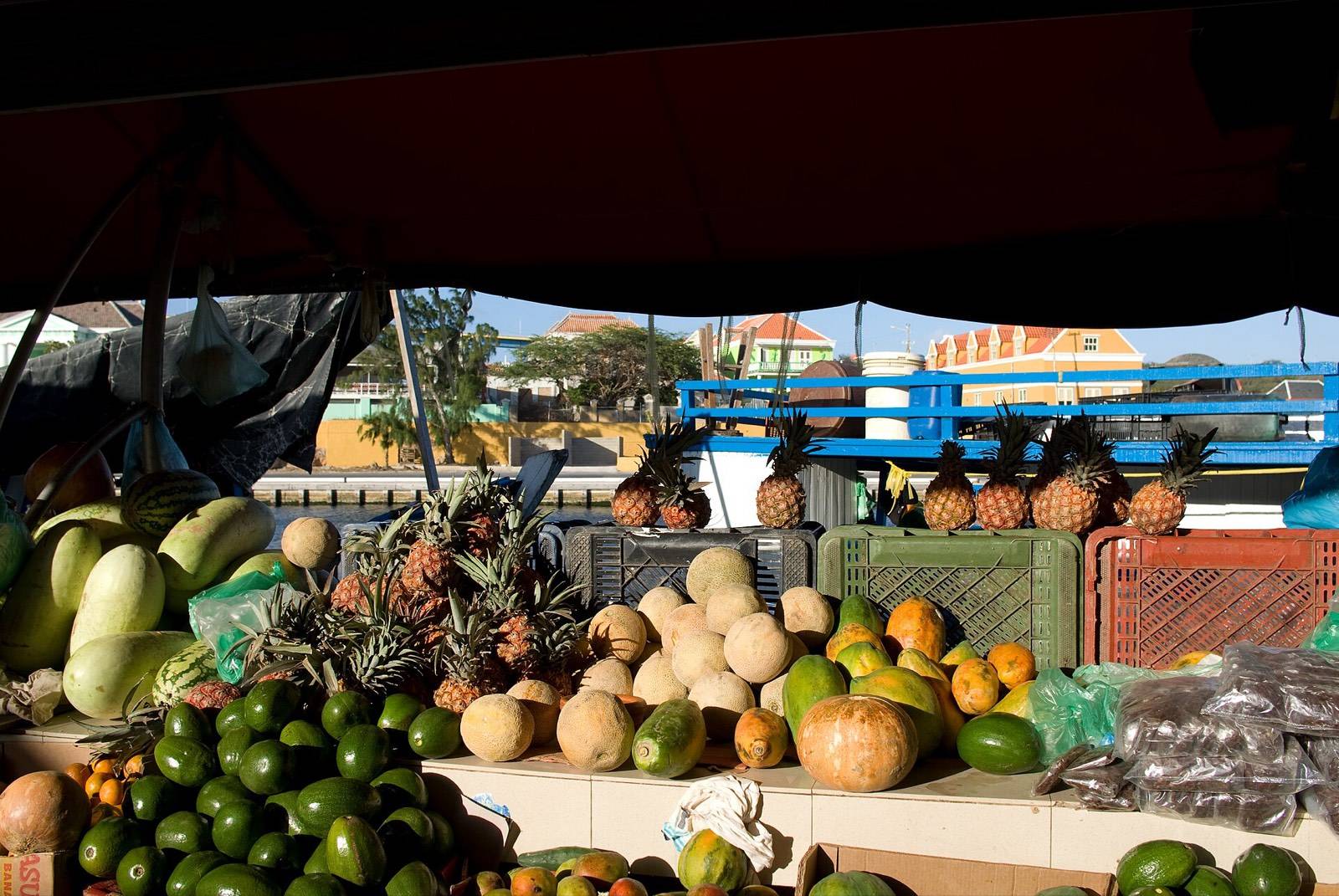
The Dutch side of the island's heritage shows up at the cheese counter. Wedges and small wheels of aged gouda travel beautifully when vacuum sealed, and delis and grocers around the lanes will point you to travel-ready options; ask for sealed pieces and keep them out of the midday car. Stroopwafels and Dutch licorice round out the pantry layer of the suitcase.
Most home countries admit commercially sealed cheese without fuss, but rules differ, so confirm your own customs limits before you stock up like a ship's quartermaster. If your trip continues elsewhere in the tropics, buy cheese on the last full day rather than the first.
V.Batik, linen and the wearable island
The clothing worth buying here is the clothing that makes sense here: light batik prints, linen shirts and dresses, woven hats that actually shade. The boutiques along Breedestraat and Heerenstraat carry plenty of it, and the test is simple: natural fibers, loose weave, and something you would genuinely wear through your own August.
Beach cover-ups and sandals are abundant and fine. The better find is the piece that reads as travel rather than costume once you are home. And do not underestimate the hats: a wide brim bought on day one pays dividends every day after.
VI.The carry-home shortlist
| Souvenir | Where to look | Worth knowing |
|---|---|---|
| Chichi figures | Galleries and studios in the Punda lanes | Hand painted and signed; no two alike |
| Blue Curaçao | Shops in town, or Landhuis Chobolobo itself | The genuine bottle is distilled on the island |
| Dutch cheese | Delis and grocers around the lanes | Ask for vacuum-sealed travel wedges |
| Batik and linen | Boutiques on Breedestraat and Heerenstraat | Natural fibers handle the climate best |
| Local art and prints | Small galleries across the quarter | Buying from the maker is half the pleasure |
VII.Haggling, prices and paying
The norms here are simple and worth respecting. In shops, prices are fixed; this is a Dutch Caribbean high street, not a bazaar, and negotiating over a marked price mostly produces an awkward pause. At the Floating Market and the open-air stalls, gentle haggling is expected and enjoyed, especially if you are buying several things and smiling while you do it.
US dollars are accepted nearly everywhere alongside the guilder, which is pegged at 1.79 to the dollar, and cards are common in the shops. Keep small cash for the markets. Tipping in shops is not expected; at market stalls, rounding up is a kindness rather than a rule. The fuller money picture lives in our currency guide.
VIII.Timing the lanes
Shopping in Punda is a tale of two clocks. On cruise days the lanes surge from late morning to mid afternoon, and the experience changes accordingly. Come at opening time or after the ships sound their recall, and the same streets feel like a neighborhood again. Cruise schedules are public; a one-minute check the night before pays off. Quiet mornings also make the galleries more talkative: with no crowd, the person behind the counter often turns out to be the artist. If you are the one arriving by ship, our cruise day itinerary builds shopping into the walking route.
The golden exception is Thursday evening, when galleries and shops stay open late for Punda Vibes and shopping happens with live music in the background, which is how it should always work.
Questions travelers ask
Straight answers from the front desk.
What is Curaçao famous for buying?
Can you haggle in Willemstad?
Do shops in Punda take US dollars?
When is the best time to shop in Punda?
Can I bring Blue Curaçao home in my luggage?
Keep exploring
One day in Curaçao from a cruise ship: the walk-off itinerary
Make a Curaçao cruise day count: the walk-off route through Rif Fort, Otrobanda, and Punda, an optional beach…
Things to do in Punda: the painted heart of Willemstad
The best things to do in Punda, Willemstad: the Handelskade at first light, a sand-floored synagogue, the…
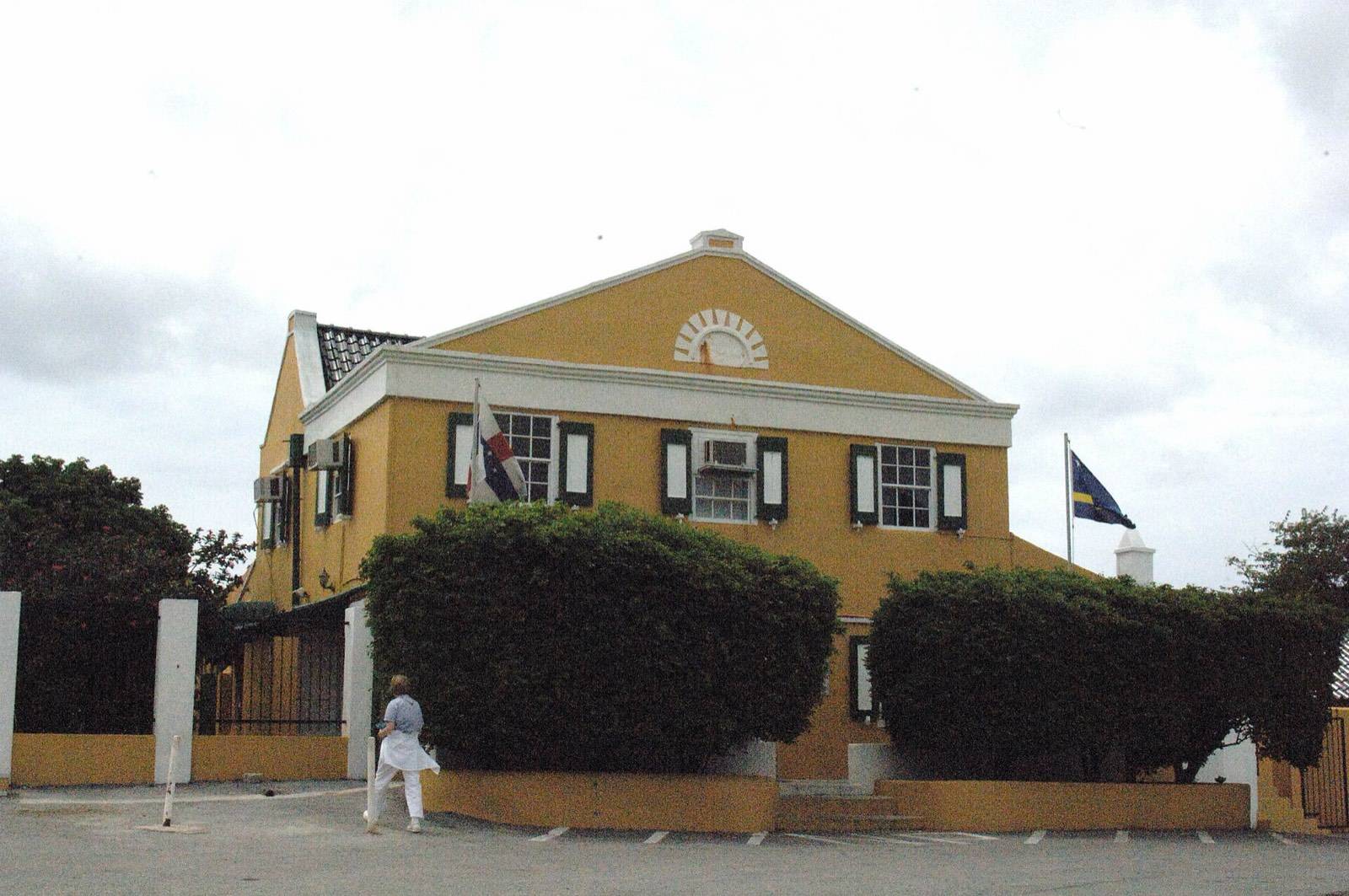
Blue Curaçao liqueur: the bitter orange behind the famous blue
The true story of Blue Curaçao liqueur: the bitter laraha orange, Landhuis Chobolobo, why the color is blue…
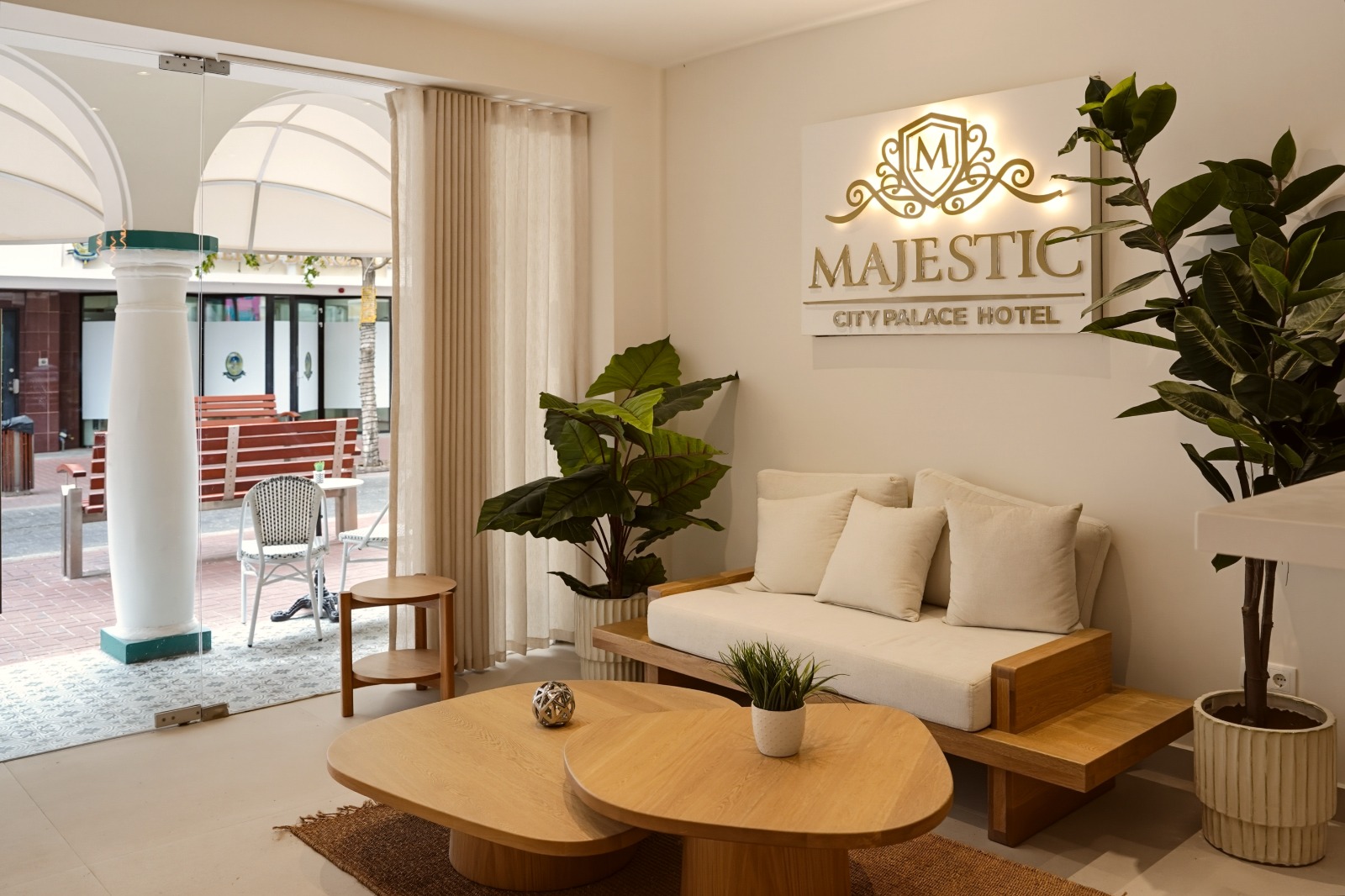
A restored 1892 monument, steps from everything in this guide.
Eighteen boutique rooms across five categories on Breedestraat, Punda. Signature balconies over the main street, and the Van Gogh café pouring espresso downstairs. Reserve your room on Airbnb in a few taps.