
We answer this question at the front desk more often than any other except where to eat. So here it is, plainly: Curaçao is a calm, sociable, easygoing island, and the overwhelming majority of trips here pass without a single uncomfortable moment. It is also a real place where real people live, with the ordinary frictions of any small city. No destination on earth is without risk, and any guide that promises otherwise is selling something.
What follows is the advice we give our own guests, with the same candor we would want handed to us in an unfamiliar country.
I.The honest short answer
By regional and global standards, Curaçao sits comfortably on the calm end of the spectrum. Violent crime involving visitors is uncommon. The realistic concern, the one actually worth planning around, is opportunistic petty theft: the unattended beach bag, the phone on the cafe table, the backpack visible through a rental car window. These are crimes of convenience, and they evaporate when the convenience does.
The mindset that serves you best is the one you already own. Use the judgment you would use in any city you love: aware, unhurried, neither naive nor nervous.
Bring the same street sense you use at home. The island asks for attention, not anxiety.
II.Petty theft: the one risk worth planning around
Across thousands of guest stays, nearly every incident we have ever heard about follows the same script: something valuable, left somewhere visible, unattended. The script has a simple counter.
- Carry one card and modest cash for the day; leave the rest in your room safe.
- Keep phones off restaurant tables and bags on your lap or hooked under the chair.
- In crowds, markets, and on busy cruise-ship days, wear daypacks on your front or keep zippers under a hand.
- Keep a photo of your passport on your phone and leave the original in the safe.
III.On the beach: bring less, relax more
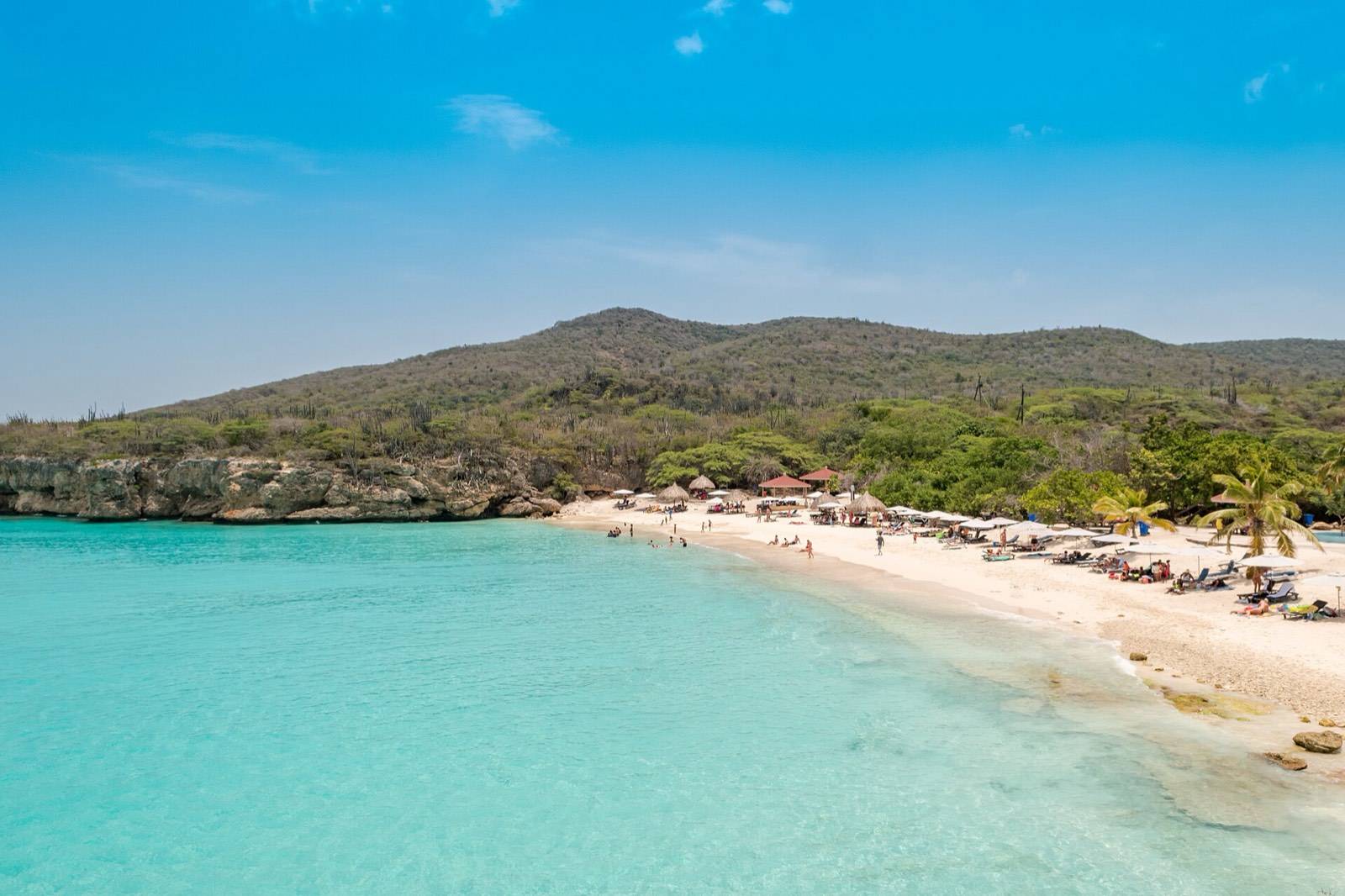
The beach routine is where most travelers loosen up, so it deserves its own rules. Take little. A towel, water, sunscreen, a paperback, and a waterproof pouch for the phone if it must come at all. Leave watches, jewelry, and documents in the safe. Where full-service beaches offer lockers, use them; where they do not, swim in shifts so someone stays with the bags, or befriend the neighbors on the next loungers, which on this island takes about ninety seconds.
One unglamorous truth: the trunk of a parked rental car is not a safe. At remote coves and trailheads, an empty back seat and an obviously empty car are your best protection. Our guide to the best beaches in Curaçao notes which coves have facilities and which are gloriously bare.
IV.In the water: read the sea, not just the sky
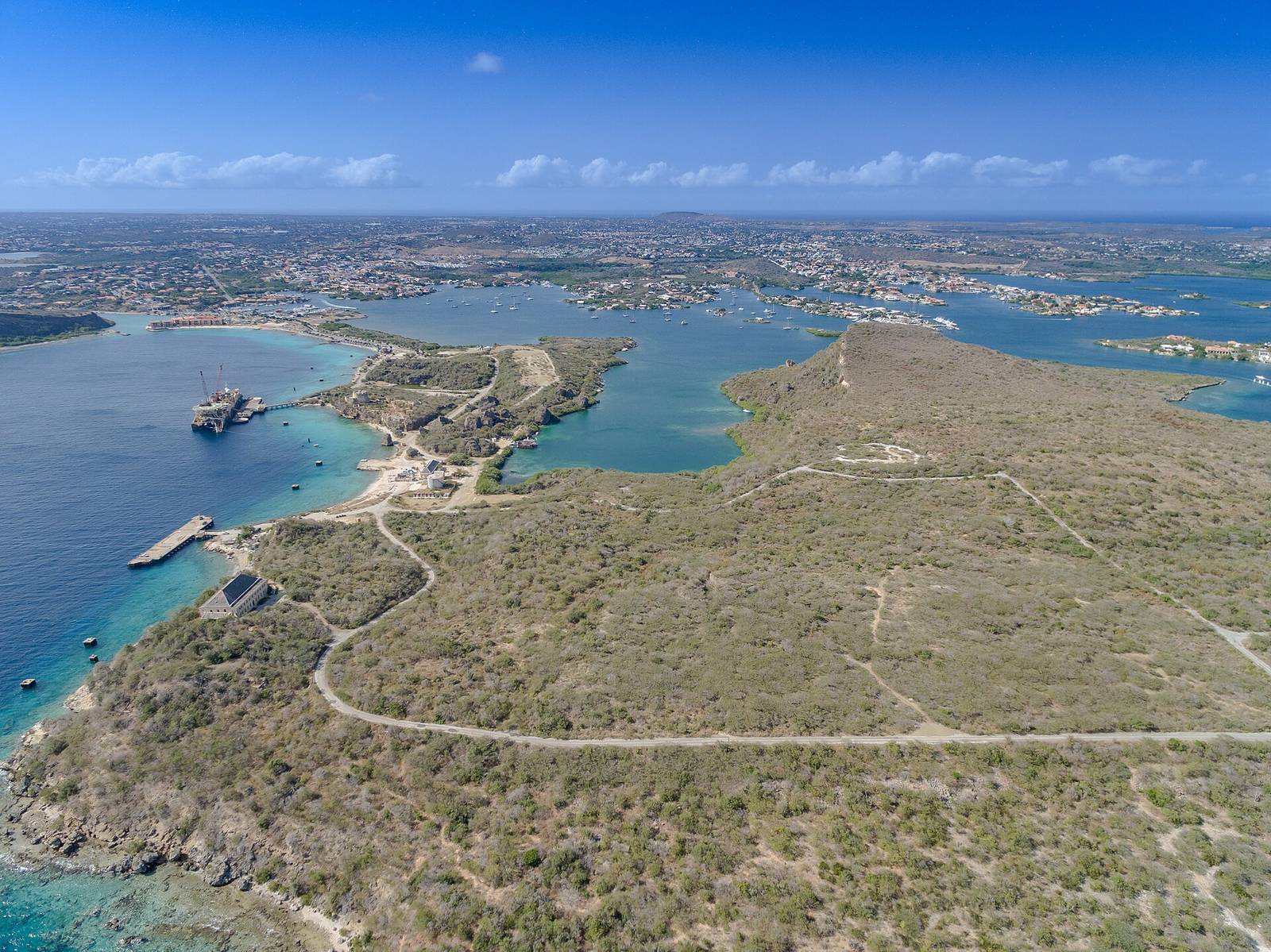
Curaçao's swimming is some of the gentlest in the Caribbean, with one geographic caveat. The leeward south and west coasts, where every famous beach sits, are typically calm, clear, and kind to children and casual swimmers. The windward north coast is the opposite: open ocean landing on rock, magnificent to watch at Shete Boka, and never a swimming spot.
Even on the calm side, give the sea thirty seconds of respect. Watch how the water moves near rocky points, where mild currents sometimes run. Ask a local or a beach attendant if anything is active that day; they always know. Wear water shoes on pebbled entries, keep a respectful distance from boat channels and fishing piers, and never touch the turtles or the reef when snorkeling. The sun, honestly, is the hazard most likely to spoil a day: shade, water, and a hat solve most of it.
V.Willemstad after dark
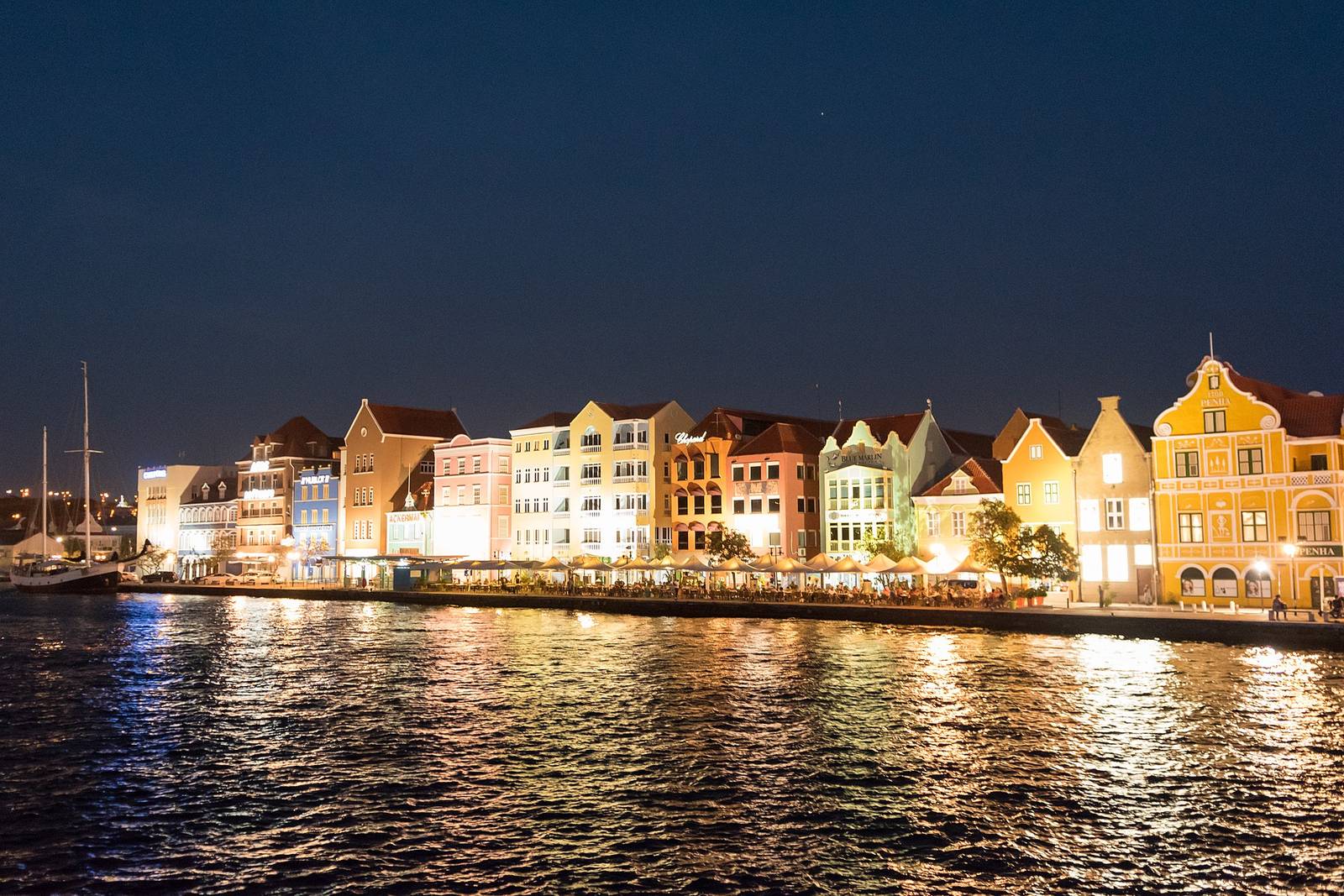
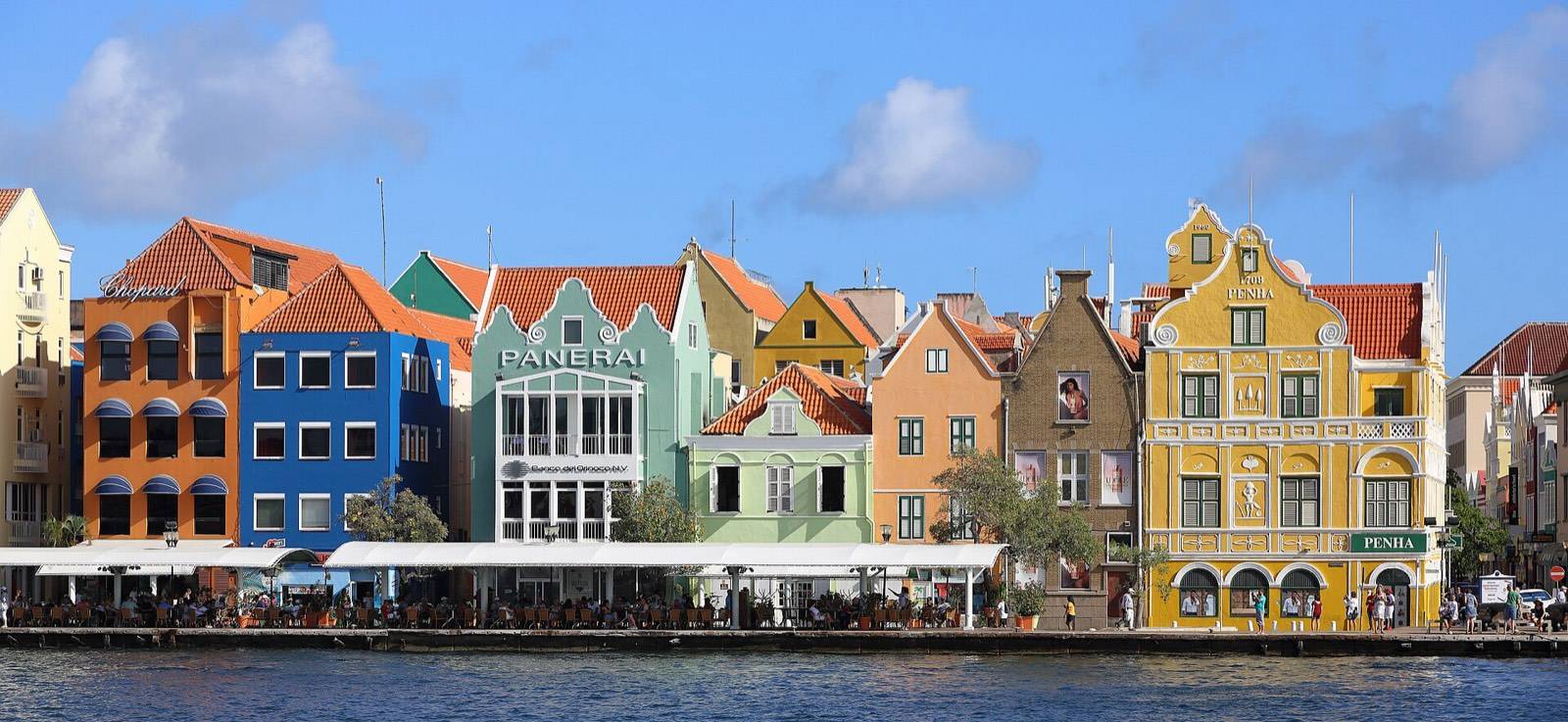
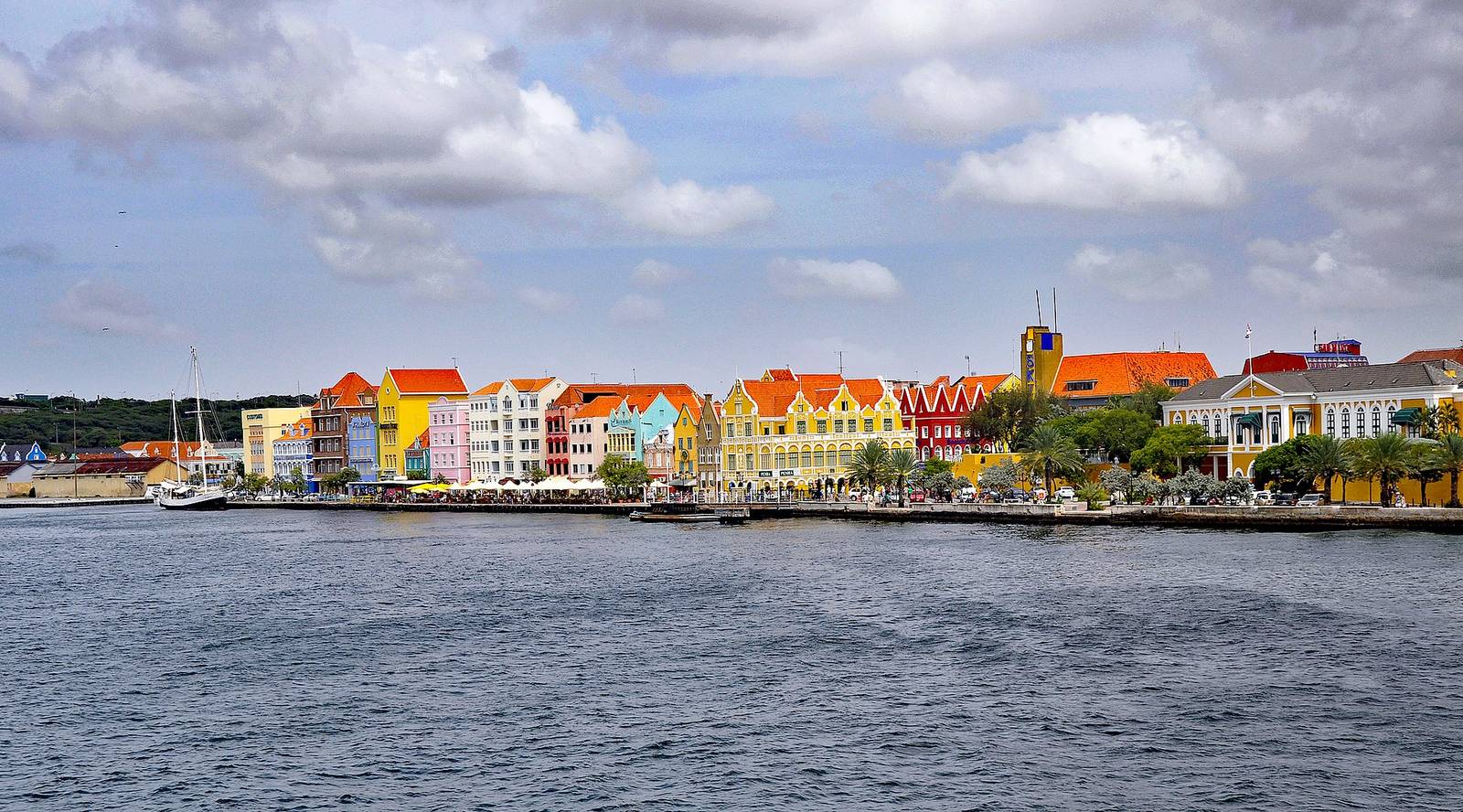
The evening city is one of the island's pleasures, and it is best enjoyed the way locals enjoy it: on the main, lit, peopled streets. Punda and Pietermaai hum on dinner nights, the Thursday evening celebration fills Punda with music, and the Queen Emma Bridge is lit and well used after dark. An evening loop of the harbor is a highlight of any trip, as our guide to one day in Willemstad lays out.
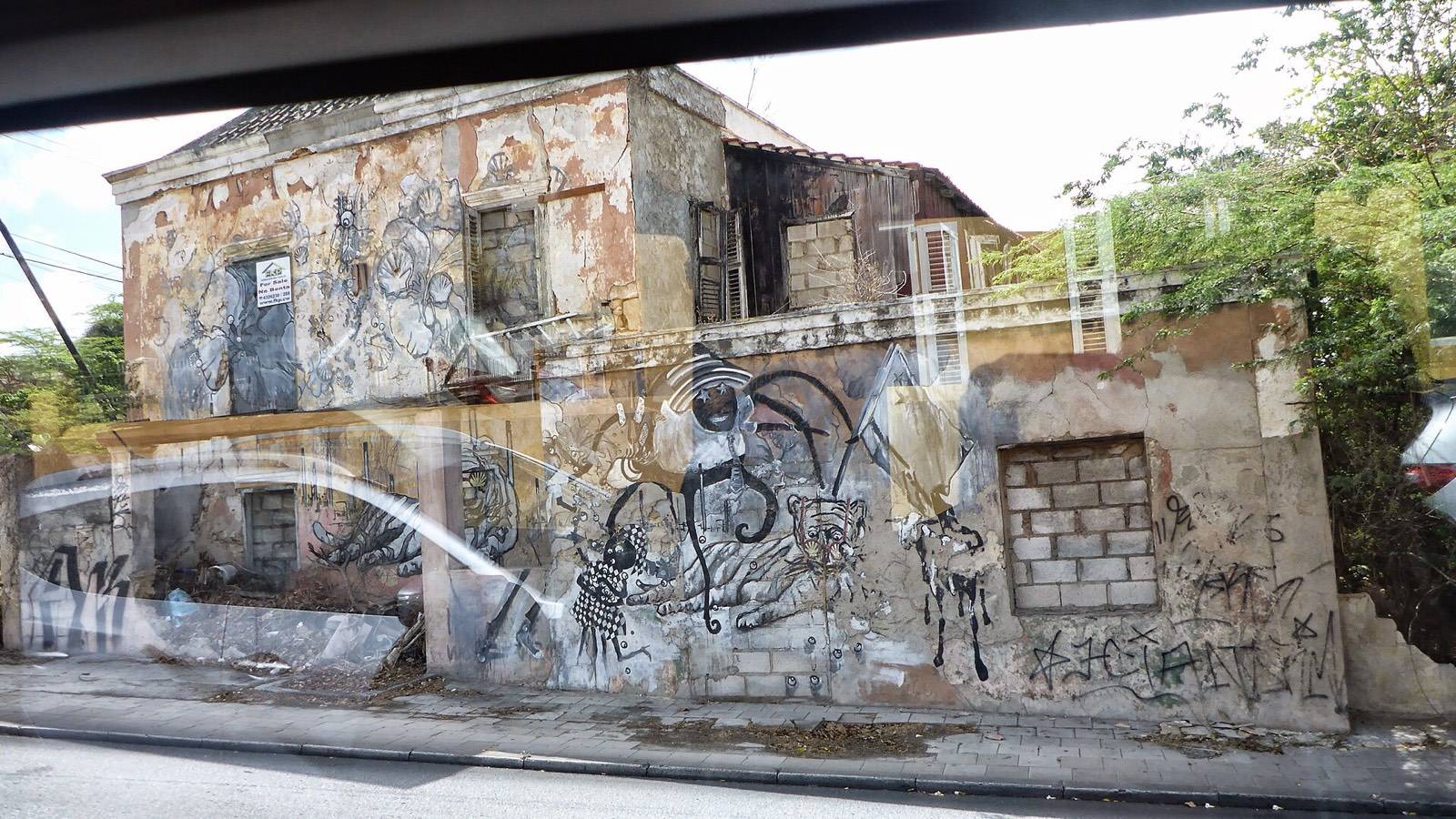
The honest caveat is the same one every city earns: late at night, some side streets in both quarters go quiet and dark, and quiet plus dark is the combination to skip. Keep to main routes, walk with company when you can, and take a taxi rather than a long dim walk after a late night. Choosing lodging on a well-trafficked street, something we discuss in our guide to staying in Otrobanda, makes the whole question easy.
VI.Driving and the road
Daytime driving on Curaçao is relaxed: right-hand traffic, light congestion outside the city, and forgiving speeds. Two adjustments help. First, rural roads to the west end are sparsely lit at night, so plan beach days to head home around sunset or drive the dark stretches slowly. Second, park where your car can be seen, and return to the rule above: nothing visible inside, ever. Full rental logistics live in getting around Curaçao.
VII.Solo and first-time travelers
Curaçao is an easy island to navigate alone. It is compact, English is spoken nearly everywhere, and the culture is warm toward independent visitors. Solo travelers, including solo women, routinely describe the island as comfortable. The practices that keep it that way are universal: arrive at new places in daylight when you can, keep someone informed of your plans, use licensed taxis late at night, moderate the cocktails you accept from strangers, and let your accommodation be your local ally. A good front desk is the best safety tool on any trip.
VIII.A pocket checklist
Eight lines that cover nearly everything this page says:
- Room safe for passports, jewelry, and spare cards.
- One card, modest cash, no flash.
- Nothing visible in a parked car. Nothing.
- Beaches: travel light, use lockers, swim in shifts.
- Calm leeward coves for swimming; the north coast is for photographs.
- Main lit streets at night; taxis for late returns.
- Water shoes for rocky entries; hands off turtles and reef.
- When unsure, ask a local. This island talks.
Treat those as habits rather than worries, and Curaçao gives back what it gives most visitors: a trip where the biggest threat encountered all week was the dessert menu in Pietermaai.
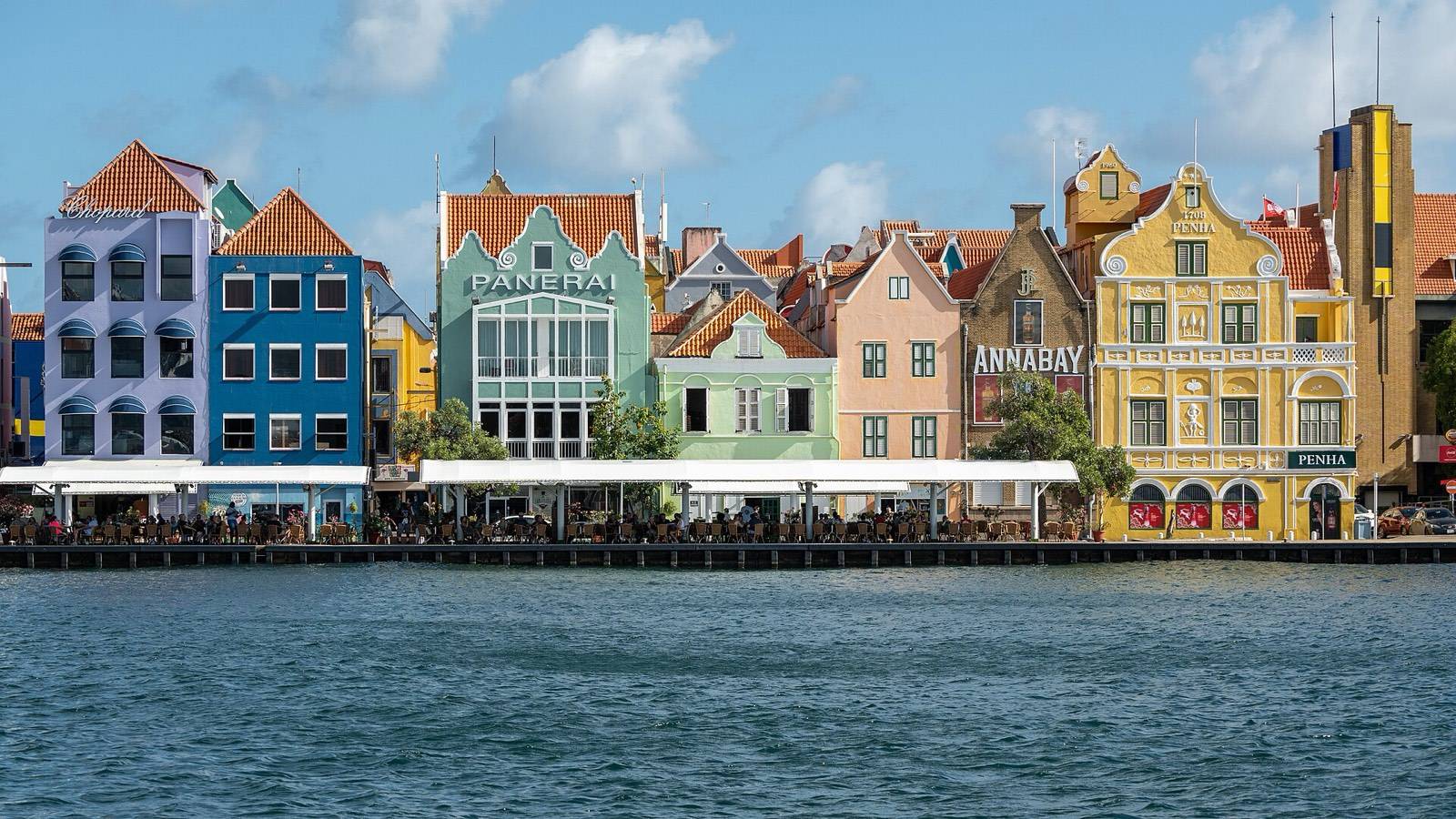 Golden hour
After dark
Golden hour
After dark
Questions travelers ask
Straight answers from the front desk.
Is Curaçao safe for tourists?
Is Willemstad safe at night?
Is Curaçao safe for solo female travelers?
Is it safe to rent a car in Curaçao?
What should I do with valuables at the beach?
Is it safe to swim in Curaçao?
Keep exploring
Curaçao travel FAQ: every question, answered straight
Curaçao travel questions answered fast: money, entry rules, rental cars, beach fees, turtles, language, and…
Getting around Curaçao: feet, wheels and the honest math
Getting around Curaçao made simple: when you need a rental car, how taxis and buses really work, and why…
Where to stay in Curaçao: an honest neighborhood guide
Where to stay in Curaçao, honestly compared: Otrobanda, Punda, Pietermaai, Scharloo, Jan Thiel, Mambo Beach…
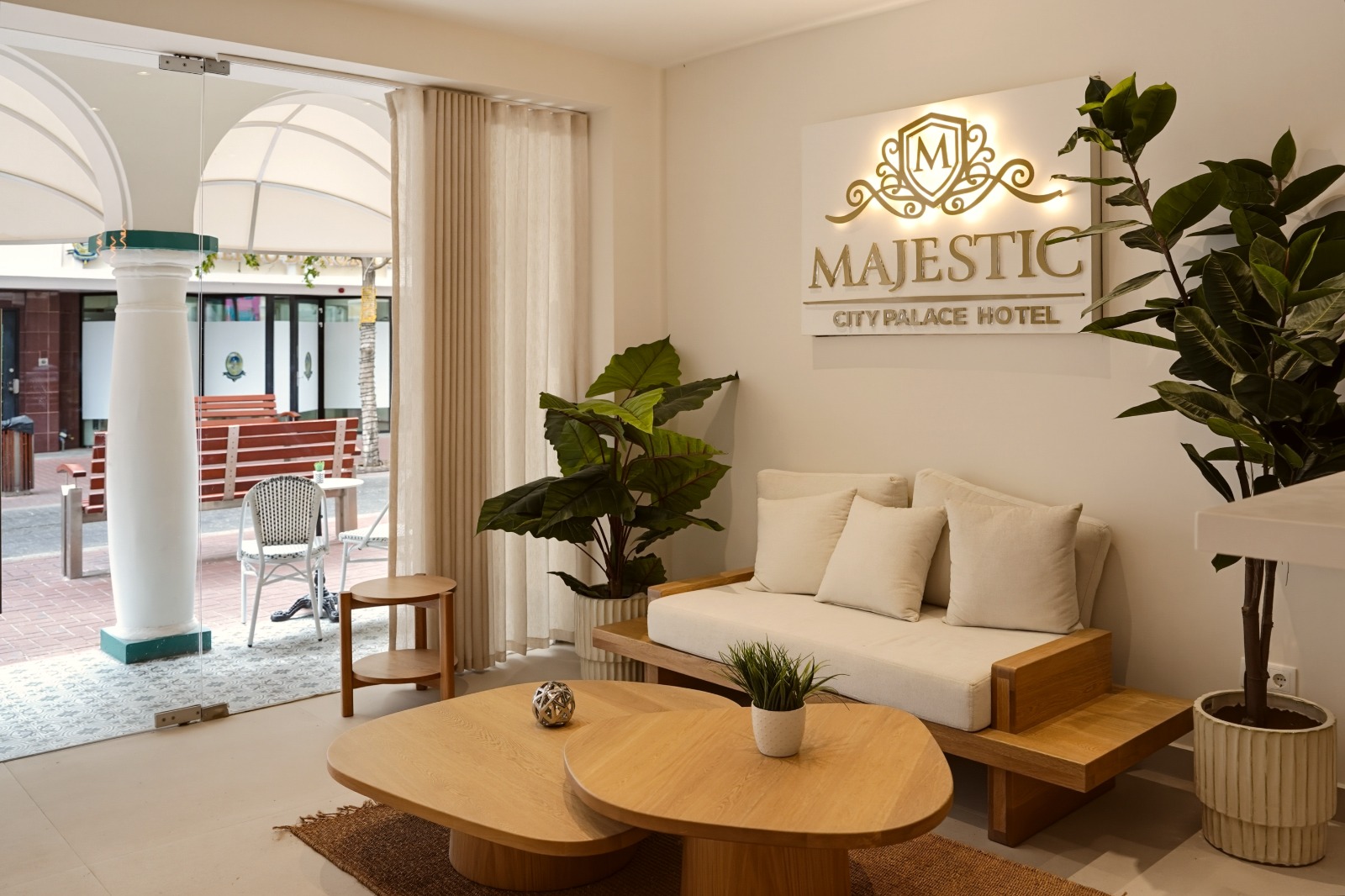
A restored 1892 monument, steps from everything in this guide.
Eighteen boutique rooms across five categories on Breedestraat, Punda. Signature balconies over the main street, and the Van Gogh café pouring espresso downstairs. Reserve your room on Airbnb in a few taps.