
Most hotels promise to take you out of the place you are visiting: gates, grounds, a lobby climate of nowhere in particular. A monument hotel promises the opposite. It takes you further in, behind walls that were holding off this same afternoon sun before your great-grandparents were born. On Curaçao, where the entire historic center of Willemstad earned UNESCO inscription in 1997, sleeping inside protected heritage is not a niche indulgence. It is the most direct way to actually inhabit the island you came to see.
This guide explains what monument status really means, the two very different kinds of historic stay the island offers, and the honest trade-offs nobody puts in the brochure.
I.What monument status actually means
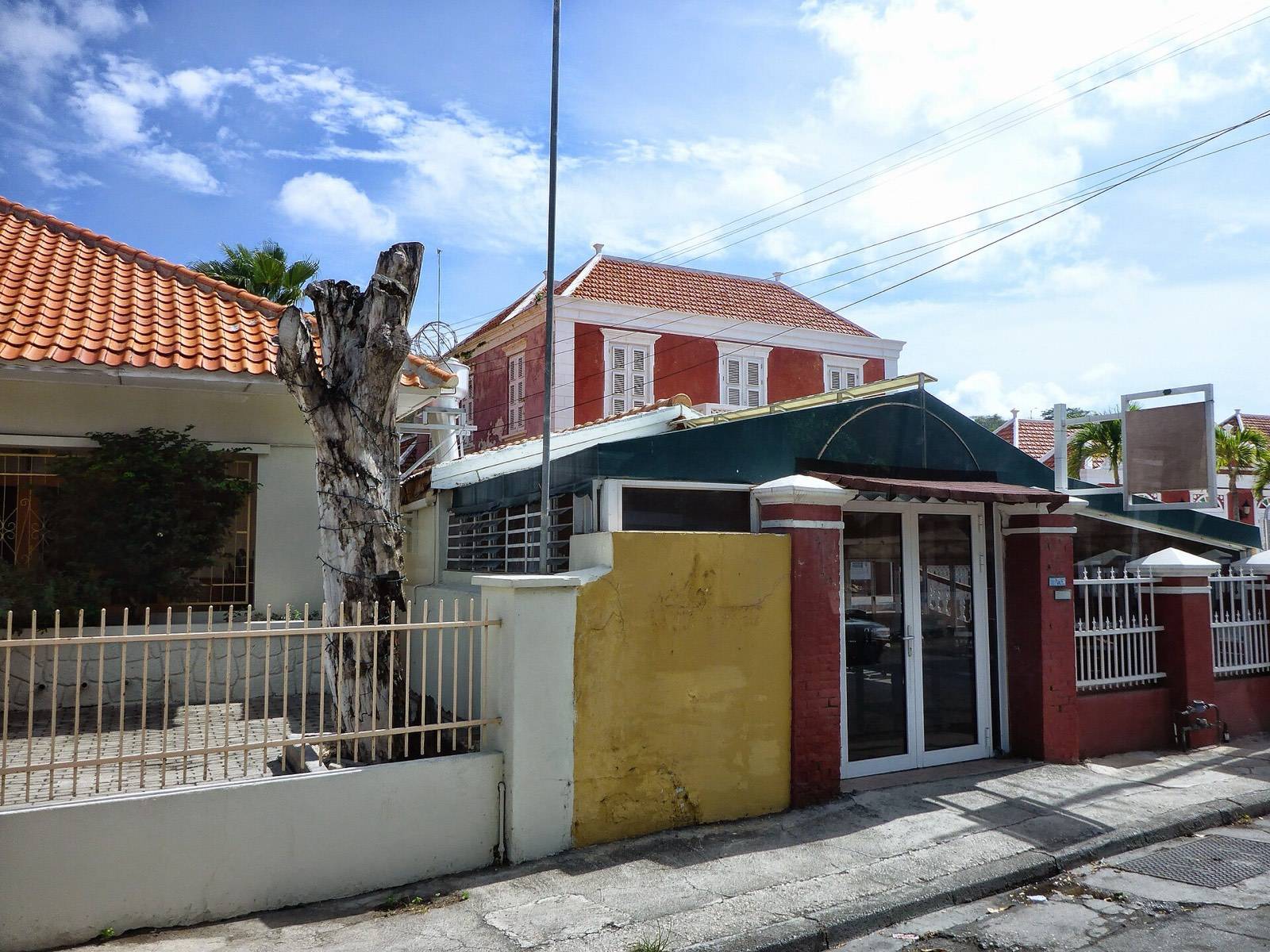
A protected monument here is not simply an old building with a plaque. It is a building whose restoration was carried out under the eye of the island's monument foundation, Monumentenzorg, which has spent decades rescuing and re-leasing the city's historic housing stock. Facades, proportions, materials, colors, and roof lines are preserved; plumbing, wiring, and cool air are threaded carefully inside the historic envelope rather than punched through it.
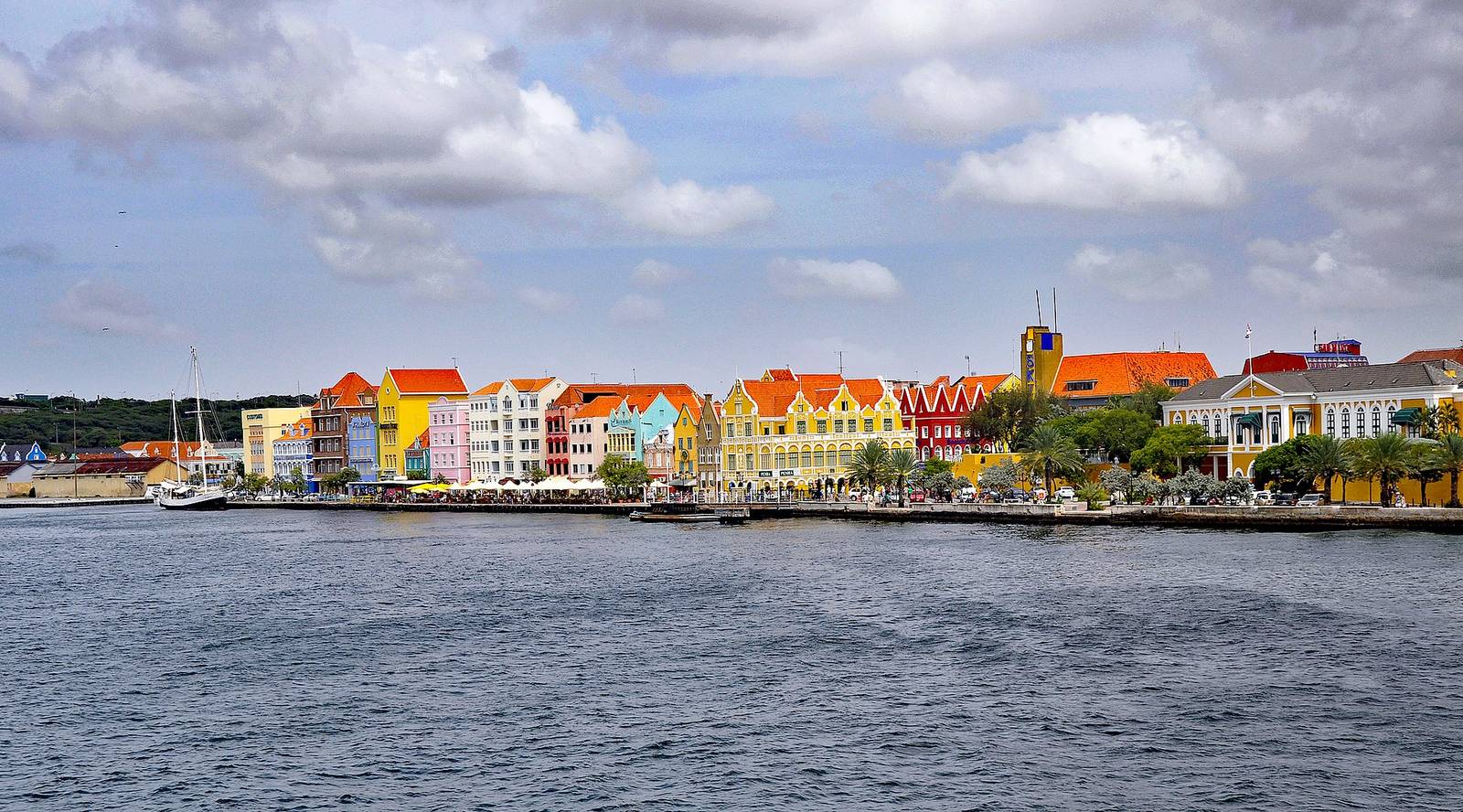
For the owner, that means restoration is slower and costlier than demolition ever would be. For the guest, it means the building you sleep in is the genuine article: the same walls, the same beams, the same window rhythm the street has known for generations. When the whole quarter is protected, as Punda, Otrobanda, Pietermaai, and Scharloo are, the view from your window is part of the monument too.
II.Lime plaster, coral stone, and walls that breathe
The craft is worth understanding, because you will sleep better for knowing what surrounds you. Traditional walls here are coral stone and rubble, finished in lime plaster, a skin that lets moisture escape the way modern cement never can. Hardwood beams carry the floors; steep clay-tiled roofs shed the rain; tall shuttered windows and high ceilings were moving air through these rooms long before electricity arrived to help. The galleries and verandas face the trade wind on purpose. The whole building is a climate machine designed by people who had no alternative but to get it right.
Even the colors carry history. The story locals tell is that a governor, plagued by headaches, blamed the glare of whitewash and ordered the facades painted, and the city has worn its ochres, blues, and oxblood reds ever since. True or embellished, the palette is now protected along with the walls that hold it.
III.Landhuis or townhouse: two ways to sleep historic
The island offers heritage in two registers, and choosing between them shapes the whole trip.
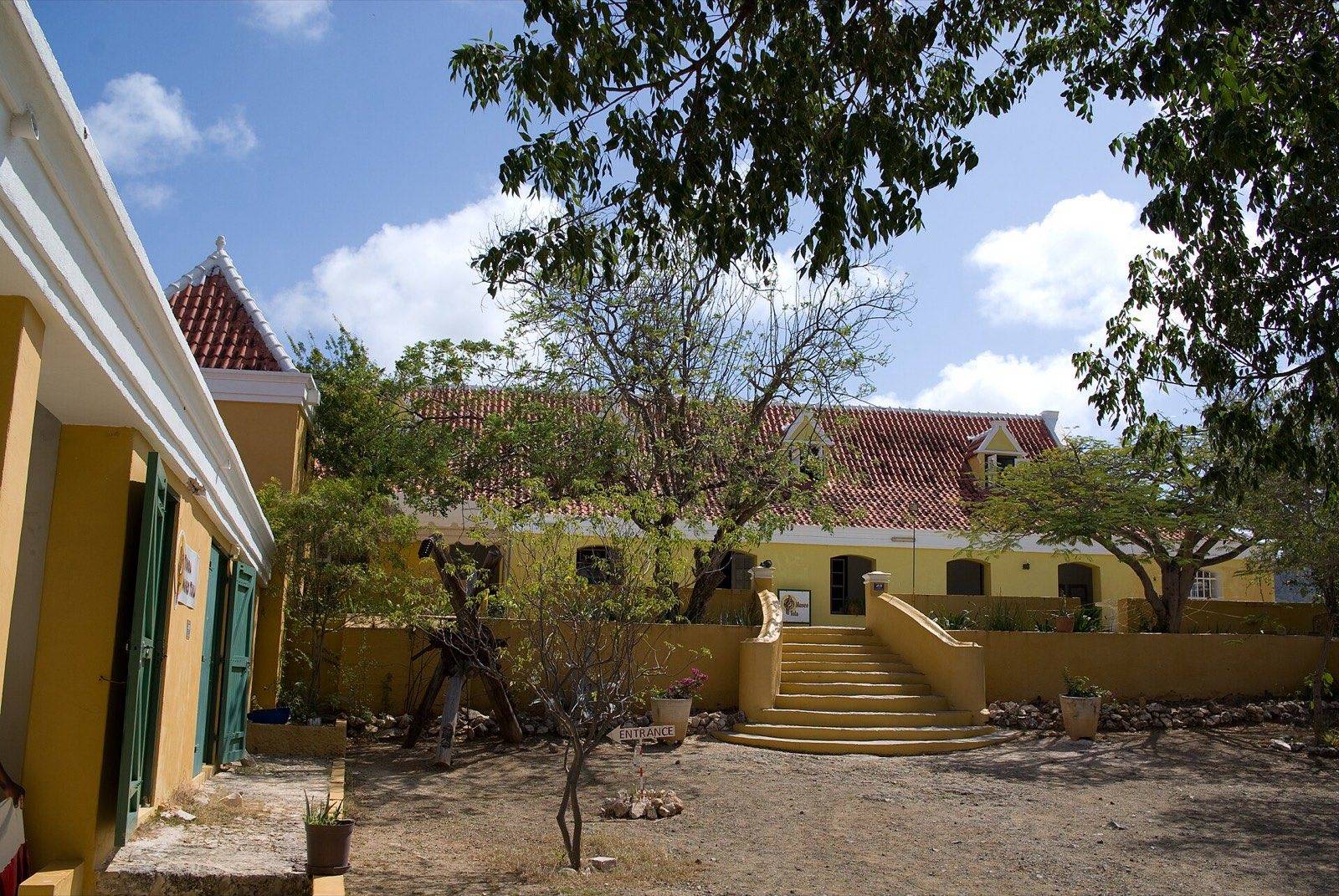
The landhuis is the country house: estate architecture standing on hilltops across the island, built to catch the wind and watch the land. Many are museums or restaurants now. Landhuis Kenepa in the west, overlooking the island's most famous coves, preserves the memory of the 1795 uprising led by Tula, the defining story of the island's conscience. A handful of landhuizen take overnight guests, and staying in one means verandas, birdsong, dark skies, and a rental car as a condition of life; it pairs naturally with the wild end of the island covered in our Westpunt guide.
The townhouse is the city form: merchant and craftsman houses in the UNESCO quarters, restored into small hotels where you walk to everything, starting with the self-guided loop of both banks.
| Landhuis stay | Townhouse stay | |
|---|---|---|
| Setting | Countryside hilltops | UNESCO city streets |
| Mornings | Verandas and birdsong | Bakeries and bridge crossings |
| Evenings | Stars and silence | Dinner rows on foot |
| Car | Essential, daily | One or two days, for beaches |
| Suits | Second visits, romantics, writers | First visits, walkers, food-led travelers |
IV.The honest trade-offs
Heritage buildings ask things of their guests, and it is better to know them in advance.
Stairs, not elevators: monument structures rarely permit shafts, so your luggage climbs the same steps sailors and merchants did. Floors slope and speak; wood that has worked for a century announces footsteps. Windows are original, so rooms vary in light. Sound carries differently than in poured concrete. And no two rooms match, which means the room you get is not the average of the photos but one specific, particular place.
A chain promises that every room is identical. A monument promises that no room like yours exists anywhere else.
If uniformity is what lets you relax, that is a legitimate preference: book modern, and visit the monuments by day. But if you have ever loved an old house, you already know which side of this trade you are on.
V.Questions to ask before you book
Five minutes of asking saves a week of wishing. Put these to any heritage hotel:
- Which floor is the room on, and how many stairs in total? Include the front steps; monument thresholds start climbing at the sidewalk.
- What is above and below the room? A gallery below means morning life; a bar below means midnight life.
- Does the room have a balcony, gallery, or shuttered windows on two sides? Cross-breeze is the island's oldest luxury.
- How is the air handled? Careful retrofits cool quietly; careless ones rattle. Ask, and listen to how precisely they answer.
- What was the building before, and when was it restored? The quality of the story predicts the quality of the restoration. Pride is specific; vagueness is a warning.
VI.Otrobanda's restoration story
No quarter tells the heritage story better than the west bank. For a long stretch of living memory, Otrobanda was the side people wrote off: grand houses subdivided and sagging, courtyards closed, paint surrendering to salt. The revival came block by block rather than all at once. The werfs and alleys reopened, facades took back their colors under Monumentenzorg's standards, murals spread through the side streets, as our guide to the street art of Otrobanda and Scharloo maps, and monument houses returned to use as cafes, museums, and small hotels. Our own 1892 building on the main street is one thread of that larger fabric, restored to do again what it was built to do: hold life above a busy street.
That is the real argument for sleeping historic on this island. Every restored room keeps a building alive, and every guest inside it is part of the reason the quarter glows instead of crumbles. Choose your monument, and the practical question of which street to sleep on is answered in our guide to staying in Otrobanda. The walls have been waiting longer than you have.
Questions travelers ask
Straight answers from the front desk.
What does monument status mean for a hotel in Curaçao?
What is a landhuis in Curaçao?
Do historic hotels in Curaçao have elevators?
Are heritage hotels in Curaçao comfortable?
How can I tell if a hotel is really a restored monument?
Keep exploring
Curaçao culture: language, memory, music, and how to be a good guest
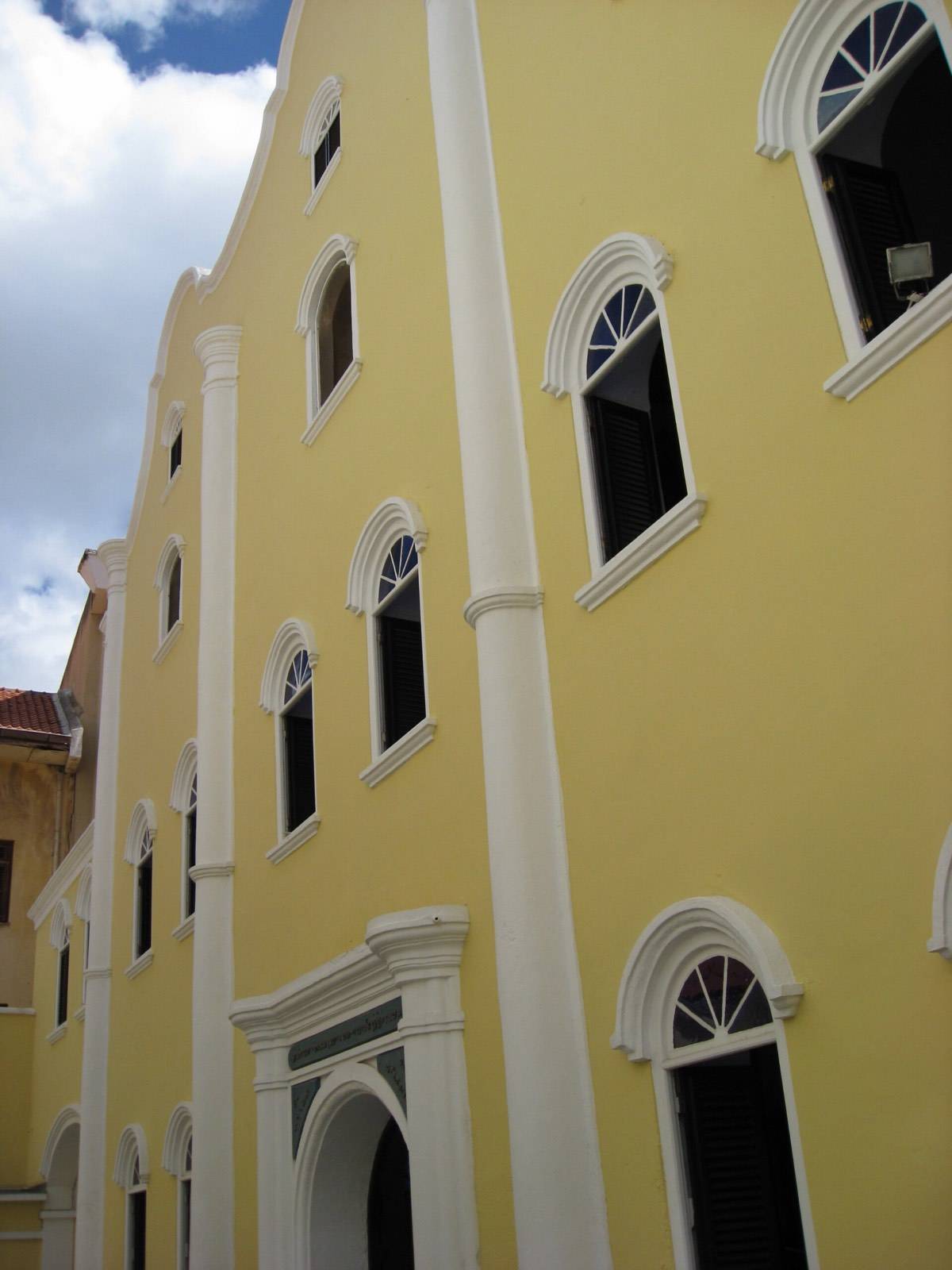
A guide to Curaçao culture: Papiamentu, the sand-floor synagogue, the landhuizen and the memory of Tula…
Boutique hotels in Curaçao: why small is the native form here
Boutique hotels in Curaçao: why small monument stays beat big resorts here, what to look for when booking…
Where to stay in Curaçao: an honest neighborhood guide
Where to stay in Curaçao, honestly compared: Otrobanda, Punda, Pietermaai, Scharloo, Jan Thiel, Mambo Beach…
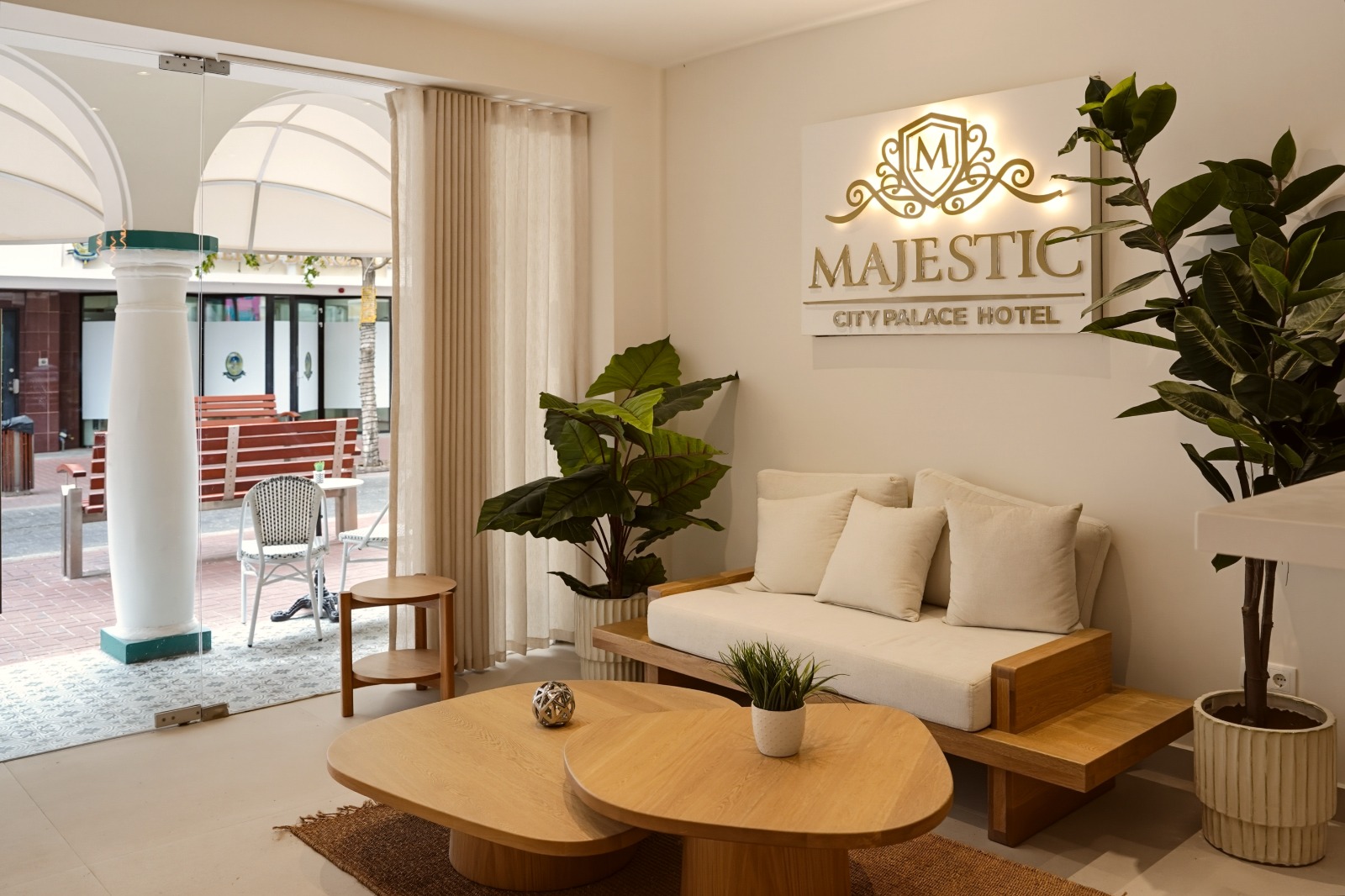
A restored 1892 monument, steps from everything in this guide.
Eighteen boutique rooms across five categories on Breedestraat, Punda. Signature balconies over the main street, and the Van Gogh café pouring espresso downstairs. Reserve your room on Airbnb in a few taps.