
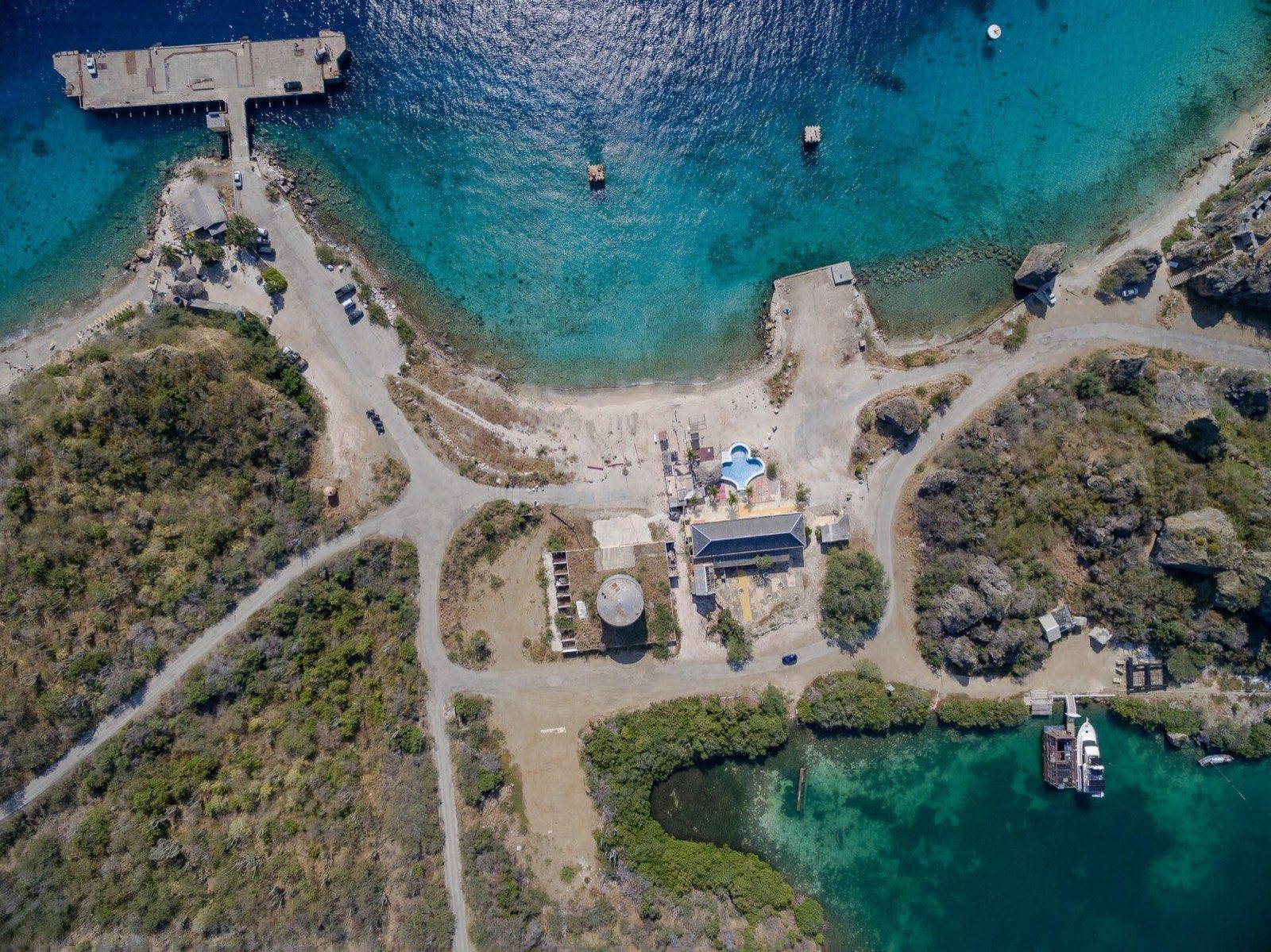
Most island comparisons are sibling rivalries. This one is not. Curaçao and St Maarten sit at opposite ends of the Caribbean, more than a sea apart in geography and further apart in personality, and the traveler torn between them is usually weighing two different ideas of a vacation rather than two versions of the same one. St Maarten offers compression: two nations, dozens of beaches, and a celebrated food scene folded into one small, busy island. Curaçao offers depth: a UNESCO capital, a coastline of coves, and a position outside the main hurricane belt that changes how confidently you can plan.
We will be straight about where St Maarten wins, because it genuinely wins several rounds. We will also be straight about the one structural difference that no restaurant or beach bar can cook away.
I.The short answer
Choose St Maarten for novelty, variety, and one of the Caribbean's great eating itineraries. Choose Curaçao for culture, calm coves, value, and weather you can book against with confidence. The table holds the detail.
| Dimension | St Maarten | Curaçao |
|---|---|---|
| Beaches | Broad, lively sands: Orient Bay, the jet landings at Maho | Cliff-framed coves: Grote Knip, Cas Abao, Playa Lagun; calmer water |
| Culture and architecture | Two-nation novelty, Marigot and Philipsburg; storm-rebuilt fabric | UNESCO Willemstad: four historic quarters, the 1888 pontoon bridge |
| Food scene | A true dining destination: French bistros, creole barbecue | Creole soul: old-market lunches, keshi yena, the Pietermaai dinner row |
| Nightlife | Beach bars, casinos on the Dutch side, late energy | Smaller and more local: Punda Vibes, monument bars, beach clubs |
| Diving and snorkeling | Decent boat diving and offshore islets | Shore-entry reefs, the Tugboat wreck, turtles at Playa Piskado |
| Crowds | Heavy cruise traffic on a small island | Cruise calls absorbed by a larger city; quiet coves beyond |
| Getting around | Compact but congested roads; two-nation loop drive | Walkable capital; rental car for the west-end beaches |
| Typical cost feel | Wide range; French-side dining runs splurgy | Stretches further on rooms, meals, and beach days |
II.Geography first: the hurricane question
Start with the difference that sits underneath everything else. St Maarten lies in the northeastern Caribbean, squarely inside the main hurricane arc, and major storms have rewritten its coastline within living memory; rebuilding is part of the island's rhythm and its people's resilience is real. None of that is a reason to avoid the island. It is a reason to think hard about when you go and what you book.
Curaçao sits in the deep south, roughly 12°N, about 40 miles off the Venezuelan coast, outside the main hurricane belt. Direct hits are rare, trade winds blow nearly year-round, and the rainy season amounts to brief showers clustering late in the year. The practical consequence is freedom: shoulder-season and late-summer trips that feel like a gamble in the northeastern Caribbean are ordinary, excellent travel here. Our guides to where Curaçao is and the best time to visit spell out why the calendar barely matters this far south.
III.Two nations or one UNESCO city
St Maarten's signature trick is genuinely delightful: one small island, often called the smallest inhabited island shared by two nations, split between the French and Dutch crowns for centuries, with no border posts and only a roadside monument to mark the line. You can take a French-side croissant in Marigot, cross to Dutch Philipsburg for duty-free shopping and casinos, and watch jets skim the fence line at Maho Beach before dinner. As a novelty, nothing in the region matches it.
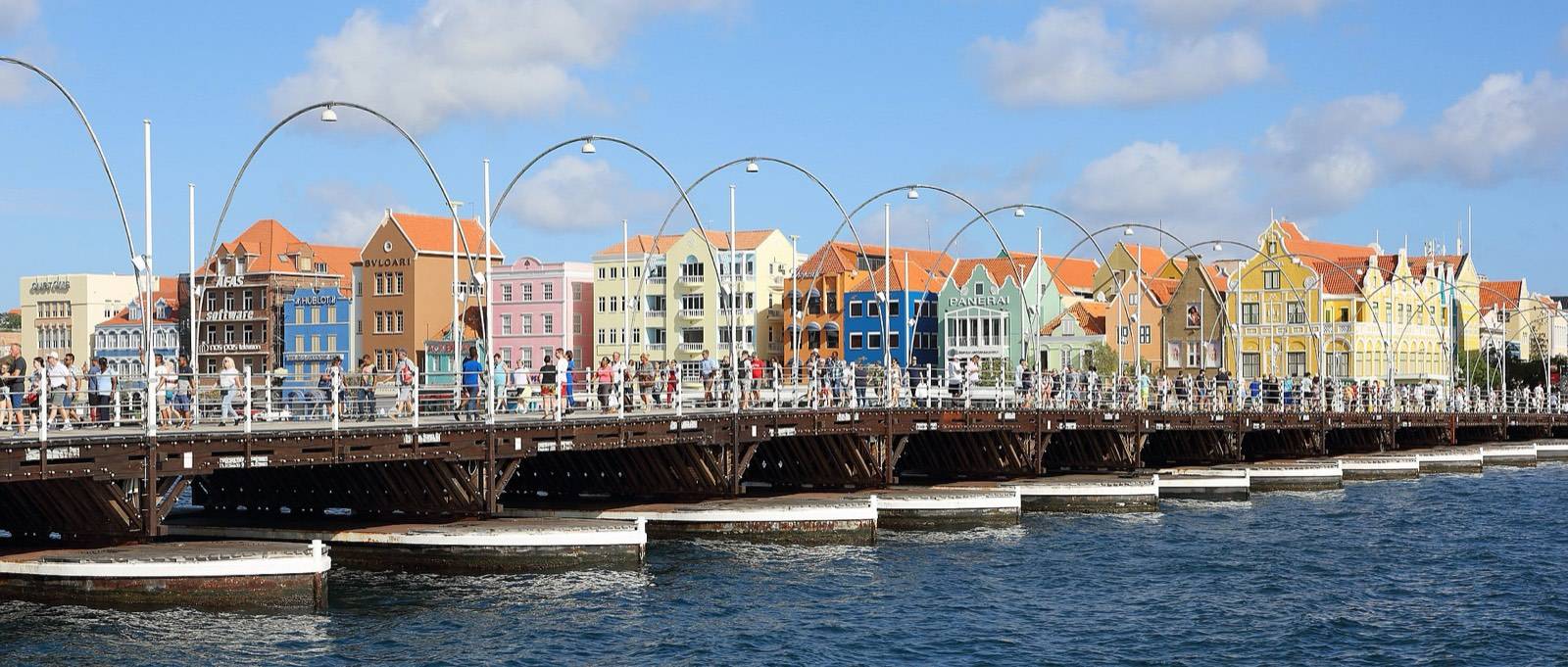
Curaçao answers with depth instead of a border. Willemstad is a UNESCO World Heritage city, inscribed in 1997, and it wears four distinct historic quarters: Punda, founded in 1634; Otrobanda across the water; Pietermaai's restored townhouses; Scharloo's merchant mansions. The Queen Emma Bridge has floated and swung between the banks since 1888, the Mikvé Israel-Emanuel synagogue has kept sand on its floor since its 1732 building rose, and Papiamentu carries the street life. A day in Willemstad is not a photo stop; it is the reason many travelers choose the island.
St Maarten hands you two countries before lunch. Curaçao hands you one city you will still be unpacking long after you fly home.
IV.Beaches and the water
Score the sand by style. St Maarten's beaches are broader, busier, and more social: Orient Bay's long arc of loungers and beach clubs, Maho's surreal jet landings, and dozens of coves and bays packed into a small coastline. For beach-bar energy and variety per mile, it is a strong hand.
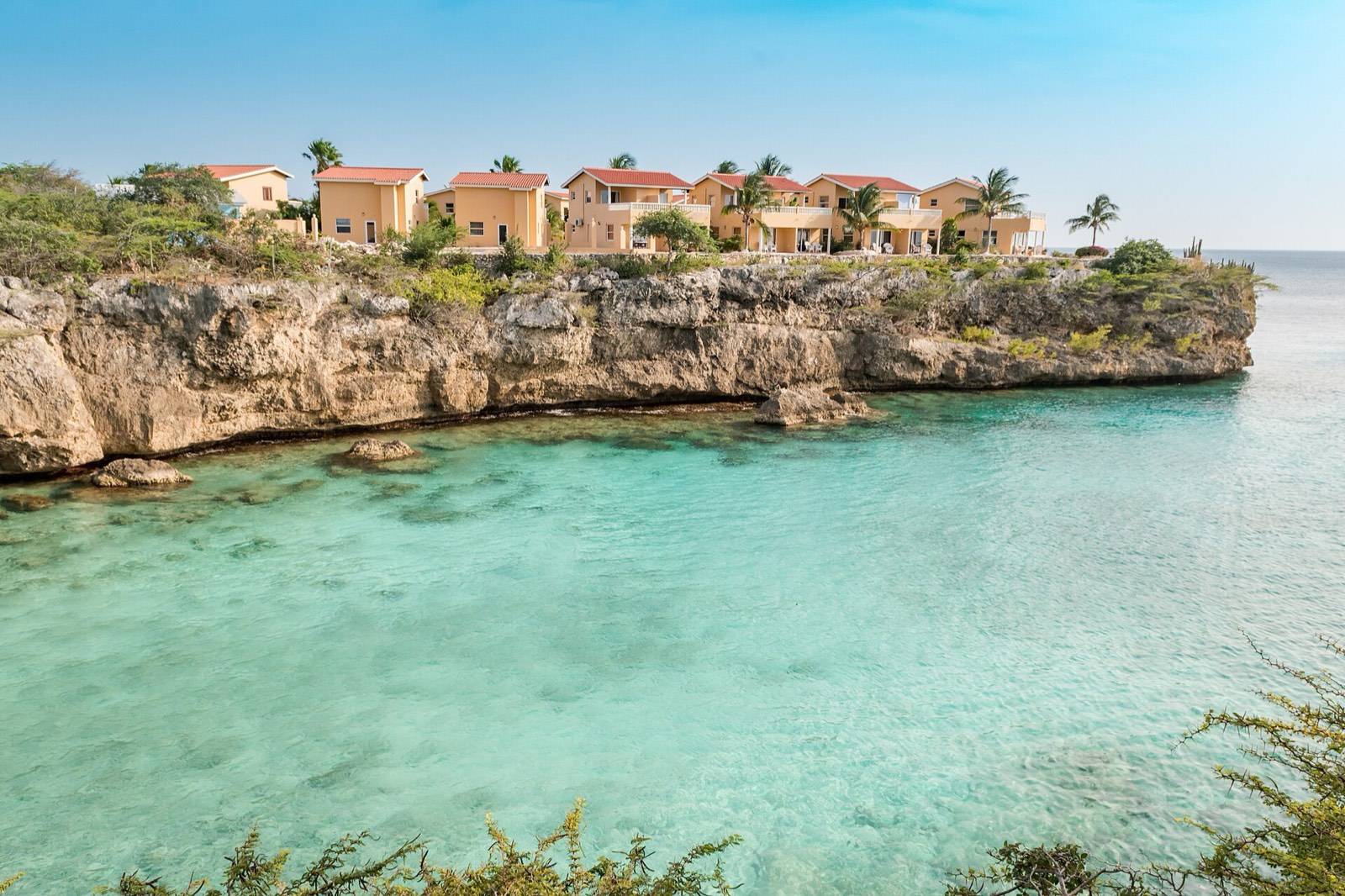
Curaçao's coast deals in theater of a quieter kind. The west end is stitched with cliff-framed coves, Grote Knip, Cas Abao, Playa Lagun, Porto Mari, where the water is calm, the cliffs frame every photograph, and the snorkeling starts at the shoreline. Green sea turtles patrol the pier at Playa Piskado, the Tugboat wreck sits in snorkel depth, and Klein Curaçao waits two hours offshore with a lighthouse and a long white beach. The full ranking lives in our best beaches guide, and the underwater map in the snorkeling guide. If your beach day includes a mask, Curaçao wins this round comfortably; if it includes a DJ, St Maarten does.
V.Food: the closest category
Credit where it is due: St Maarten is a true eating destination. The French side built a reputation around Grand Case, where serious bistros line a village street, and the open-air creole barbecue spots beside them serve some of the best inexpensive plates in the region. Dozens of communities have settled the island and all of them cook. For pure restaurant variety per square mile, St Maarten likely takes the round.
Curaçao counters with food that tells you exactly where you are. Lunch at Plasa Bieu, the old covered market, means stewed goat, fresh catch, and funchi from cooks who have held their stalls for decades. Keshi yena and pastechi carry the island's layered history, the Floating Market moors Venezuelan produce boats along the Punda waterfront, and Pietermaai's dinner row brings the polish. The dishes and where to chase them are mapped in our Curaçao food guide. Variety leans St Maarten; sense of place, and the bill at the end, lean Curaçao.
VI.Crowds, cruise ships, and the cost feel
Both islands are cruise ports, but they absorb the ships differently. St Maarten is one of the region's major cruise hubs, and when several ships land at once, Philipsburg's Front Street and the popular beaches swell hard, because the island is small and the visitors concentrate. Willemstad receives ships too, yet it spreads them across four historic quarters and a much larger island; by late afternoon the city exhales, and the west-end coves rarely notice the ships at all.
On cost, both islands span a wide range, but the patterns differ. St Maarten's French-side dining invites splurges, and its high season prices with northeastern-Caribbean confidence. Curaçao's spread is gentler: monument-quarter guesthouses, free beaches alongside fee beaches, and old-market lunches that cost roughly what a resort cocktail does elsewhere. Travelers consistently report their money going further in the south.
VII.Choose St Maarten if, choose Curaçao if
Choose St Maarten if:
- The two-nations-in-a-day novelty genuinely excites you, croissants on one side and casinos on the other.
- Restaurant variety is the heart of your trip, and a French bistro village sounds like a destination in itself.
- You want big, social, beach-bar beaches, and the Maho jet photos are on your list.
- Your dates fall in winter or spring, when the hurricane-belt difference matters least.
Choose Curaçao if:
- You want a UNESCO capital with real city life, not a port town that exists for the ships.
- Calm coves, turtle snorkels, and shore-entry reefs beat beach-club energy.
- You are traveling in the late-summer months and want geography on your side.
- Value matters, and you would rather spend the difference on a boat to Klein Curaçao and a long Pietermaai dinner.
Two islands, two honest pitches. St Maarten compresses the Caribbean into a single weekend of variety. Curaçao slows it down into something you inhabit. We know which one we chose, and we know plenty of travelers for whom the other answer is the right one.
Questions travelers ask
Straight answers from the front desk.
Is Curaçao or St Maarten better?
Is St Maarten in the hurricane belt?
Which has better beaches, Curaçao or St Maarten?
Which island has better food?
Is Curaçao less crowded than St Maarten?
Keep exploring
The best time to visit Curaçao: an honest month-by-month guide
When is the best time to visit Curaçao? A month-by-month local guide to seasons, crowds, prices and Carnival…
Where is Curaçao? Geography, time zone and how to get here
Where is Curaçao located? Southern Caribbean geography explained: the ABC islands, 40 miles off Venezuela…
Curaçao vs Aruba: an honest comparison from people who chose one
Curaçao vs Aruba, compared honestly: beaches, culture, nightlife, costs, crowds, and weather, plus a clear…
A restored 1892 monument, steps from everything in this guide.
Eighteen boutique rooms across five categories on Breedestraat, Punda. Signature balconies over the main street, and the Van Gogh café pouring espresso downstairs. Reserve your room on Airbnb in a few taps.