
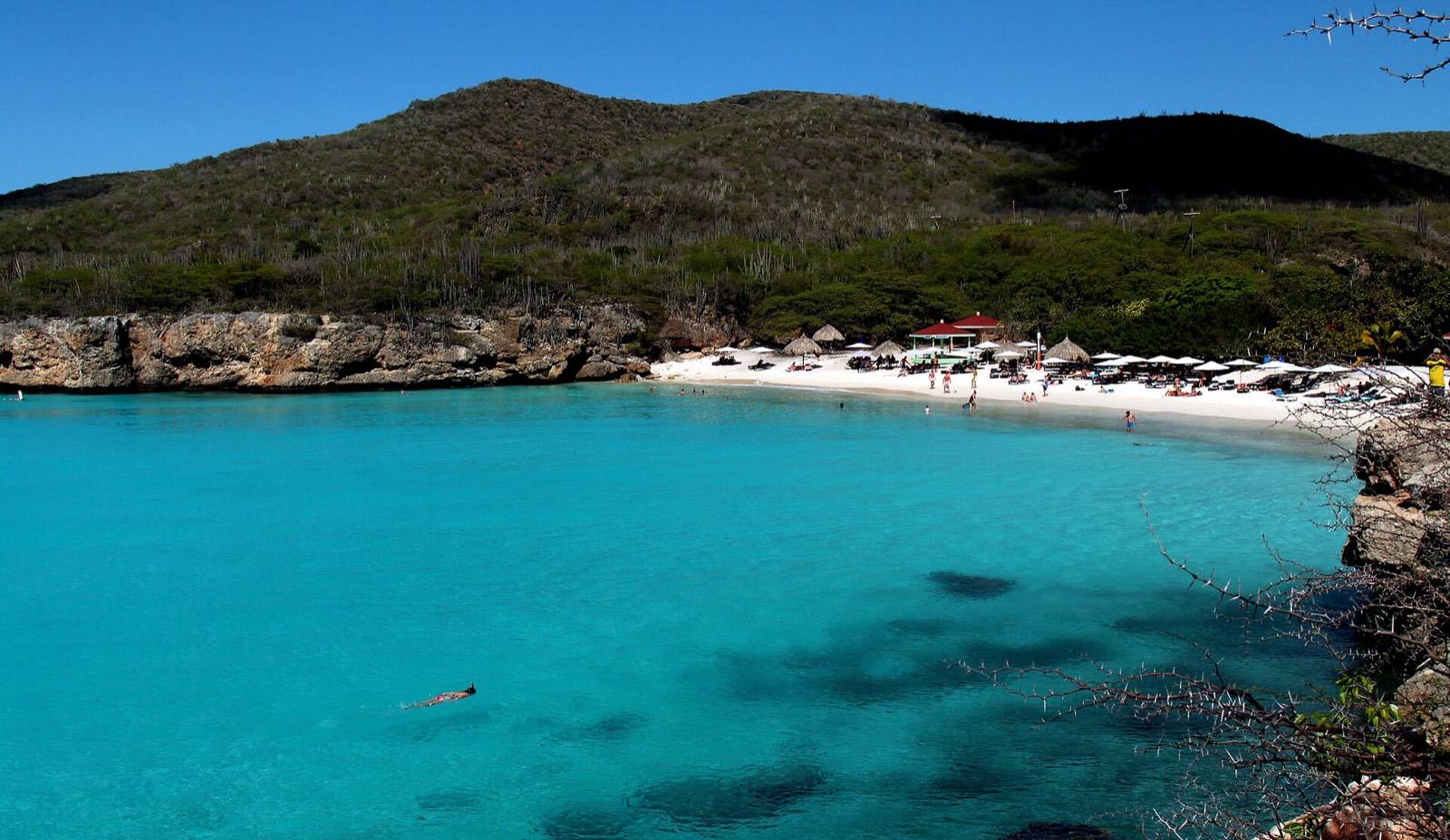
The two most famous islands of the southern Caribbean sit a short flight apart, share Dutch roots, year-round trade winds, and an address outside the main hurricane belt, and still manage to offer two completely different vacations. We run a small hotel inside Willemstad's UNESCO quarter, so you might reasonably expect a sales pitch here. You will not get one. Aruba does several things better than Curaçao does, and pretending otherwise would make every other paragraph on this page worthless.
What follows is the comparison we give guests at the desk when they ask, usually a little sheepishly, whether they picked the right island. The short version: most of them did, because the two islands sort travelers neatly. The long version is below, category by category, with the concessions left in.
I.The short answer
Aruba is the easier island. Curaçao is the more interesting one. Aruba refined the Caribbean beach vacation into something nearly frictionless: long, soft strips of sand with resorts standing directly behind them, a deep bench of polished restaurants, casinos for the evening, and one of the strongest networks of nonstop flights in the region. You land, you unpack, you walk onto the sand, and the island asks nothing further of you.
Curaçao kept being a country in the meantime. It is the largest and most populous of the ABC islands, with a real capital city holding UNESCO World Heritage status, a working harbor that splits the old town in two, a creole food culture, and a leeward coast stitched with cliff-framed coves that ask a little effort and repay it with room to breathe.
| Dimension | Aruba | Curaçao |
|---|---|---|
| Beaches | Long, soft resort strips: Eagle and Palm Beach, calm water, hotels on the sand | Dozens of cliff-framed coves on the west end; drive to them, snorkel from them |
| Culture and architecture | Pleasant but resort-led; Oranjestad empties with the cruise ships | UNESCO Willemstad: four historic quarters, a floating bridge, a living capital |
| Food scene | Broad, international, polished; excellent resort dining | Creole soul: old-market lunches, keshi yena, the Pietermaai dinner row |
| Nightlife | Casinos, late beach bars, a high-rise strip that stays awake | Smaller and more local: Pietermaai bars, Thursday street parties in Punda |
| Diving and snorkeling | A famous wreck snorkel and catamaran sails; fewer shore entries | Shore-entry reefs, the Tugboat wreck, turtles at Playa Piskado, Klein Curaçao |
| Crowds | Busy in every season; legendary repeat-visitor culture | Lively near the cruise terminal by day, quiet coves and quiet evenings |
| Getting around | Resort strip walkable; taxis everywhere; car optional | Capital walkable; rental car needed for the west-end beaches |
| Typical cost feel | Higher across the board, highest in season | Stretches further on rooms, meals, and beach days |
Every row above deserves its caveats, so take the categories one at a time.
II.Beaches: two different ideas of sand
Concede the obvious first: if your dream beach is long, broad, powder-soft, and reachable barefoot from your room, Aruba wins, and it is not close. Eagle Beach and Palm Beach are genuinely spectacular ribbons of white sand with calm, swimmable water and every service a beach day could want. The famous divi-divi trees lean over the sand, the loungers multiply by mid-morning, and you never have to think about logistics. It is the finest resort sand in the Dutch Caribbean, and arguing otherwise would be vanity.
Curaçao plays a different game. The island runs about 38 miles end to end, and its sheltered leeward coast holds coves rather than strips: Grote Knip glowing between its cliffs, Cas Abao with its beach bar and easy entry, Playa Lagun where turtles graze a fishermen's inlet, Porto Mari with its double reef a short swim out. You drive to them, sometimes forty-five minutes from town. You occasionally pay a small entry fee. You will be glad of water shoes at several of the pebbled entries. In exchange you get variety, drama, and the realistic possibility of a near-empty cove on a weekday morning. Our ranking of the best beaches in Curaçao maps the full coastline.
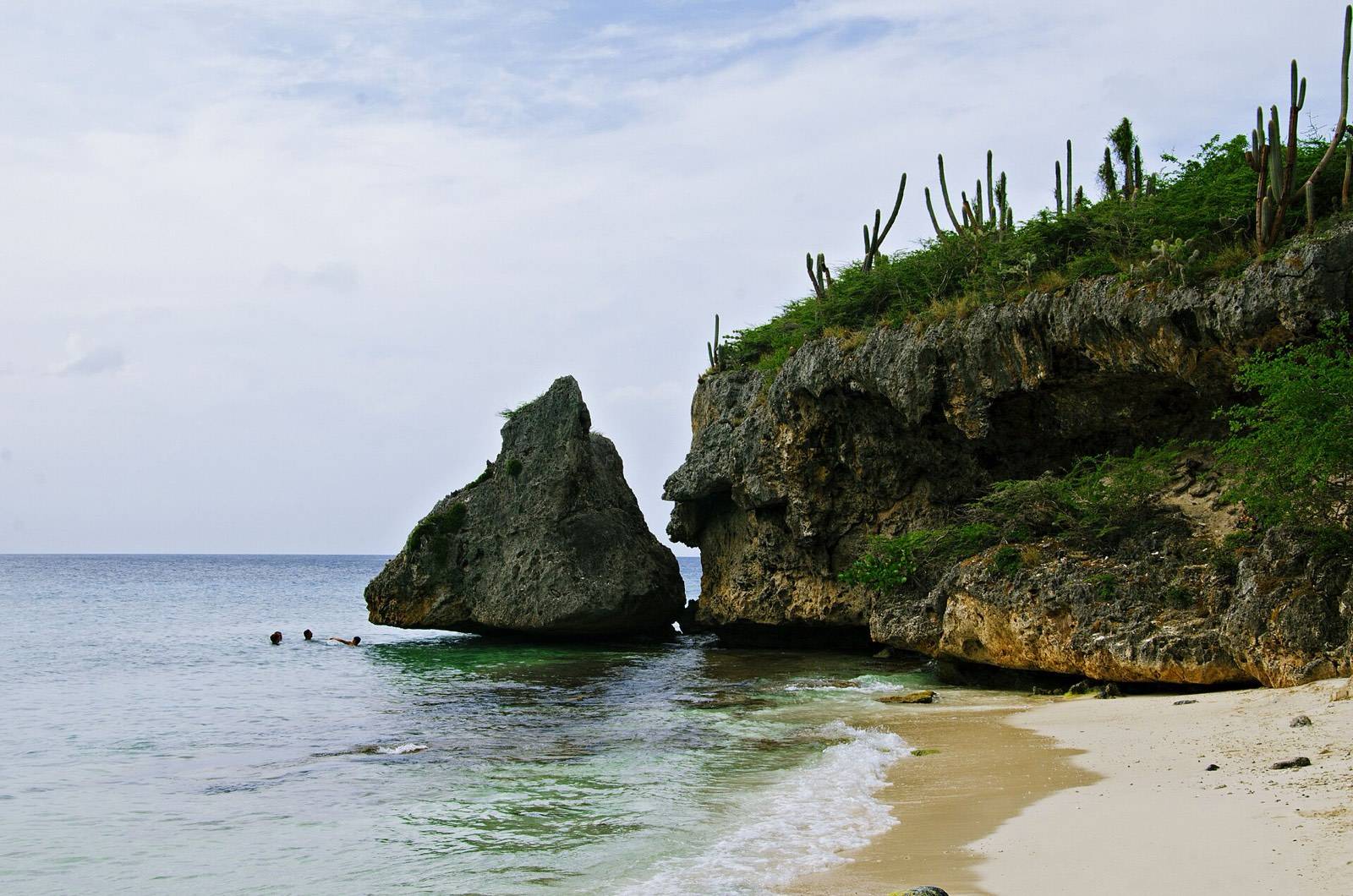
So the beach verdict is a question rather than an answer. Do you want one perfect beach every day of the trip, or a different cove every morning? Both answers are correct. They just belong to different islands.
III.Culture and architecture: no contest
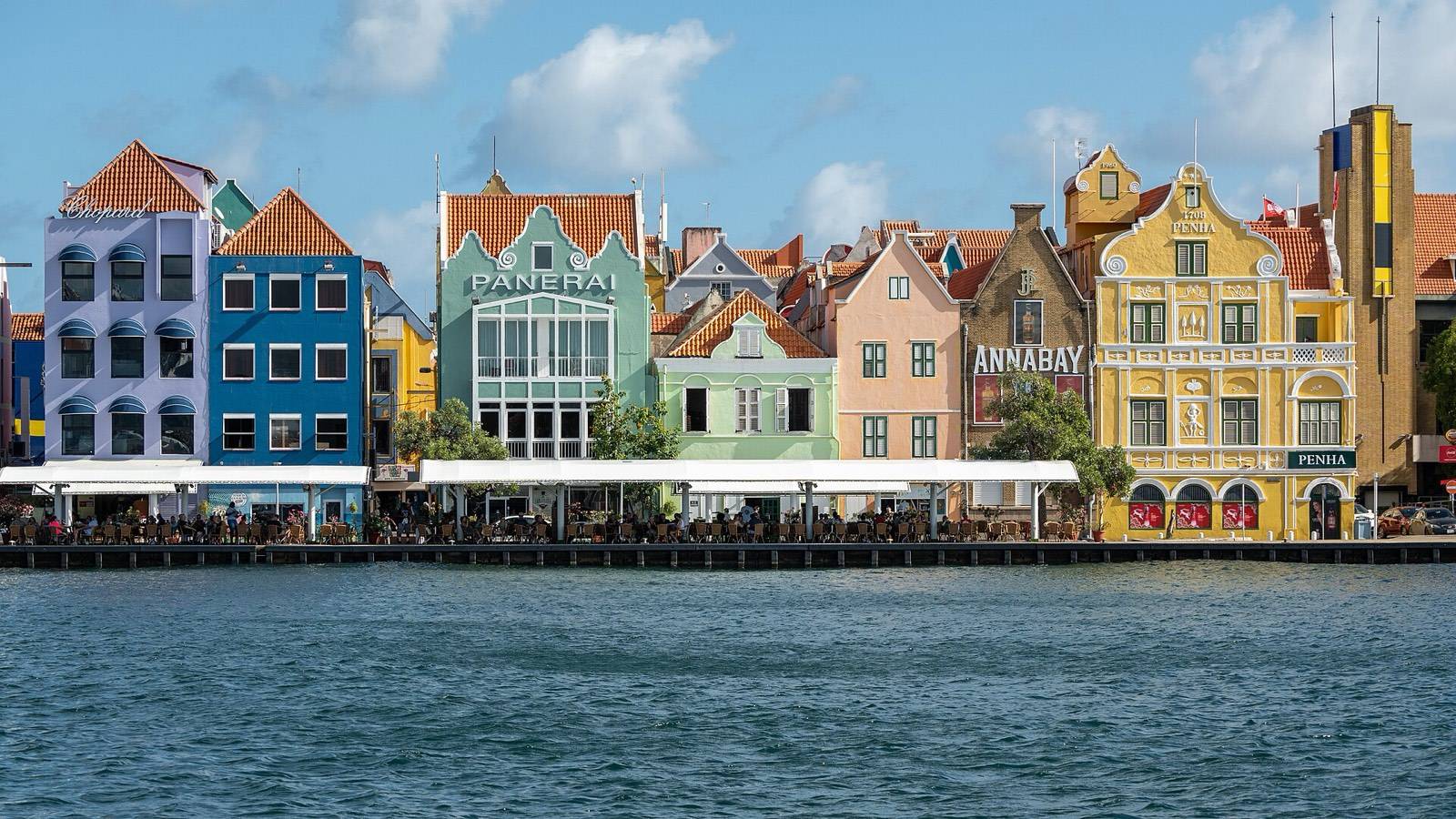
Here the comparison tilts hard, and honest Aruba regulars say the same. Oranjestad is tidy and pleasant, with a row of candy-colored Dutch facades near the cruise terminal, but it is essentially a shopping town that exhales when the ships leave. Willemstad is a capital. Its four historic quarters, Punda, Otrobanda, Pietermaai, and Scharloo, together form a UNESCO World Heritage Site inscribed in 1997, and they did not earn the listing for being photogenic. Punda was founded in 1634. The Mikvé Israel-Emanuel synagogue has held services on its sand floor since its 1732 building rose. The Queen Emma Bridge has swung open for harbor traffic since 1888. Papiamentu, the island's creole language, hums underneath all of it.
Aruba perfected the vacation. Curaçao never stopped being a place, and you can feel the difference within an hour of landing.
The difference is not merely architectural. Willemstad is lived in. Schoolchildren cross the pontoon bridge at sunrise, the Floating Market sells produce from moored Venezuelan boats as it has for generations, and the murals of Otrobanda and Scharloo keep changing because local artists keep painting them. Guests at our 1892 monument step out of the lobby and into all of it without a taxi. If streets that carry history matter to your trip, this category alone settles the question.
IV.Food, drink, and nightlife
Call this one a split decision. Aruba's dining scene is broader, more international, and more polished: serious steak and seafood rooms, toes-in-sand dinners staged to the minute, and service trained on a clientele that returns every year. Its nightlife is simply bigger. Casinos, late beach bars, live music on the strip: if your evenings need volume and velvet, Aruba delivers them without effort.
Curaçao answers with soul. Lunch at Plasa Bieu, the old covered market in Punda, means stewed goat, fresh catch, and funchi served by cooks who have run the same stalls for decades. Keshi yena and pastechi tell the island's history in food, and the Curaçao food guide walks through every dish worth chasing. Evenings mean the restored townhouses of Pietermaai, rum bars inside old monuments, and on Thursdays the street celebration of Punda Vibes, when the galleries open late and the bridge glows over the harbor. It is a smaller scene than Aruba's and a far more local one. You will hear Papiamentu at the next table, not just at the welcome desk.
V.Under the water
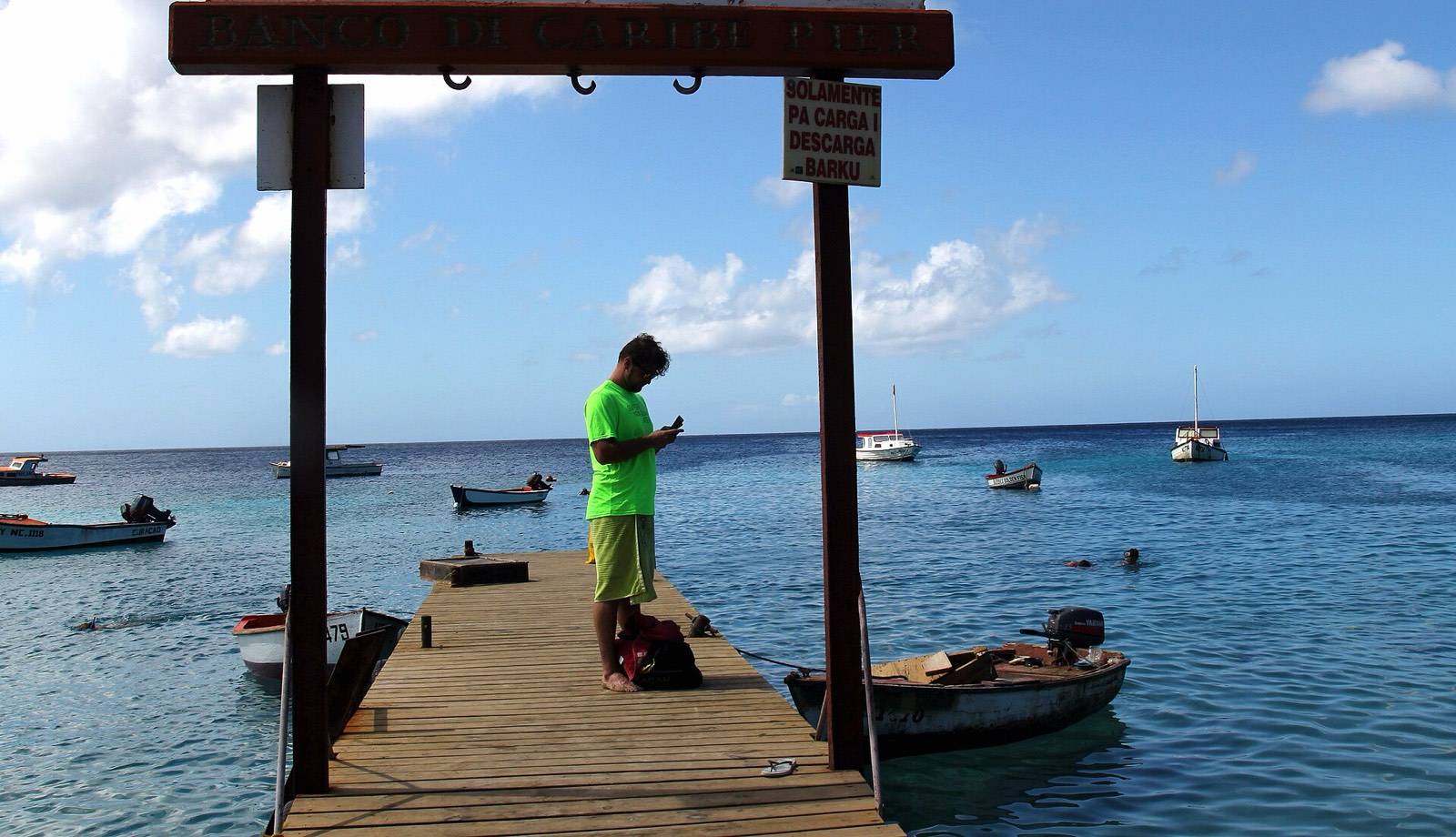
Back to a clear winner, this time in the other direction. Curaçao's snorkeling and diving comfortably outclass its more famous neighbor. The leeward coast offers true shore entries: the wreck at Tugboat Beach sits in shallow water a swim from the sand, green sea turtles patrol the pier at Playa Piskado where fishermen clean their catch, and the reef begins where the swimming ends at half a dozen west-end coves. Add Klein Curaçao, the uninhabited islet about two hours offshore with a lighthouse, a long white beach, and absurdly clear water, and you can fill a week of underwater mornings without repeating yourself. The full map of entries lives in our snorkeling guide.
Aruba is not barren. The Antilla wreck is a deservedly famous snorkel stop, and the catamaran-sail culture is great fun in its own right. But the island's flatter, more exposed coastline simply holds less reef within reach of shore. If the underwater hours are the point of your trip, Aruba should not make your shortlist at all, and the sharper comparison for you is Curaçao vs Bonaire.
VI.Crowds, costs, and getting around
Aruba runs fuller. Its repeat-visitor culture is legendary, its hotel strip is dense, and its flight network keeps it busy in every season. That density buys real convenience: taxis on every corner, tours sold from every lobby, and a resort strip walkable enough that many visitors never rent a car. Aruba also leans into large all-inclusive resorts and timeshares, which suits travelers who want the arithmetic finished before the plane lands.
Curaçao spreads a similar energy across a much larger island, so outside the cruise hours in Punda it rarely feels thick. The trade-off is logistics: you will want a rental car for beach days, because the best coves sit well west of the capital, and driving on the right with a US license makes that painless. Cost is where Curaçao quietly wins. Without quoting numbers that would age badly, the pattern our guests describe is consistent: rooms, meals, and beach days stretch further here, and the gap widens the longer the stay.
VII.Weather and the hurricane question
Score this one a tie, and a happy one. Both islands sit in the deep southern Caribbean near the Venezuelan coast, outside the main hurricane belt, a structural advantage most of the Caribbean cannot claim. Trade winds blow nearly year-round on both, air temperatures hold in the 80s, and the sea stays close to 80°F in every month. Aruba is a touch flatter and drier; Curaçao's rainy-season showers cluster late in the year and pass in minutes rather than days. Neither island has a bad month, which changes how you should plan: chase fares and crowd patterns rather than forecasts. Our guide to the best time to visit Curaçao applies, with light edits, to its neighbor too.
VIII.Choose Aruba if, choose Curaçao if
Choose Aruba if:
- The beach is the vacation, and you want long, soft, walk-from-your-room sand every single day.
- You want resort infrastructure at full polish: swim-up bars, casinos, marquee dining, taxis on demand.
- You prefer everything prearranged, all-inclusive packages included, with no rental car and no surprises.
- Nightlife matters to you, and you measure it in venues rather than atmosphere.
Choose Curaçao if:
- You want a real city with UNESCO streets, working markets, and a culture that carries on whether or not you visit.
- Cove beaches, shore snorkeling, and turtles appeal more than one long mile of loungers.
- Value matters, and you would rather spend the difference on a Klein Curaçao boat and a Pietermaai dinner.
- You like your evenings local: a Thursday street party, a rum bar in a monument, a floating bridge lit up over the harbor.
There is no wrong island in this comparison, only wrong matches. Aruba sends its guests home rested. Kòrsou sends them home with stories, and, more often than we can politely say, with plans to come back.
Questions travelers ask
Straight answers from the front desk.
Which is better, Curaçao or Aruba?
Is Curaçao cheaper than Aruba?
Does Aruba or Curaçao have better beaches?
Is Aruba or Curaçao better for nightlife?
Can you visit both Aruba and Curaçao in one trip?
Are Aruba and Curaçao outside the hurricane belt?
Keep exploring
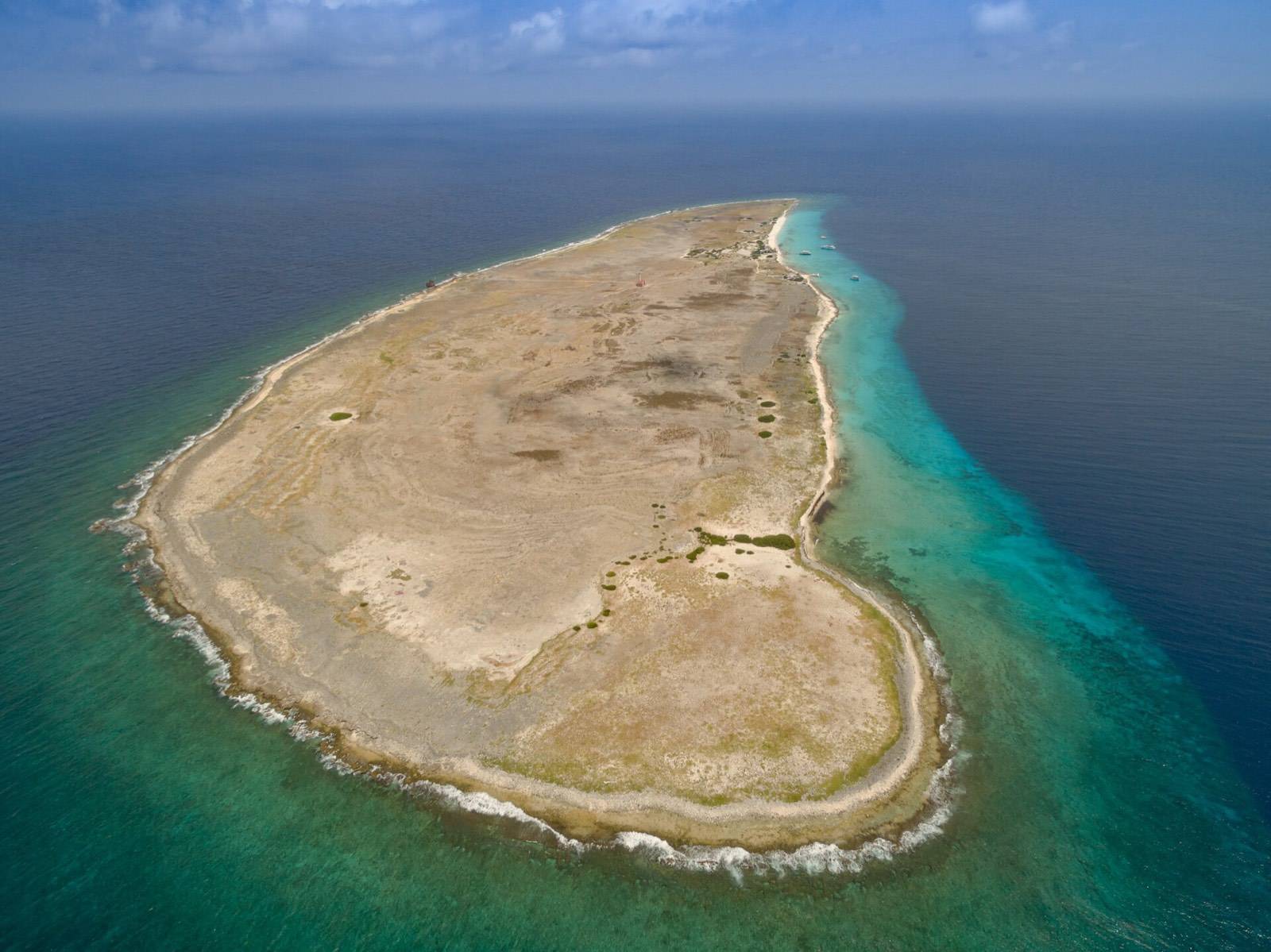
Aruba vs Bonaire vs Curaçao: which ABC island is yours?
Aruba, Bonaire, or Curaçao? A clear decision guide to the ABC islands by traveler type, with one honest…
Curaçao vs Bonaire: the honest comparison for divers and everyone else
Curaçao vs Bonaire compared: shore diving, snorkeling, beaches, city life, flights, and costs. An honest…
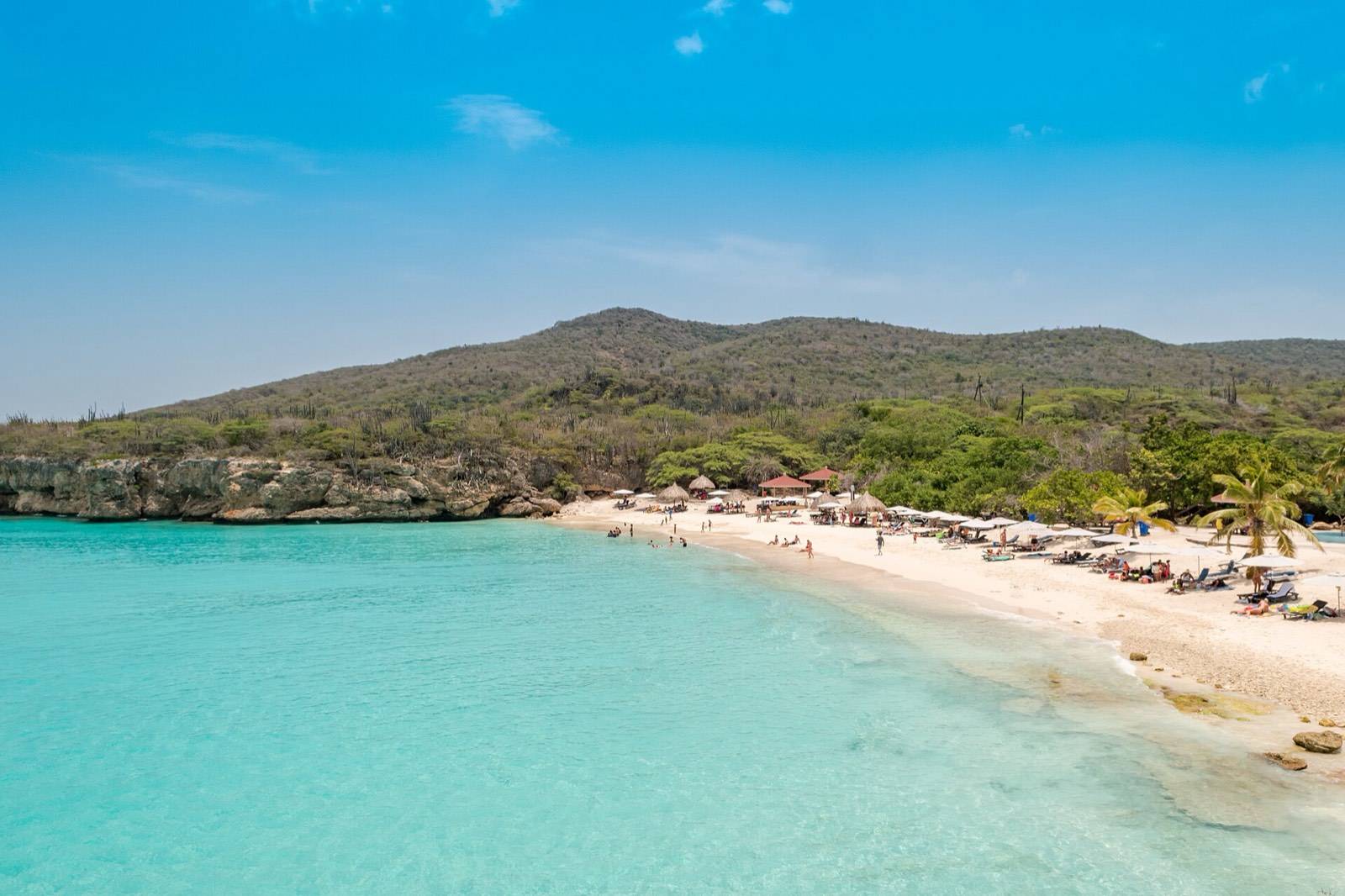
The best beaches in Curaçao: 15 coves and beach clubs, honestly ranked
The best beaches in Curaçao, ranked by a local concierge: west-end coves, calm family bays, free entries vs…
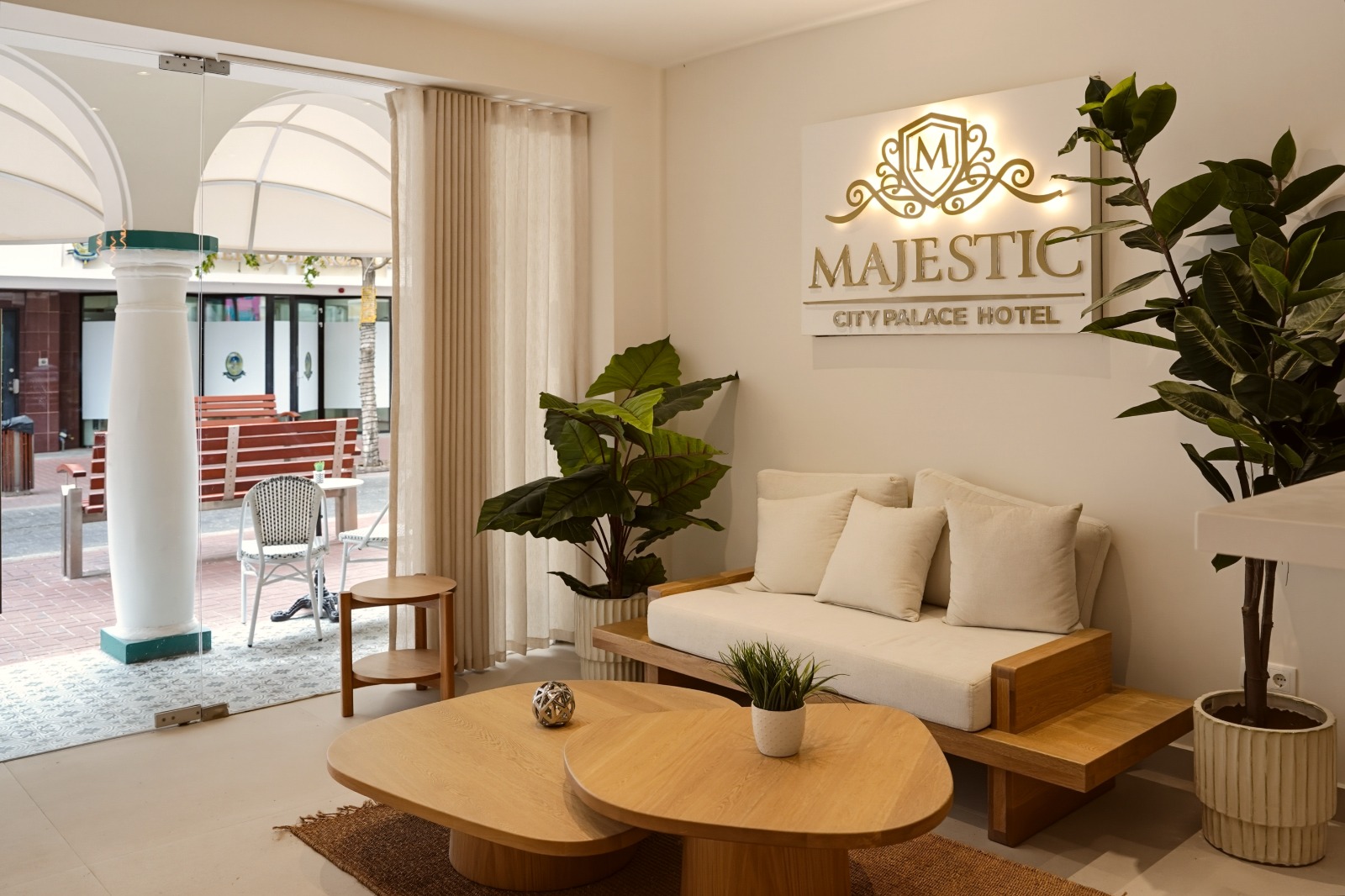
A restored 1892 monument, steps from everything in this guide.
Eighteen boutique rooms across five categories on Breedestraat, Punda. Signature balconies over the main street, and the Van Gogh café pouring espresso downstairs. Reserve your room on Airbnb in a few taps.